
How Long Do Solar Inverters Last? The Truth Most Solar Companies Won't Tell You
When investing in a solar energy system, most people focus on solar panels. However, one of the most important components of any solar installation is the inverter.
Solar panels often come with warranties of 25 years or more, but what about the inverter?
How long do solar inverters last? And more importantly, how can you extend their lifespan and avoid costly replacements?
In this guide, we'll explore the expected lifespan of different inverter types, the factors that affect longevity, and how modern hybrid solar inverter technology is changing the future of solar energy storage.
What Does a Solar Inverter Actually Do?
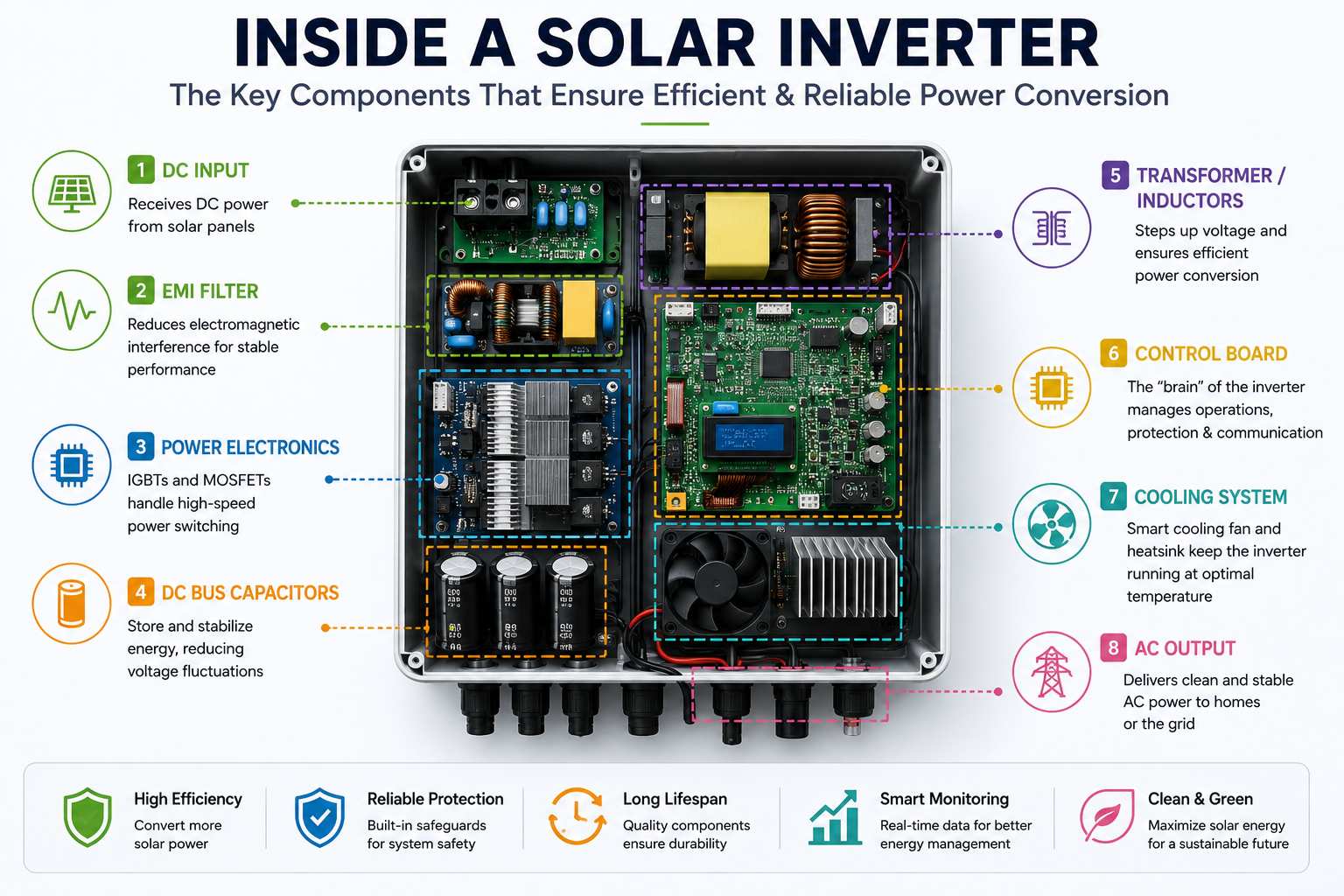
A solar inverter converts the direct current (DC) electricity generated by solar panels into alternating current (AC) electricity that powers homes and businesses.
Without an inverter, solar panels cannot provide usable electricity for most appliances and equipment.
Today's advanced solar inverter systems can also provide:
As solar technology evolves, the inverter has become the control center of modern solar energy systems.
How Long Do Solar Inverters Typically Last?
The lifespan of a solar inverter depends on several factors, including technology type, operating environment, installation quality, and maintenance practices.
String Inverters
Traditional string inverters generally last:
Hybrid Solar Inverters
Modern hybrid solar inverters typically last:
Microinverters
Microinverters can last:
Why Do Some Solar Inverters Fail Earlier Than Others?
Not all solar inverters age at the same rate.Several factors can significantly impact inverter longevity.
Heat and Ventilation
Excessive heat is one of the primary causes of inverter failure.Poor airflow can accelerate the aging of electronic components such as capacitors and power modules.Installing the inverter in a shaded and well ventilated location can improve long term reliability.
Environmental Conditions
Dust, humidity, salt exposure, and harsh weather conditions can increase wear on inverter components.Choosing an inverter with a high protection rating such as IP65 is especially important for outdoor installations.
Electrical Stress
Voltage fluctuations, grid instability, and improper system sizing can place additional strain on inverter electronics.Professional system design helps ensure optimal performance and extended lifespan.
How Can You Extend the Life of Your Solar Inverter?
Fortunately, several best practices can help maximize inverter lifespan.
Invest in High Quality Equipment
Premium solar inverter systems often feature superior cooling designs, advanced electronics, and higher quality components.Although the initial investment may be higher, long term reliability is typically better.
Perform Routine Maintenance
Regular maintenance can help identify potential issues early.
Recommended maintenance includes:
Proper System Design
Correct inverter sizing reduces operational stress and improves efficiency.
Working with experienced solar professionals helps ensure the system is designed for long term success.
Hybrid Solar Inverter VS Traditional Inverter
Many homeowners and businesses are now choosing hybrid solar inverter solutions.
Why?
Because hybrid inverters combine solar generation and battery storage into one intelligent system.
| Feature | Traditional Inverter | Hybrid Solar Inverter |
|---|---|---|
| Battery Integration | No | Yes |
| Backup Power | Limited | Yes |
| Energy Management | Basic | Advanced |
| Smart Monitoring | Standard | Advanced |
| Future Expansion | Limited | Excellent |
As energy storage becomes increasingly important, hybrid inverters are rapidly becoming the preferred solution.
When Should You Replace a Solar Inverter?
Even the best inverter will eventually reach the end of its useful life.
Common warning signs include:
If your inverter is over 10 years old and showing these symptoms, replacement may be more economical than repeated repairs.
Why Are Hybrid Inverters Becoming the Industry Standard?
The growth of battery storage is transforming the solar industry.
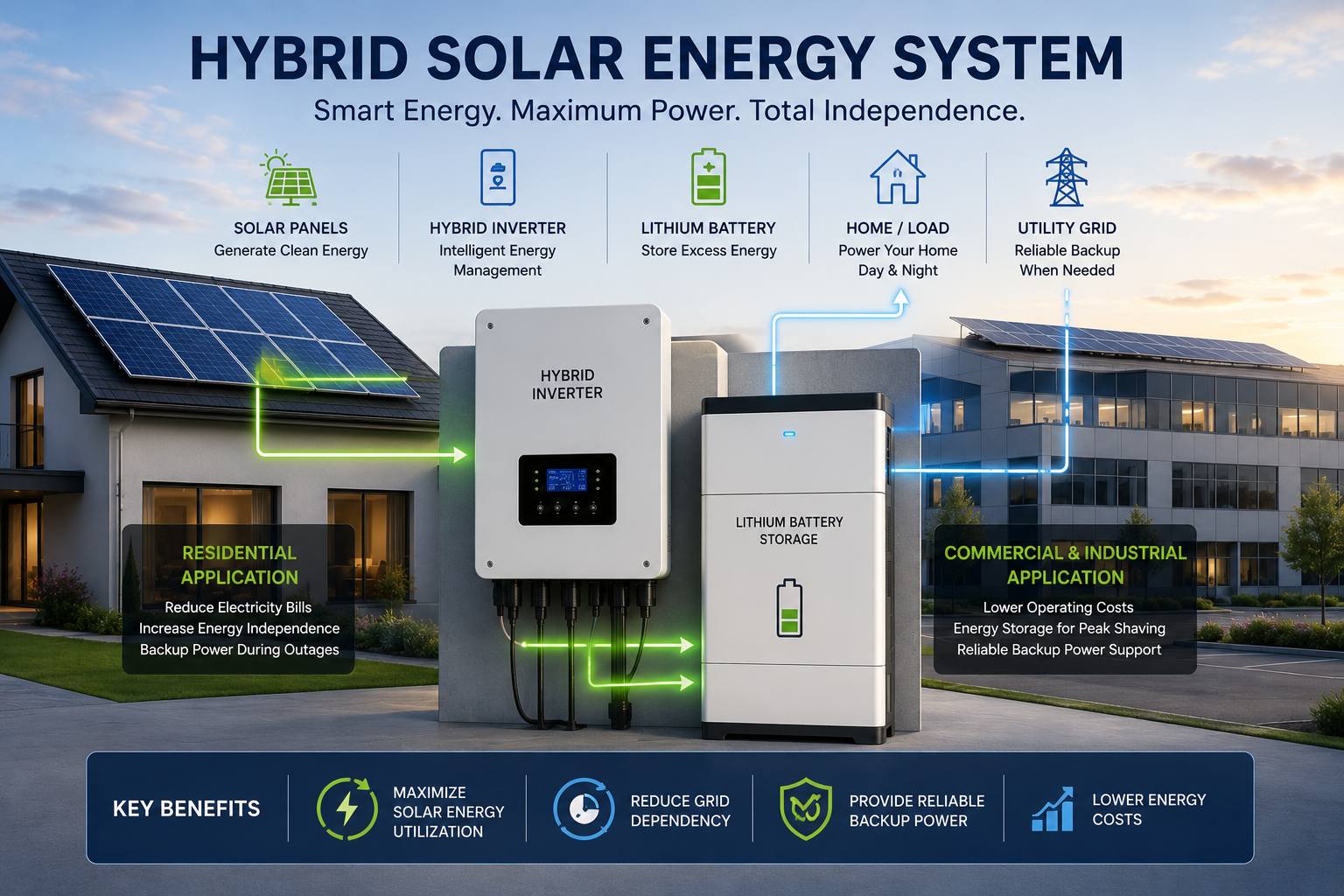
A modern solar battery storage system allows users to store excess solar energy generated during the day and use it when electricity demand is highest.
Hybrid inverters make this possible by managing:
As electricity costs continue to increase globally, more homeowners and businesses are adopting hybrid inverter systems to improve energy independence and reduce utility bills.
Final Thoughts
So, how long do solar inverters last?
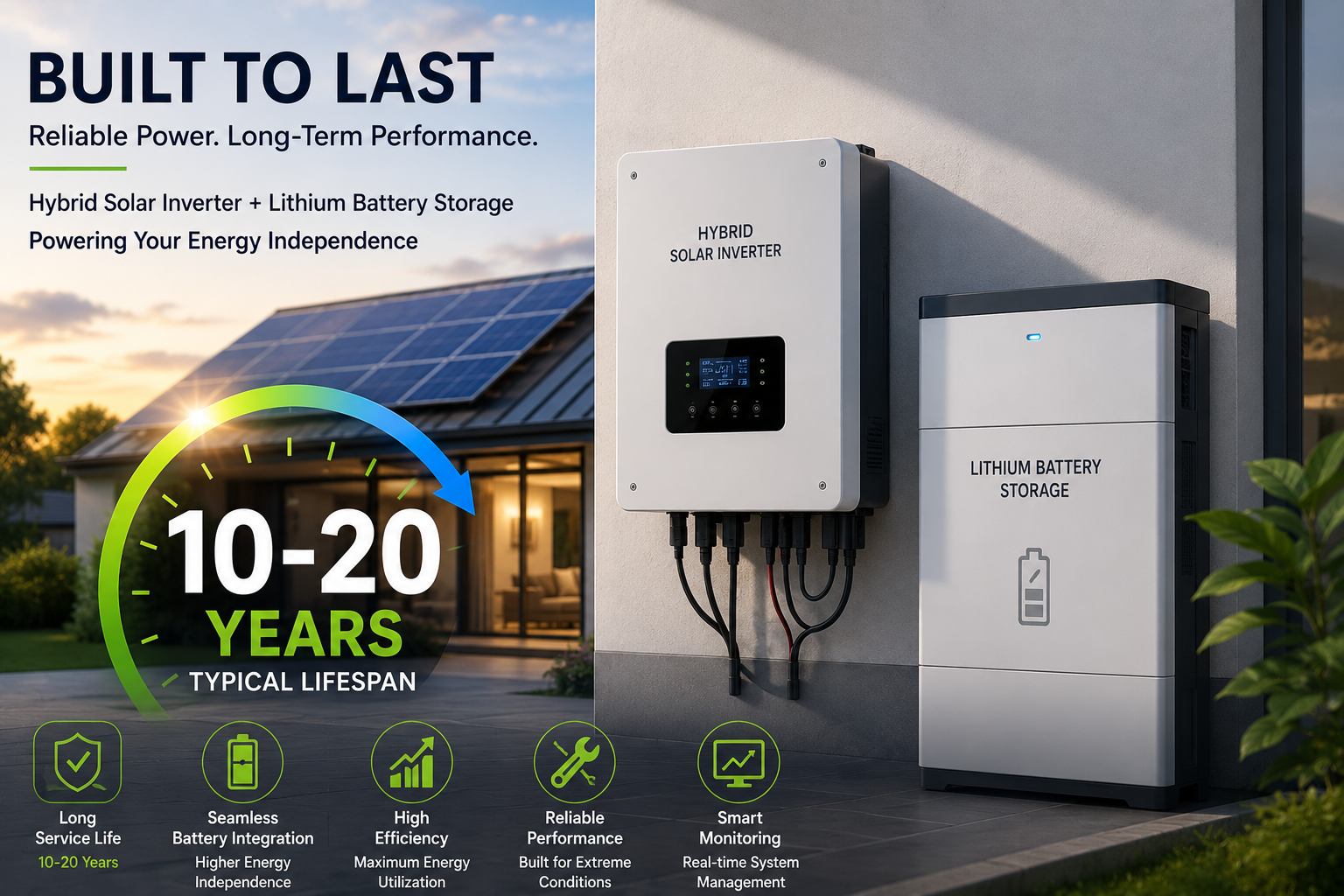
Most solar inverters operate reliably for 10 to 20 years, depending on inverter type, environmental conditions, installation quality, and maintenance practices.
Choosing a reliable solar inverter, performing routine maintenance, and considering advanced hybrid solar inverter technology can help maximize your return on investment and ensure long term system performance.
As solar energy storage continues to expand worldwide, inverter reliability will remain one of the most important factors in achieving sustainable and cost effective energy solutions.


Address : Room 908-909, Building 2, No. 469 Huatuo Lane, Shushan District, Hefei City, Anhui Province


Please read on, stay posted, subscribe, and we welcome you to tell us what you think.
Copyright 2026 @ Anhui Solarasia Energy Technology Co.,Ltd .All Rights Reserved. Sitemap | Blog | XML | Privacy Policy
 Network Supported