Why Commercial Solar Solutions Are Transforming Modern Businesses
May 20, 2026
The Rising Demand for Commercial Solar Energy
As electricity prices continue to increase worldwide, businesses are actively searching for smarter and more sustainable energy solutions. Today, Commercial Solar Solutions have become one of the fastest growing investments for factories, warehouses, shopping centers, farms, and industrial facilities.
Modern companies are no longer using solar energy only for environmental benefits. Instead, businesses are adopting commercial solar power systems to reduce operating costs, improve energy independence, and strengthen long term profitability.
With the rapid development of solar inverters, lithium battery storage systems, and intelligent energy management technologies, commercial solar projects are now more efficient and affordable than ever before.
What Are Commercial Solar Solutions?
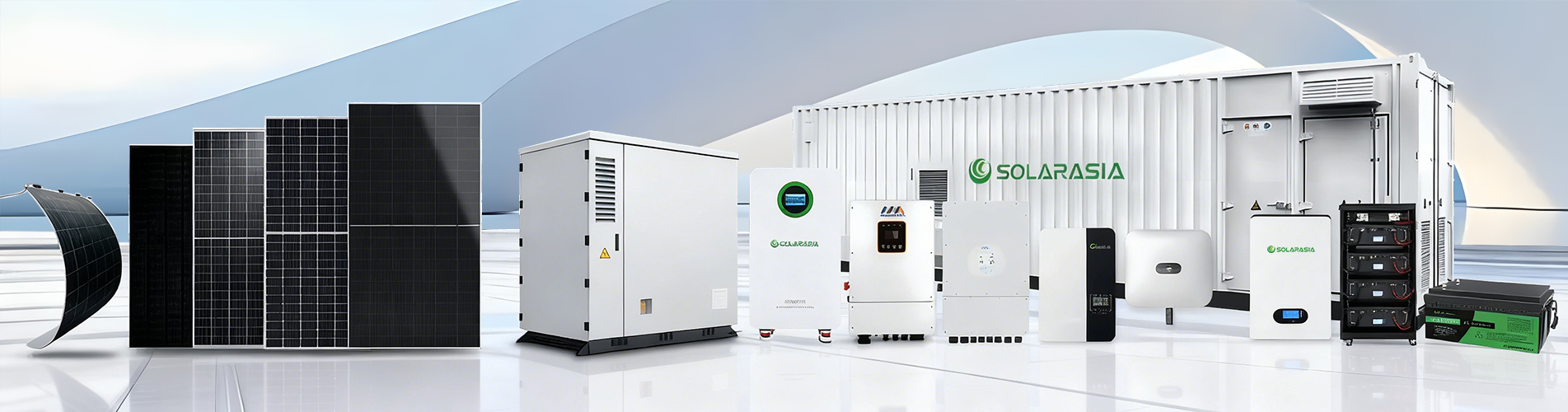
Commercial Solar Solutions refer to solar energy systems specifically designed for commercial and industrial applications. These systems typically include:
Solar PV panels
Commercial solar inverters
Battery energy storage systems (BESS)
Hybrid energy management systems
Grid connection equipment
Unlike residential solar systems, commercial solar energy systems are designed to support higher electricity consumption and larger scale operations.
These solutions are commonly installed in:
Manufacturing factories
Warehouses
Office buildings
Shopping malls
Hotels
Agricultural facilities
Industrial parks
Benefits of Commercial Solar Solutions
1. Reduce Electricity Costs
One of the biggest reasons businesses invest in commercial solar systems is to lower electricity expenses.
Energy-intensive industries often face extremely high utility bills. By generating electricity through solar PV systems, companies can significantly reduce dependence on the utility grid.
In many countries, businesses can save thousands of dollars annually through:
Peak shaving
Solar self-consumption
Reduced grid electricity usage
Lower demand charges
For large factories, installing a commercial rooftop solar system can create long term operational savings.
2. Improve Energy Independence
Power outages and unstable electricity supply can seriously impact industrial production.
A reliable commercial solar solution with battery storage helps businesses maintain continuous operation during blackouts and grid failures.
By combining hybrid solar inverters with LiFePO4 battery systems, companies can store excess solar energy for nighttime use or emergency backup power.
This is especially important for:
Factories
Hospitals
Data centers
Cold storage warehouses
EV charging stations
3. Support Sustainability Goals
More global businesses are adopting renewable energy to meet ESG and sustainability targets.
Using commercial solar energy systems helps companies:
Reduce carbon emissions
Improve environmental responsibility
Enhance brand reputation
Meet government clean energy requirements
Many international buyers and investors now prefer working with companies that actively use renewable energy technologies.
Key Components of a Commercial Solar Solution
High Efficiency Solar Panels
Modern commercial solar panels provide high conversion efficiency and long-term reliability.
Popular panel technologies include:
Monocrystalline solar panels
Half cell solar modules
N type solar panels
Bifacial solar panels
High efficiency modules are ideal for maximizing rooftop space and increasing solar power generation.
Commercial Solar Inverter
The commercial solar inverter converts DC electricity generated by solar panels into usable AC power.
Popular inverter sizes include:
100kW solar inverter
110kW hybrid inverter
125kW commercial inverter
These inverters are widely used in:
Industrial solar systems
Commercial buildings
Agricultural solar projects
Utility scale solar applications
Modern hybrid solar inverters also support battery integration and intelligent energy management.
Battery Energy Storage System (BESS)
Adding a battery energy storage system improves overall system efficiency and energy reliability.
Commercial ESS solutions help businesses:
Store excess solar energy
Reduce peak electricity costs
Provide backup power
Improve energy optimization
Today, many businesses are integrating commercial lithium battery storage systems into their solar projects.
Popular Applications for Commercial Solar Solutions
Manufacturing Factories
Factories with heavy machinery consume large amounts of electricity daily.
Installing an industrial solar power system helps manufacturers reduce energy costs and improve operational stability.
Warehouses and Logistics Centers
Warehouses often have large rooftop spaces ideal for commercial rooftop solar installations.
Solar systems can support:
Refrigeration equipment
Automated logistics systems
Lighting
EV charging stations
Agricultural Solar Projects
Modern farms increasingly use solar irrigation systems and off grid solar solutions for agricultural operations.
Commercial solar power can support:
Water pumps
Greenhouses
Livestock farms
Cold storage systems
EV Charging Stations
As electric vehicles become more popular, commercial solar charging stations are rapidly growing.
Solar plus storage systems help charging stations:
Reduce electricity costs
Improve charging stability
Balance peak grid loads
How to Choose the Right Commercial Solar Solution
When selecting a commercial solar energy system, businesses should consider several key factors.
Energy Consumption
Analyze the facility’s daily electricity usage and peak demand.
This helps determine the appropriate:
Solar panel capacity
Inverter size
Battery storage capacity
Roof Space and Installation Area
Available installation space directly impacts system design.
Businesses should evaluate:
Rooftop condition
Ground installation space
Structural load capacity
Solar exposure
Battery Storage Requirements
Companies requiring backup power should consider integrating commercial battery storage systems.Battery storage is particularly valuable in areas with unstable grids or high peak electricity prices.
Product Quality and Certifications
High quality components improve long-term reliability and system safety.
Look for products with certifications such as:
CE
IEC
UL
TÜV
Reliable suppliers also provide technical support and warranty services.
The Future of Commercial Solar Solutions
The global demand for commercial solar solutions is expected to grow rapidly over the next decade.
Several trends are accelerating this growth:
Rising electricity prices
Expansion of renewable energy
Government clean energy incentives
Growing demand for battery storage
Increasing EV adoption
Future commercial solar systems will become:
More intelligent
More efficient
Easier to install
More affordable
Businesses that invest early in commercial solar power systems can gain long-term competitive advantages while reducing operational risks.
Conclusion
Modern Commercial Solar Solutions are transforming the way businesses manage energy.
By combining solar panels, commercial hybrid inverters, and battery energy storage systems, companies can reduce electricity costs, improve energy security, and support sustainable development goals.
Whether for factories, warehouses, farms, or commercial buildings, solar energy is becoming one of the most important investments for the future of industrial and commercial power infrastructure.






 Network Supported