Commercial BESS Power vs Energy: Understanding kW and kWh
Nov 19, 2026
When comparing commercial battery energy storage systems (BESS), buyers often encounter specifications such as 100kW / 215kWh, 125kW / 261kWh, or 500kW / 1MWh.
But what do these numbers actually mean?
For commercial and industrial energy storage projects, two of the most important specifications are power rating (kW) and energy capacity (kWh). Although they are closely related, they describe different aspects of a battery storage system.
Power determines how much electricity a BESS can deliver or absorb at a given moment, while energy capacity indicates how much electricity it can store.
Understanding the difference between kW and kWh is essential when selecting a battery storage system for peak shaving, load shifting, solar self-consumption, or backup power.
Choosing a system with insufficient power may prevent it from meeting the facility's peak demand. Selecting insufficient energy capacity may result in the battery running out of stored energy before the required operating period ends.
This guide explains BESS power and energy capacity, how to calculate battery discharge duration, and how to select a suitable commercial battery storage configuration.
1. What Is Power (kW) in a Battery Energy Storage System?
Power, measured in kilowatts (kW), describes the rate at which electrical energy is transferred or used.
In a commercial battery energy storage system, the power rating indicates how much power the system can deliver to a load or absorb while charging, subject to equipment operating limits.
For example, a BESS rated at 100kW can deliver up to 100kW of power under its specified operating conditions.
Why Is BESS Power Important?
The power rating determines how much of a facility's electricity demand the battery can support at one time.
It is particularly important for applications such as:
Peak shaving
Industrial load support
Demand management
Solar power fluctuation management
Backup power
Grid power import limitation
Consider a factory with an electrical demand of 400kW. If the facility wants to reduce grid demand by 100kW during a peak period, it may need a BESS capable of delivering approximately 100kW at the relevant connection point.
However, the required battery power should be evaluated together with the load profile, PCS rating, battery discharge limits, and system losses.
What Determines the Power Rating of a BESS?
Several components and conditions affect the available system power:
PCS Rated Power
The Power Conversion System (PCS) determines the rated AC power conversion capability of the system.
Battery Discharge Capability
The battery must be able to provide sufficient DC power to support the PCS output.
Battery Voltage and Current Limits
Battery voltage, current limits, and operating conditions affect the available discharge power.
Thermal Management
Battery and PCS operating temperatures may affect available power and system performance.
System Configuration
The number of battery modules, racks, and PCS units can affect the overall system power capability.
A BESS should therefore be evaluated as a complete system rather than by looking at the battery specification alone.
2. What Is Energy Capacity (kWh) in a Battery Energy Storage System?
Energy capacity, measured in kilowatt-hours (kWh), describes how much electrical energy a battery can store.
For example, a battery system rated at 215kWh has a nominal energy capacity of 215 kilowatt-hours.
This specification helps determine how long the battery can supply power at a particular output level.
Why Is Battery Energy Capacity Important?
Energy capacity is particularly important for applications requiring electricity over a specific period.
These may include:
Evening energy consumption after solar generation decreases
Peak-period energy shifting
Long-duration load support
Backup power requirements
Energy storage for renewable generation
For example, if a commercial facility needs 50kW of battery power for four hours, its theoretical energy requirement is:
50kW × 4 hours = 200kWh
However, the actual battery capacity required will generally be higher because not all nominal battery energy is necessarily available for use.
Usable energy, conversion efficiency, auxiliary consumption, battery operating limits, and reserve requirements must also be considered.
3. BESS Power vs Energy: What Is the Difference Between kW and kWh?
The easiest way to understand the difference is to think about water flowing from a tank.
Power (kW) is similar to the flow rate of water coming out of the tank.
Energy capacity (kWh) is similar to the total amount of water stored in the tank.
A larger outlet allows water to flow out faster, while a larger tank stores more water.
Similarly, a higher-power BESS can deliver more electricity at one time, while a higher-capacity BESS can store more energy.
Key Differences Between kW and kWh
Comparison
Power (kW)
Energy Capacity (kWh)
Meaning
Rate of power delivery or absorption
Amount of stored electrical energy
Main Purpose
Determines how much power the system can provide at one time
Determines how much energy the system can store
Main Equipment Consideration
PCS and battery power capability
Battery cells, modules, and racks
Important for
Peak shaving and high-power loads
Longer discharge duration and energy shifting
Example
100kW
215kWh
Main Selection Question
How much power do I need?
How long must the battery supply energy?
Both specifications must be considered when selecting a commercial battery energy storage system.
A battery with high energy capacity but insufficient power may not meet a facility's peak demand. A high-power system with limited energy capacity may deliver the required power but only for a short period.
4. How to Calculate BESS Discharge Duration
Discharge duration describes how long a battery storage system can supply power at a specified output level.
A simplified theoretical calculation is:
Discharge Duration (hours) = Energy Capacity (kWh) ÷ Power Output (kW)
For example, consider a commercial BESS with:
Rated power: 100kW
Nominal energy capacity: 215kWh
The theoretical discharge duration is:
215kWh ÷ 100kW = 2.15 hours
This means the system has a theoretical duration of 2.15 hours at 100kW if the full nominal energy were available and there were no losses or operating restrictions.
In practice, actual discharge duration will be lower or otherwise different depending on the usable energy and system operating conditions.
A More Practical Calculation
A simplified practical estimate can be expressed as:
Discharge Duration = Usable Battery Energy × Discharge Efficiency ÷ AC Output Power
For example, assume:
Nominal battery energy: 215kWh
Assumed usable energy: 193.5kWh
Assumed discharge efficiency: 95%
AC output power: 100kW
The estimated duration is:
193.5kWh × 95% ÷ 100kW = 1.84 hours
This is an illustrative calculation, not a guaranteed product performance figure. Actual results depend on the battery specification, PCS efficiency, auxiliary loads, operating temperature, discharge rate, and other system conditions.
Why Is Usable Energy Different from Nominal Energy?
A battery's nominal energy capacity does not necessarily equal the energy available to the customer.
Usable energy may be affected by:
Permitted depth of discharge (DoD)
Minimum and maximum SOC limits
Battery operating temperature
Battery degradation
BMS protection limits
PCS conversion losses
Cooling and auxiliary consumption
When comparing BESS products, always ask the supplier to clarify whether the quoted kWh value refers to nominal energy or usable energy.
Related Articles:Commercial BESS cost breakdown.
5. How Do Different BESS Power and Energy Configurations Compare?
Commercial battery storage systems are available in different power and energy configurations.
The following examples illustrate how different configurations can serve different operating requirements.
BESS Configuration
Rated Power
Nominal Energy
Theoretical Duration
System A
100kW
100kWh
1 hour
System B
100kW
215kWh
2.15 hours
System C
100kW
261kWh
2.61 hours
System D
125kW
261kWh
2.09 hours
System E
250kW
500kWh
2 hours
Theoretical duration is calculated by dividing nominal energy by rated power. It does not represent guaranteed usable discharge time.
100kW / 215kWh vs 100kW / 261kWh
These two configurations have the same rated power but different energy capacities.
Parameter
100kW / 215kWh
100kW / 261kWh
Rated Power
100kW
100kW
Nominal Energy
215kWh
261kWh
Theoretical Duration
2.15 hours
2.61 hours
Power Difference
Same
Same
Energy Capacity Difference
Reference
46kWh higher
The 100kW / 261kWh system has 46kWh more nominal energy capacity than the 100kW / 215kWh system.
Since both systems have the same rated power, the larger-capacity configuration has a longer theoretical discharge duration at that power level.
However, buyers should compare usable energy, battery configuration, PCS capability, warranty conditions, and system cost before making a purchasing decision.
6. What Is the Relationship Between C-Rate, Power, and Energy?
C-rate describes the charging or discharging rate of a battery relative to its rated capacity.
It is useful when evaluating whether a battery can deliver or absorb a particular power level.
For a simplified example:
1C means a theoretical full-capacity charge or discharge in one hour.
0.5C means a theoretical full-capacity charge or discharge in two hours.
0.25C means a theoretical full-capacity charge or discharge in four hours.
Actual operation depends on battery specifications and permitted operating conditions.
Example: A 215kWh Battery
Assuming a battery energy capacity of 215kWh:
C-Rate
Theoretical Power
Theoretical Duration
0.25C
53.75kW
4 hours
0.5C
107.5kW
2 hours
1C
215kW
1 hour
These figures are simplified theoretical relationships.
The actual system power may be limited by the battery's maximum charge and discharge current, PCS rating, voltage range, temperature, and control settings.
A 215kWh battery does not automatically mean that the complete BESS can deliver 215kW. The PCS and battery discharge capability must support that output.
Related Articles:BESS energy management system.
7. How to Choose the Right BESS Power and Energy Capacity for a Factory
Selecting a suitable commercial BESS requires understanding both the facility's power demand and its energy consumption over time.
A system should not be sized using only the monthly electricity bill or the factory's total installed electrical capacity.
A more reliable approach is to evaluate the facility's actual load profile and project objectives.
Step 1: Identify the Main Application
First, determine why the business needs a battery energy storage system.
Common applications include:
Peak Shaving
The facility wants to reduce short periods of high grid demand. Power capability is particularly important, while energy capacity must be sufficient to sustain the required reduction.
Load Shifting
The facility wants to move electricity consumption from higher-price periods to lower-price periods. The required energy capacity depends on the amount of energy to be shifted and the duration of the target period.
Solar Self-Consumption
The facility wants to store excess solar generation for later use. Battery capacity should be evaluated based on surplus PV generation and the site's consumption pattern.
Backup Power
The facility wants to supply selected loads during grid interruptions. Both output power and required backup duration are essential.
Step 2: Analyze the Facility's Load Profile
Collect electricity consumption data at suitable intervals, such as 15-minute or hourly measurements, depending on the project's requirements and local tariff structure.
Important information includes:
Maximum demand
Average demand
Minimum demand
Daily load curve
Peak demand periods
Critical electrical loads
Seasonal consumption changes
This helps determine the required battery power and discharge duration.
Step 3: Determine the Required BESS Power
For peak shaving, a simplified initial estimate is:
Required BESS Power = Existing Peak Demand − Target Grid Demand
For example:
Existing peak demand: 400kW
Target grid demand: 300kW
Required battery discharge power:
400kW − 300kW = 100kW
This gives an initial estimate of the required power contribution.
The final PCS rating should also account for load fluctuations, control response, electrical losses, and operating margins.
Step 4: Calculate the Required Energy Capacity
After determining the required power, calculate how long the battery must supply it.
For example:
Required discharge power: 100kW
Required discharge duration: 2 hours
The theoretical energy requirement is:
100kW × 2 hours = 200kWh
The required nominal battery capacity may need to be higher to account for usable energy limits, efficiency losses, degradation allowance, and reserve requirements.
Step 5: Check Charging Requirements
Battery sizing should also consider how and when the system will recharge.
For example, a solar-powered BESS should have sufficient charging opportunities during available solar generation periods.
A grid-charged BESS should be evaluated against available grid capacity, charging schedules, electricity tariffs, and applicable grid restrictions.
The charging power and available charging window can influence the required PCS rating and battery capacity.
Step 6: Confirm Electrical and Site Conditions
Before finalizing the configuration, review:
Grid voltage and frequency
Transformer capacity
Existing switchgear
Available installation space
Ambient temperature
Cooling requirements
Fire protection requirements
Local electrical and building regulations
A technically suitable battery capacity may still be unsuitable if the site's electrical infrastructure or installation conditions cannot support the proposed system.
Related Articles:Commercial battery storage sizing.
8. How Do Power and Energy Requirements Differ by BESS Application?
Different applications place different priorities on power and energy capacity.
Application
Main Requirement
Important Consideration
Peak Shaving
Sufficient discharge power
Peak demand level and duration
Load Shifting
Sufficient usable energy
Energy consumption during target periods
Solar Self-Consumption
Suitable energy capacity and charging capability
Surplus PV generation and facility load
Backup Power
Both power and energy
Critical load and required backup duration
Frequency Regulation
Fast and controlled power response
PCS capability, control response, and operating rules
Grid Import Limitation
Appropriate discharge power and energy
Grid connection limit and facility load profile
For example, a factory with short and high demand peaks may require a relatively high-power system with moderate energy capacity.
A facility that wants to shift several hours of electricity consumption may need a larger energy capacity.
This is why there is no single ideal BESS power-to-energy ratio for every commercial project.
Related Articles:Commercial BESS peak shaving.
9. Common Mistakes When Selecting BESS Power and Energy Capacity
Mistake 1: Choosing a Battery Based Only on kWh
A large battery capacity does not guarantee sufficient output power.
If the PCS or battery discharge capability is too low, the system may not support the facility's peak demand.
Mistake 2: Ignoring the Required Discharge Duration
Selecting a BESS based only on power rating may result in insufficient energy capacity.
A 100kW system with 100kWh of nominal energy has a theoretical duration of one hour, not several hours.
Mistake 3: Confusing Nominal Energy with Usable Energy
The nominal capacity listed in a datasheet may be higher than the energy available under the recommended operating conditions.
Always confirm usable energy and the applicable SOC or DoD range.
Mistake 4: Ignoring PCS Limitations
The battery may have sufficient energy capacity, but the PCS may limit the actual AC output.
Check both the battery discharge capability and PCS rated power.
Mistake 5: Ignoring Future Load Growth
If the facility expects production expansion or higher electricity demand, the system design should consider potential future requirements.
However, oversizing without an economic and technical assessment can increase initial investment unnecessarily.
Mistake 6: Using Only Average Electricity Consumption
Average demand does not show when the facility experiences short periods of high power consumption.
A detailed load profile is important for determining the required BESS power.
10. What Information Should You Prepare Before Requesting a BESS Quotation?
To help a supplier recommend an appropriate battery storage configuration, prepare the following information:
Project Information
Details
Project Type
Factory, warehouse, commercial building, or industrial facility
Required Power
kW or MW
Required Energy
kWh or MWh
Main Application
Peak shaving, load shifting, solar self-consumption, backup
Maximum Demand
Facility's maximum power demand
Load Profile
Daily or interval-based electricity consumption
Required Duration
Expected battery discharge time
Existing Solar PV
Installed capacity and inverter information
Grid Information
Voltage, frequency, import and export requirements
Installation Location
Indoor or outdoor, ambient temperature, available space
Project Location
Country and local compliance requirements
If you are unsure about the required battery capacity or PCS power, providing your electricity bills, load profile, and project objectives can help the supplier conduct an initial assessment.
Related Articles:How to choose a commercial BESS supplier.
11. Frequently Asked Questions About BESS Power and Energy
Q1: What is the difference between kW and kWh in a BESS?
kW measures the rate at which a battery system can deliver or absorb power. kWh measures the amount of electrical energy stored in the battery. Both specifications are important when selecting a commercial BESS.
Q2: How long can a 100kW / 215kWh battery system run?
Its theoretical duration at 100kW is 2.15 hours, calculated by dividing 215kWh by 100kW. Actual operating time depends on usable energy, conversion efficiency, auxiliary consumption, and operating limits.
Q3: Is a 100kW battery the same as a 100kWh battery?
No. A 100kW specification describes power capability, while 100kWh describes energy capacity. They measure different characteristics and should not be used interchangeably.
Q4: How many kWh do I need for a 100kW BESS?
The required energy capacity depends on the desired discharge duration. For example, a 100kW system operating for two theoretical hours requires 200kWh of energy. Additional capacity may be needed to account for usable energy limits and system losses.
Q5: What does 0.5C mean for a battery energy storage system?
A 0.5C rate represents a theoretical full-capacity charge or discharge over two hours. The actual permitted rate depends on the battery manufacturer's specifications and system operating limits.
Q6: Is a higher kWh rating always better?
Not necessarily. A higher energy capacity provides more stored energy, but it may also increase project cost. The correct capacity should match the facility's energy requirements and operating strategy.
Q7: What is more important for peak shaving, kW or kWh?
Both matter. kW determines how much peak demand the battery can reduce at one time, while kWh determines how long it can maintain that reduction.
Q8: Can I increase the energy capacity of an existing commercial BESS?
Some systems support expansion through additional battery modules or cabinets. However, expansion depends on PCS compatibility, BMS and EMS configuration, electrical design, battery operating conditions, and manufacturer approval.
Conclusion: Choose BESS Power and Energy Capacity Based on Your Project Requirements
Understanding the difference between power (kW) and energy capacity (kWh) is essential when selecting a commercial battery energy storage system.
Power determines how much electricity the system can deliver or absorb at one time, while energy capacity determines how much electricity it can store.
A suitable BESS configuration should consider the facility's load profile, peak demand, required discharge duration, solar generation, electricity tariff, and operating objectives.
Instead of choosing a battery system based only on its nominal kWh rating, buyers should evaluate the complete configuration, including battery capability, PCS power, usable energy, EMS control, and system efficiency.
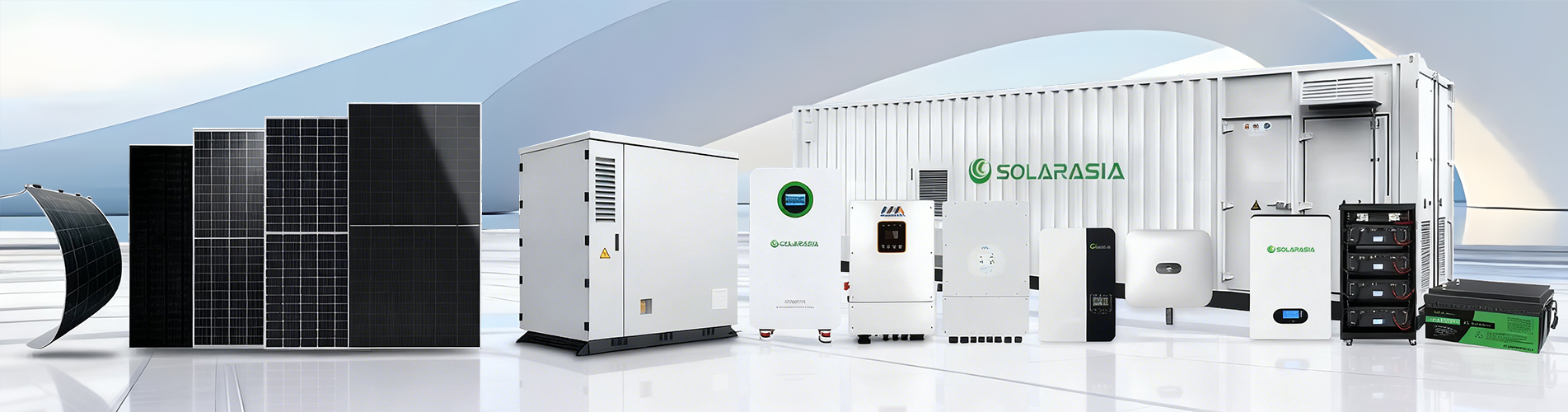
At SOLARASIA, we provide commercial and industrial battery energy storage products and customized BESS solutions for different project requirements.
Planning a commercial BESS project? Contact SOLARASIA with your required power, energy capacity, application, and project location. Our team can help you evaluate a suitable battery storage configuration for your business.






 Network Supported