Why Your Farm Can’t Afford to Ignore Solar + Storage in 2026
Apr 09, 2026
Forget the "green energy" hype for a second. In 2026, shifting to solar water pumps with integrated battery storage isn't about saving the planet—it’s about saving your bottom line.
We’ve moved past the era where a simple "daylight only" solar pump was enough. If you’re still relying on the grid or, worse, hauling diesel to remote sites, you’re operating with a massive handicap. Here is the ground level reality of why the hybrid approach is now the industry standard.
1. The Death of the "Diesel Logistics" Nightmare
If you’ve ever had a pump fail in the middle of a heatwave because a fuel delivery was delayed, you know the stakes.
Energy Sovereignty: In 2026, fuel prices aren't just high; they are volatile. A battery backed solar system turns your farm into an independent power utility. You stop paying for "logistics" and start harvesting free photons.
Grid Resilience: Let’s be real—rural grids are getting more brittle. When the local transformer blows under peak summer load, a BESS (Battery Energy Storage System) keeps your water flowing. Your crops don’t care about grid maintenance; they just need moisture.
2. Agronomic Advantage: The Magic of Night Time Irrigation
Standard solar pumps die when the sun goes down. But any experienced grower knows that noon is the worst time to water.
Reducing Evaporative Loss: By storing energy during the day and pumping at night or pre-dawn, you significantly reduce water waste. You get more "crop per drop."
Pressure Stability: Unlike direct-drive pumps that sputter when a cloud passes by, a battery buffered system provides a rock solid, constant PSI. This is critical for the longevity of your drip tapes and high end filtration units.
3. The 2026 Tech Threshold: LFP and TOPCon
We aren't using 2020 technology anymore. The ROI (Return on Investment) has hit a tipping point because the hardware has matured:
LFP Dominance: We now exclusively see Lithium Iron Phosphate (LFP) in the field. Why? Because they offer 6,000+ cycles. That’s 15 years of daily cycling before you even think about a replacement.
High Efficiency N-Type Modules: With panel efficiencies now pushing 23%+, you can generate more torque for deep-well submersibles using a much smaller land footprint.
4. More Than Just Hardware: The Intelligence Layer
In 2026,"dumb" pumps are a liability.
The modern setup is an integrated ecosystem. Through mobile IoT interfaces, you can now sync your pump’s output with real-time soil moisture sensors. If the battery is at 20% and a storm is coming, the system is smart enough to prioritize critical zones. It’s not just a pump; it’s a managed asset.
The Bottom Line
The payback period for a high performance solar+storage system has dropped to a sweet spot of 3 to 4 years. In an industry where margins are razor-thin, owning your energy source is the ultimate competitive advantage.
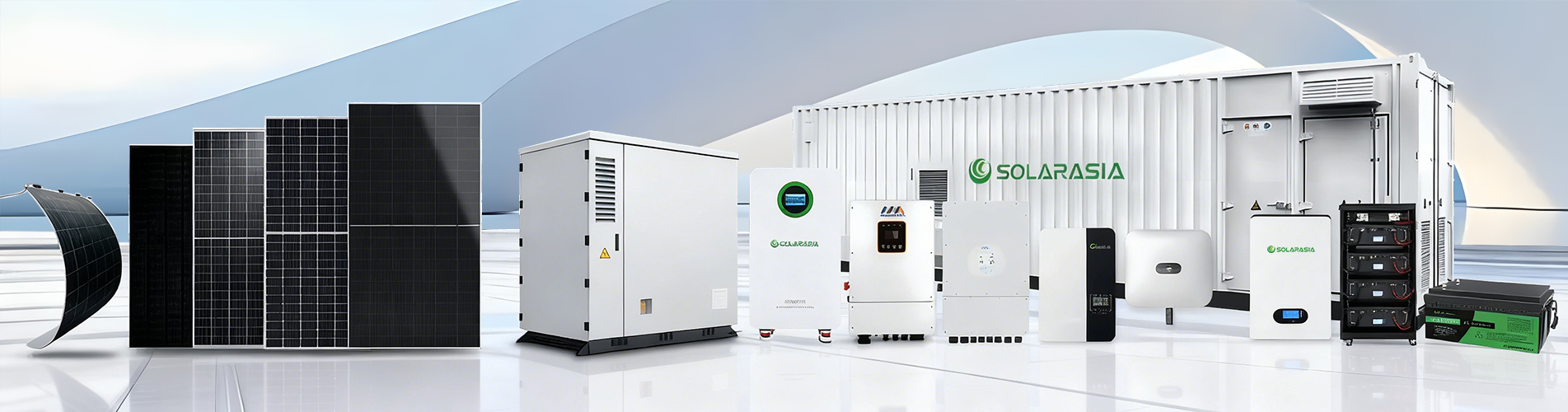
At Solarasia Power, we don’t just sell boxes; we engineer reliability. Whether it’s a 5kW fruit orchard setup or a multi-megawatt industrial plantation, the logic remains the same: Secure your power, secure your water, secure your future.






 Network Supported