How to Choose a Commercial Battery Energy Storage System for Your Business
Oct 09, 2026
Electricity costs, changing energy demand and the growing adoption of renewable energy are encouraging businesses to invest in energy storage. For factories, warehouses, commercial buildings and industrial facilities, battery storage can help manage electricity consumption, improve solar energy utilization and provide additional flexibility in energy management.
However, selecting the right Commercial Battery Energy Storage System is not simply a matter of choosing a battery with a large capacity. Businesses need to consider power requirements, storage duration, battery chemistry, inverter compatibility, energy management, safety, installation conditions and long term operating costs.
A system designed for a warehouse with rooftop solar panels may have very different requirements from one installed in a manufacturing plant with high peak demand. Similarly, a project intended for backup power may require a different configuration from a system designed for peak shaving or energy arbitrage.
This guide explains how to choose a suitable C&I BESS for your business, what specifications to compare and how to evaluate suppliers before making a purchasing decision.
1. Understand Why Your Business Needs Battery Energy Storage
Before comparing products, define the main purpose of the energy storage project. The application directly influences the required battery capacity, power rating and system configuration.
Peak Shaving
Some commercial and industrial facilities experience high electricity demand during specific operating periods. Depending on the local electricity tariff, peak demand can contribute significantly to electricity costs.
A battery energy storage system can discharge during selected high demand periods, helping reduce the amount of power drawn from the grid.
For peak shaving, the battery should be sized according to the demand reduction target, peak duration and load profile.
Solar Self Consumption
Businesses with rooftop solar installations may generate more electricity than they can immediately use during certain hours.
A Commercial Solar Battery Storage System can store surplus solar electricity and release it when solar generation decreases or demand increases.
This can help businesses use more of their own solar generation instead of relying entirely on grid electricity during later periods.
Time of Use Energy Management
Where electricity prices vary throughout the day, a battery can potentially charge during lower cost periods and discharge during higher cost periods.
The financial benefit depends on tariff structures, charging efficiency, battery degradation, operating costs and applicable regulations.
Backup Power
Some businesses need electricity to maintain selected operations during a grid outage.
A battery system may support critical loads such as communication equipment, security systems, refrigeration or selected production equipment, provided the system is designed for backup operation.
Not every grid connected battery system provides backup power automatically. Islanding capability, transfer equipment, inverter functionality and system configuration must be verified.
Renewable Energy Integration
Battery storage can help coordinate solar generation, building loads and grid interaction. For larger projects, an energy management system can optimize how these resources operate together.
Understanding the main application is the first step toward choosing the right system.
2. Determine the Required Battery Capacity and Power
Two of the most important specifications are battery energy capacity and rated power.
Although they are related, they describe different aspects of system performance.
Battery capacity, measured in kWh or MWh, indicates how much energy the system can store.
Power rating, measured in kW or MW, indicates how much power the system can deliver or absorb at a given time.
For example, a system rated at 100kW / 215kWh has a nominal energy capacity of 215kWh and a power rating of 100kW, subject to its actual operating specifications.
Its theoretical discharge duration at full rated power is:
215kWh ÷ 100kW = 2.15 hours.
Actual operating duration may be shorter because of usable capacity limits, conversion losses, auxiliary consumption and operating conditions.
How to Estimate Battery Capacity
A simplified starting formula is:
Required Battery Energy = Target Power × Required Discharge Duration
For example, if a business wants to reduce grid demand by 100kW for two hours, the theoretical energy requirement is:
100kW × 2 hours = 200kWh.
This is only a preliminary estimate. The final system may require additional nominal capacity depending on the usable state of charge range, efficiency, degradation allowance and reserve requirements.
What Information Should You Collect?
Before requesting a quotation, prepare:
Historical electricity consumption
Peak demand and peak duration
Solar generation data, if applicable
Required discharge duration
Critical load requirements
Daily operating schedule
Future expansion plans
For commercial projects, interval load data is often more useful than monthly electricity bills alone because it shows when power demand occurs.
3. Choose the Right Battery Chemistry
Battery chemistry affects safety characteristics, cycle life, energy density, operating requirements and overall project economics.
Lithium iron phosphate, commonly known as LiFePO4 or LFP, is widely used in modern stationary energy storage systems.
Recommended Internal Links:
How to Choose the Right Solar Battery for Your Solar System
Why Consider LiFePO4 Batteries?
LiFePO4 batteries are frequently selected for commercial energy storage because they offer:
Good thermal stability compared with some other lithium battery chemistries
Long cycle life under suitable operating conditions
High usable energy potential
Stable electrochemical performance
Compatibility with modular battery architectures
Integration with battery management systems
Actual performance depends on cell quality, battery design, thermal management, operating conditions and system controls.
For many Industrial Battery Energy Storage System projects, LFP technology is a practical option to evaluate.
However, businesses should compare complete system specifications rather than choosing a battery solely because of its chemistry.
4. Select a Suitable System Configuration
Commercial battery storage systems are available in different configurations to meet different project requirements.
Modular Battery Systems
Modular systems combine battery modules or racks to achieve the required energy capacity.
They may be suitable for projects that require flexible configurations or potential future expansion.
Outdoor Battery Energy Storage Cabinets
Outdoor cabinets integrate battery modules with supporting electrical and protection components in an enclosure designed for the specified installation environment.
Depending on the product, the system may also incorporate thermal management, fire safety equipment and monitoring functions.
Integrated C&I BESS
An integrated system may combine battery storage, power conversion equipment, thermal management, safety protection and monitoring in a coordinated package.
This can simplify equipment coordination and project integration, although the exact scope of integration varies by manufacturer.
When evaluating configurations, consider available space, installation requirements, project capacity, maintenance access and local safety regulations.
5. Evaluate the PCS and Inverter Compatibility
The Power Conversion System, or PCS, is a key component of many commercial battery storage systems. It manages the conversion of electrical power between the battery's DC side and the AC electrical system.
Depending on the architecture, the PCS may support charging, discharging, grid interaction and specified operating modes.
Before choosing a Commercial Energy Storage System, confirm the following:
Rated charge and discharge power
AC voltage and frequency
Battery DC voltage range
Conversion efficiency
Grid connection requirements
Communication interfaces
Parallel operation capability
Backup or islanding functions, if required
For projects combining solar PV and battery storage, also determine whether an AC coupled or DC coupled architecture is appropriate.
The best choice depends on the existing solar inverter, the proposed battery system and the electrical design.
Do not assume that every battery can work with every inverter or PCS. Confirm compatibility with the manufacturer before purchasing.
6. Consider the Energy Management System
An Energy Management System, or EMS, helps coordinate energy flows between the battery, solar generation, building loads and the grid.
For commercial projects, EMS functionality can be important because electricity demand and energy prices may change throughout the day.
Depending on the system, an EMS may support:
Peak demand management
Solar self consumption optimization
Charge and discharge scheduling
Time of use energy management
Power limits and operating strategies
System monitoring and performance reporting
Coordination of multiple energy assets
For example, a factory with rooftop solar may prioritize charging the battery when surplus solar generation is available, then discharge the battery during selected periods of higher demand.
The actual control strategy should be configured according to the site's load profile, electricity tariff and operating objectives.
When comparing suppliers, ask whether the EMS is included, what functions it supports and whether it can integrate with existing monitoring or building management systems.
7. Check Battery Safety and Thermal Management
Safety should be a core consideration in every commercial battery storage project.
A properly designed system may incorporate multiple protection layers, including:
Battery Management System monitoring
Overvoltage and undervoltage protection
Overcurrent and short circuit protection
Temperature monitoring
Thermal management
Fault detection and alarms
Emergency shutdown functions
Fire detection or suppression features, where applicable
The actual protection architecture varies by product and installation type.
Thermal management is particularly important for larger systems. Battery performance and service life can be affected by operating temperature, while cooling requirements depend on system design, ambient conditions and operating load.
Before selecting equipment, check the manufacturer's installation instructions, environmental operating range, enclosure protection rating and applicable fire and electrical safety requirements.
For projects in different countries, confirm that the proposed system meets relevant local codes and certification requirements.
8. Calculate the Potential Return on Investment
A commercial battery project should be evaluated based on its expected operating benefits and total cost of ownership.
The purchase price is only one part of the investment.
Other potential costs include:
Installation and electrical work
PCS and EMS
Thermal management
Safety equipment
Grid connection and permitting
Maintenance
Software or monitoring services
Future battery replacement or augmentation
Potential financial benefits may come from peak demand reduction, time of use energy shifting, increased solar self consumption or other services permitted in the local market.
How to Estimate Battery Storage ROI
A simplified approach is:
Annual Net Benefit = Annual Energy Cost Savings − Annual Operating Costs
Then:
Simple Payback Period = Initial Project Investment ÷ Annual Net Benefit
For example, if a project costs $150,000 and generates an estimated annual net benefit of $30,000, the simple payback period would be five years.
This is an illustrative calculation, not a performance forecast.
A more complete financial model should consider energy tariffs, battery degradation, charging losses, financing costs, maintenance, incentives and future electricity prices. It should also avoid counting the same energy savings twice.
For businesses evaluating a C&I Battery Storage System, the best configuration is the one that meets operational requirements and delivers an acceptable financial return under realistic assumptions.
9. Choose a Reliable Commercial BESS Manufacturer
Selecting the right supplier is just as important as selecting the battery specifications.
For distributors, EPC contractors, project developers and industrial end users, supplier reliability can influence product quality, project delivery and long term service.
Manufacturing Capability
Review the manufacturer's production processes, testing procedures and quality control practices.
Ask about battery assembly, system integration, inspection procedures and product traceability.
Customization Capability
Commercial projects may have different requirements for capacity, voltage, enclosure design, communication, thermal management and integration.
A supplier with appropriate engineering capability may be better positioned to support project specific configurations.
Technical Documentation
Before placing an order, request relevant documents such as:
Product datasheets
System configuration diagrams
Installation and operation manuals
Battery and inverter compatibility information
Applicable certificates and test reports
Warranty terms
After Sales Support
Ask how the supplier handles commissioning support, troubleshooting, spare parts, warranty claims and technical questions.
For international projects, clear communication and well defined service responsibilities are particularly important.
Project References
Where available, review relevant installation examples and customer references. Confirm that the applications are comparable to your project in terms of system size, environment and operating requirements.
10. Prepare the Right Information Before Requesting a Quote
A detailed project inquiry helps the supplier recommend a suitable configuration and provide a more meaningful quotation.
Before contacting a Commercial Battery Energy Storage System Supplier, prepare the following information:
Project Information
Details to Provide
Application
Peak shaving, solar storage, backup or other
Required Power
Target charge and discharge power in kW
Required Capacity
Target storage capacity in kWh
Discharge Duration
Desired operating duration
Existing Solar System
PV capacity and inverter details, if applicable
Grid Information
AC voltage, frequency and connection requirements
Installation Location
Country, site type and environmental conditions
Operating Profile
Daily load curve and operating schedule
System Expansion
Whether future capacity expansion is required
Compliance
Applicable local standards and certifications
If some details are not yet available, share the information you have. A preliminary technical discussion can help identify which measurements or specifications are still needed.
11. Common Mistakes When Choosing a C&I BESS
Businesses can avoid unnecessary costs and technical problems by addressing common selection mistakes early.
Choosing capacity based only on solar panel size: The correct battery size depends on surplus generation, load demand, operating strategy and financial objectives.
Ignoring power requirements: A battery with sufficient energy capacity may still be unable to support the required load if its power rating is too low.
Overlooking compatibility: Battery voltage, PCS specifications, communication protocols and grid requirements must be checked before system integration.
Focusing only on the initial price: A low purchase price does not necessarily mean a lower lifetime cost.
Ignoring local regulations: Installation, grid connection and fire safety requirements vary by location.
Not planning for maintenance: Monitoring access, service arrangements and replacement procedures should be considered during project design.
Assuming every system provides backup power: Backup capability must be confirmed from the equipment specifications and overall electrical design.
Addressing these factors during the planning stage can help businesses select a more suitable and reliable energy storage solution.
12. Why Work With Solarasia Power for Energy Storage Solutions?
Anhui Solarasia Energy Technology Co., Ltd. provides lithium battery and energy storage solutions for residential, commercial and industrial applications.
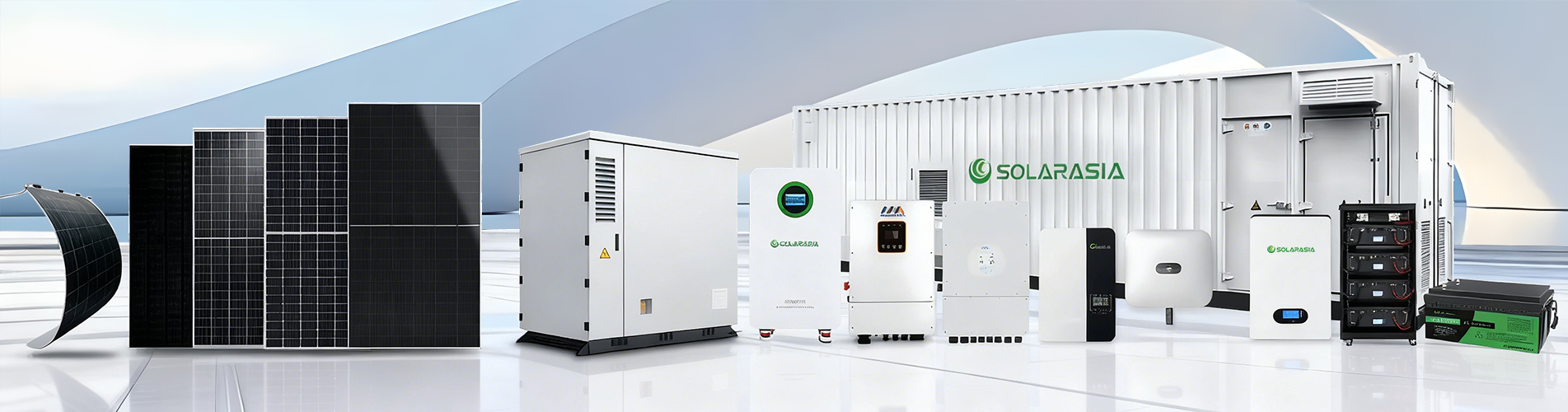
Our product portfolio includes lithium battery systems, solar batteries, inverters and commercial and industrial battery energy storage solutions.
For customers evaluating a C&I BESS Manufacturer, the key is finding a solution that matches the project's technical specifications, operating conditions and business objectives.
Solarasia Power supports customers in evaluating product configurations and energy storage requirements for different applications.
Our team can discuss project requirements such as:
Required power and energy capacity
Battery configuration and voltage
Application and operating strategy
Inverter or PCS compatibility
Installation environment
Customized energy storage requirements
Whether you are an EPC contractor, distributor, project developer or industrial end user, sharing your project details helps us identify a suitable starting configuration.
Looking for a Commercial Battery Energy Storage Solution?
Contact SolarAsia Power to discuss your project requirements and request a customized product recommendation or quotation.
Conclusion
Choosing the right commercial battery energy storage system requires more than comparing battery capacity and purchase price.
Businesses should evaluate the intended application, required power, usable energy, battery chemistry, PCS compatibility, EMS functionality, safety, installation conditions and total cost of ownership.
A carefully designed system can help businesses manage electricity demand, make better use of solar generation and improve energy flexibility.
For commercial and industrial projects, working with a supplier that understands system integration and project requirements can also simplify the equipment selection process.
Before making a purchasing decision, analyze your load profile, define your operating objectives and compare complete system configurations rather than individual battery specifications alone.






 Network Supported