
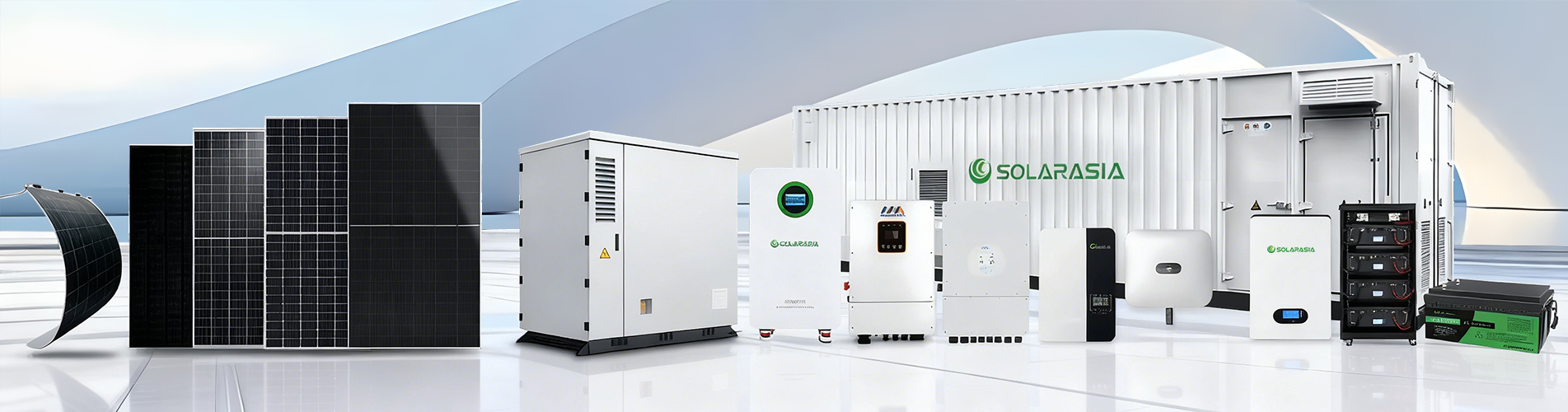
How to Choose a Solar Panel Supplier for Your Project
Choosing the right solar panel supplier is an important decision for residential, commercial, industrial and utility-scale solar projects.

A solar module is a long term component of a photovoltaic system, while supplier performance can affect procurement, delivery schedules, documentation, project installation and after-sales support.
For this reason, buyers should not choose a supplier based only on the lowest quoted price.
A better approach is to evaluate the complete package:
Product quality + technology + certifications + price + supply capacity + logistics + warranty + technical support.
For distributors, product availability and portfolio breadth may be especially important. For EPC contractors, technical compatibility and delivery schedules can be critical. For project developers, long-term performance and total project economics may receive greater attention.
This guide explains how to evaluate a solar panel supplier before placing an order.
Why Choosing the Right Solar Panel Supplier Matters
A solar project can require dozens, hundreds or thousands of modules.
If the supplier cannot provide the required products on schedule, the impact can extend beyond the panels themselves.
Potential problems include:
A reliable supplier should therefore be viewed as part of the project's procurement and supply chain, not simply as a source of products.
The right supplier should be able to match the required module technology and specifications with the project's technical and commercial requirements.
Start With Your Project Requirements
Before contacting suppliers, define what you actually need.
This makes supplier comparisons much easier.
Determine the Project Type
First identify whether the project is:
Different applications may require different module formats and specifications.
Determine the Required Capacity
First identify whether the project is:
Different applications may require different module formats and specifications.
Determine the Required Capacity
Establish the approximate DC system capacity and expected module quantity.
For example, a project using 600W modules will require a different number of modules from a project using 700W modules for the same nominal DC capacity.
The final module count also depends on system design and electrical requirements.
Define the Required Technology
Depending on the project, you may be considering:
Having a defined technology preference allows you to compare suppliers more consistently.
Define the Destination
The project location matters because it can influence:
Give the supplier the destination country or project location when requesting a quotation.
Evaluate the Supplier's Solar Panel Portfolio
A supplier with a broad product portfolio can provide more flexibility for different projects.
Look for suppliers that can offer products suitable for your target market, such as:
For distributors, portfolio breadth can be especially useful because different customers may request different technologies or power classes.
For EPC contractors, a suitable portfolio can make it easier to source modules for projects with different technical requirements.
However, a broad catalog alone does not prove supplier quality. Each specific product should still be evaluated.
Check Solar Panel Technology and Specifications
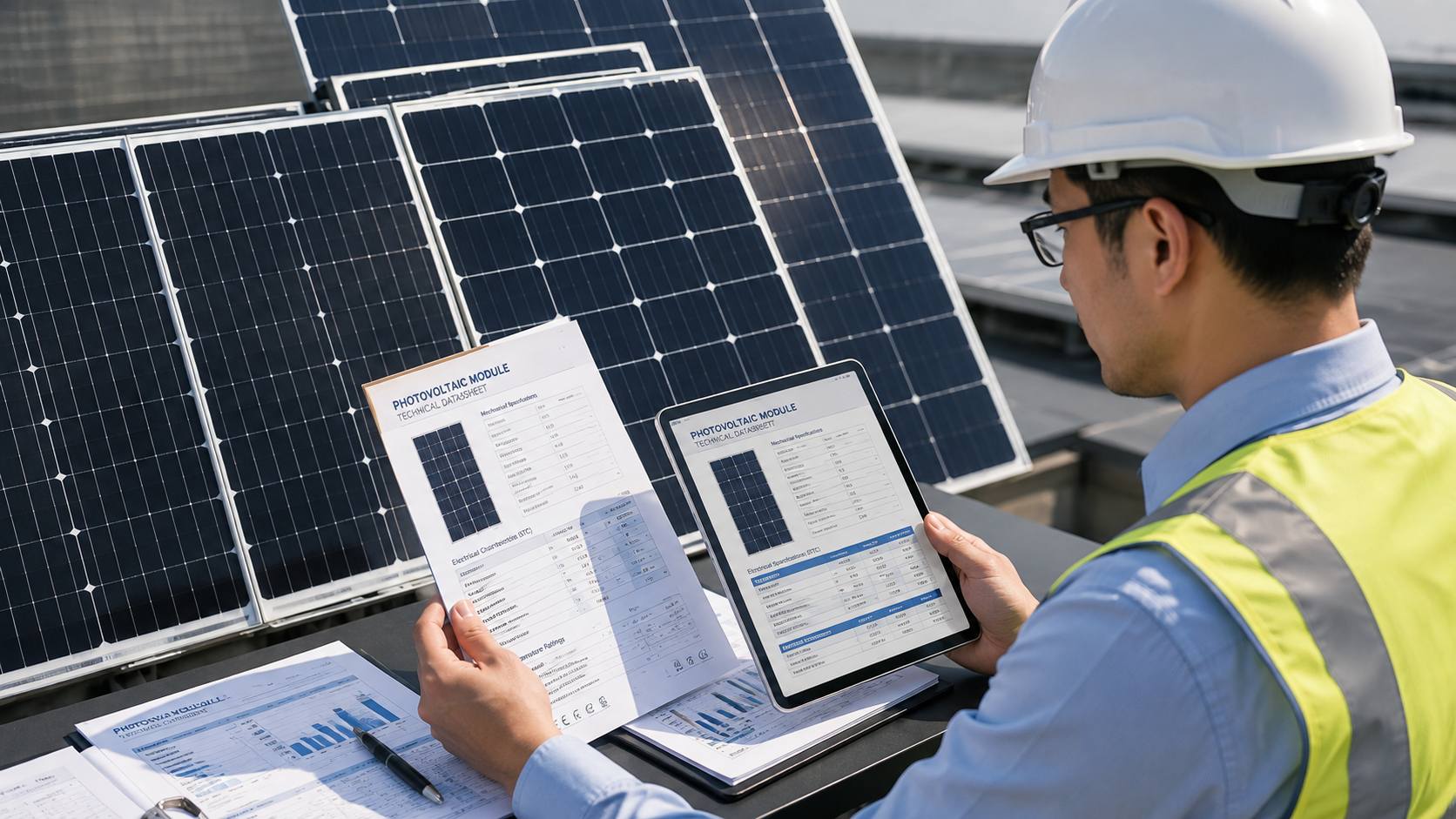
Do not compare suppliers only by brand name.
Compare the actual module models being offered.
Important specifications include:
| Specification | Why It Matters |
| Rated power | Determines nominal module output |
| Efficiency | Important for power density |
| Voc | Required for string design |
| Isc | Important for electrical sizing |
| Vmp | Used in system design |
| Imp | Used in system design |
| Temperature coefficient | Relevant to operating conditions |
| Dimensions | Affects installation and logistics |
| Weight | Important for handling and structures |
| Bifaciality | Relevant to bifacial applications |
| Maximum system voltage | Electrical compatibility |
| Mechanical load | Structural considerations |
| Warranty | Long-term risk management |
For example, two modules may both be marketed as high-power panels but have significantly different dimensions or electrical characteristics.
Always compare the datasheet for the exact model.
Verify Certifications and Quality Documentation
Before placing a significant order, ask the supplier for the relevant documentation.
Depending on the market and project, this may include:
Certification requirements vary by destination and project.
Therefore, do not assume that a certification shown for one model applies automatically to another model.
The exact product model and applicable documentation should be verified before procurement.
For large EPC projects, buyers may also conduct additional supplier due diligence depending on project requirements.
Compare Solar Panel Pricing and Total Cost
Price is an important part of supplier selection, but the lowest module quotation does not automatically represent the lowest overall project cost.
When comparing suppliers, determine exactly what the quotation includes.
For example:
The actual commercial structure depends on the agreed Incoterms and destination.
A useful approach is to compare the total delivered cost.
For example:
Total procurement cost = product cost + transportation + applicable fees + other project-specific costs
For EPC projects, also consider how module specifications could influence installation and balance-of-system costs.
Evaluate Supply Capacity and Lead Times
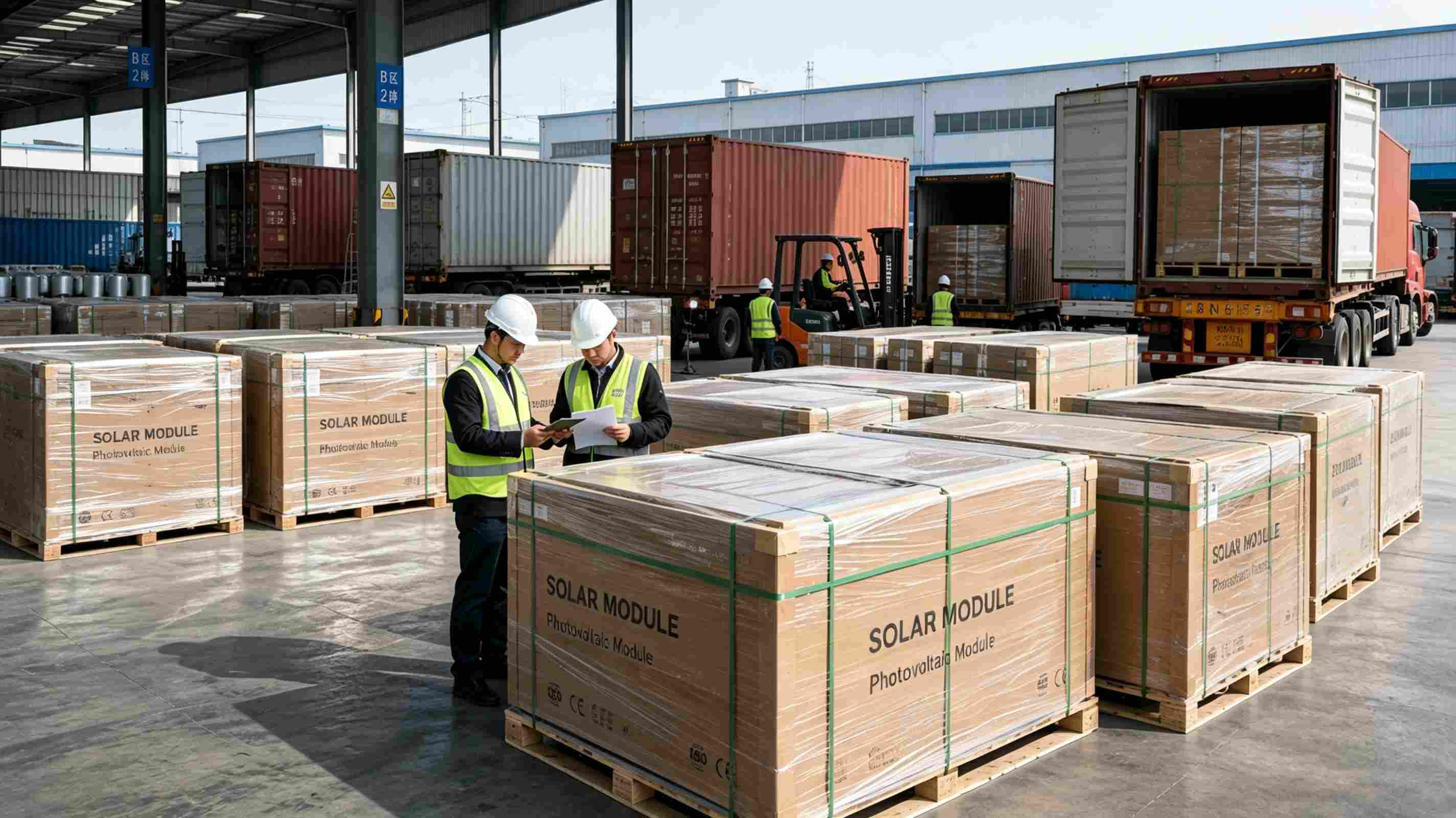
A supplier may offer an attractive product and price but still be unsuitable if the required quantity cannot be delivered on schedule.
Ask suppliers about:
This is particularly important for large commercial and utility-scale projects.
For example, if an EPC contractor has a construction schedule that requires modules at the site by a specific date, procurement should be coordinated well in advance.
Distributors should also consider whether the supplier can support repeat orders and maintain reasonable product availability.
Review Packaging, Shipping and Logistics
Solar panels are large and relatively fragile cargo.
Packaging quality can therefore be an important part of international procurement.
Ask about:
How many modules are included in each pallet?
How many modules can be loaded into the planned shipping configuration?
How are the modules protected against handling and transportation risks?
Clarify responsibilities for:
The exact responsibilities depend on the agreed commercial terms.
A supplier with experience in international solar logistics can make the procurement process easier, but buyers should still review the agreed shipping terms carefully.
Check Warranty and After Sales Support
Solar modules are designed for long-term outdoor use, so warranty documentation deserves careful review.
Depending on the manufacturer and product, buyers may encounter different:
Always review the warranty for the specific module model being purchased.
Also ask the supplier how warranty communication is handled.
Important questions include:
For international buyers, clear communication can be especially valuable.
Compare Manufacturers and Brands
Professional solar buyers may compare manufacturers such as:
The right choice depends on the project rather than simply selecting the most recognizable brand.
When comparing manufacturers, consider:
Technology → Product specifications → Quality documentation → Warranty → Availability → Price → Logistics
A distributor may prioritize market demand and product availability.
An EPC contractor may place greater emphasis on technical specifications and project compatibility.
A utility scale project may prioritize energy yield, power density, bifacial performance and total project economics.
Questions to Ask a Solar Panel Supplier
Before placing an order, prepare a standardized supplier questionnaire.
The answers should be documented so that different suppliers can be compared fairly.
Common Mistakes When Choosing a Solar Panel Supplier
A low price can be attractive, but the overall procurement cost includes more than the module itself.Consider quality, logistics, warranty and delivery capability.
Comparing an older module against a newer-generation product can produce misleading conclusions.Compare products with reasonably similar specifications and intended applications.
High-power modules may be physically larger.Check whether the selected modules work with the project's mounting system, transportation process and installation procedures.
A manufacturer's product portfolio can include multiple module families.
Always verify the exact model number on:
For large projects, a delivery delay can affect construction.Confirm lead time before placing the order.
Make sure the buyer and supplier have a shared understanding of:
Solarasia Power as a Solar Panel Sourcing Partner
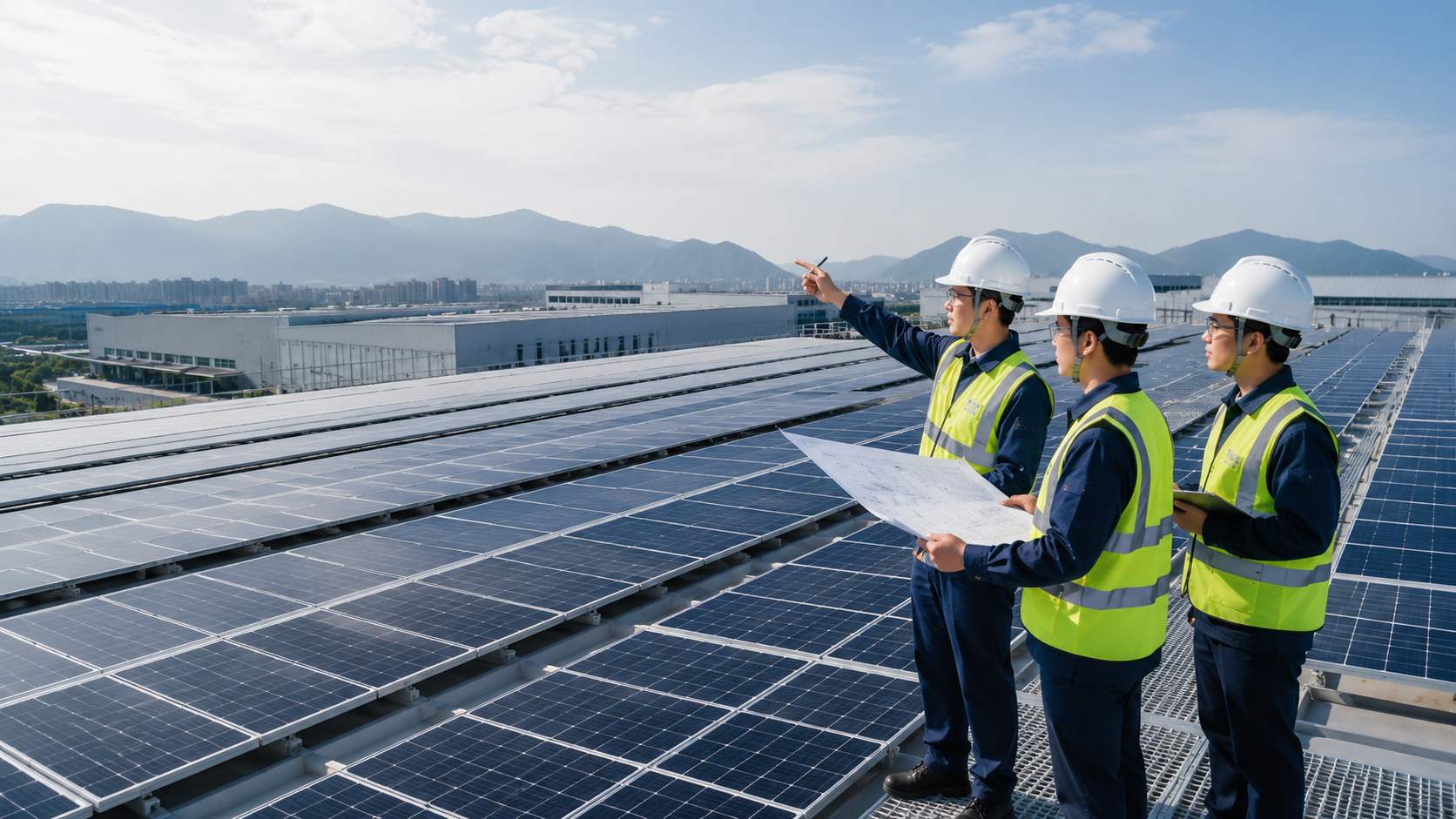
Solarasia Power provides solar products and solutions for international customers, including distributors, EPC contractors and solar project buyers.
Its solar panel portfolio includes products from established manufacturers such as:
The range covers different solar technologies and applications, including:
This multi-brand approach gives professional buyers the ability to compare different products according to project requirements.
You can view the available solar panels here:
https://www.solarasiapower.com/solar-panel
For a project quotation, it is useful to provide:
With this information, suppliers can better understand the procurement requirements and prepare suitable options.
Solar Panel Supplier Evaluation Checklist
Before choosing a supplier, use this checklist:
| Category | What to Check |
|---|---|
| Product | Exact module model |
| Technology | TOPCon / HJT / Bifacial / Other |
| Power | Rated wattage |
| Efficiency | Module efficiency |
| Dimensions | Installation compatibility |
| Electrical | Voc, Isc, Vmp and Imp |
| Certifications | Applicable documentation |
| Warranty | Product and performance terms |
| Quality | Test and technical documents |
| Supply | Available quantity |
| Lead time | Delivery schedule |
| Packaging | Pallet and container configuration |
| Logistics | Shipping and delivery terms |
| Price | Total commercial cost |
| Support | Technical and after-sales support |
FAQs
How do I choose a solar panel supplier?
Compare suppliers based on product quality, exact module specifications, technology, certifications, warranty, pricing, supply capacity, logistics, lead time and technical support. The best supplier should match your project's technical and commercial requirements.
What should I look for in a solar panel supplier?
Look for a supplier with suitable products, reliable supply capability, clear technical documentation, applicable certifications, transparent commercial terms, reasonable lead times and an established process for technical and warranty support.
Is it better to buy solar panels directly from a manufacturer?
Not necessarily. The best procurement channel depends on order size, project requirements, market, logistics and supplier capabilities. A qualified distributor or sourcing company may provide access to multiple manufacturers and product options.
How do I compare solar panel suppliers?
Use the same evaluation criteria for every supplier. Compare exact module specifications, certifications, warranty, price, availability, delivery terms, logistics and support rather than comparing only brand names or module prices.
What certifications should solar panels have?
Certification requirements depend on the destination country and project. Buyers should verify the applicable certifications for the exact module model and intended market rather than relying on generic manufacturer claims.
How important is the solar panel warranty?
Warranty terms are an important part of long-term procurement risk management. Review both the product warranty and applicable performance warranty for the exact module model.
Should I choose a high-efficiency solar panel?
High efficiency modules can be valuable where available space is limited. However, efficiency should be considered alongside price, module dimensions, energy yield, installation costs and overall project economics.
What is the difference between a solar panel supplier and manufacturer?
A manufacturer produces the solar modules, while a supplier can provide products to customers and may work with one or multiple manufacturers. The exact business model varies by company.
Can a solar panel supplier provide different brands?
Some suppliers offer products from multiple manufacturers. This can be useful for distributors and EPC contractors who need to compare different technologies, power classes and product specifications.
Conclusion
Choosing the right solar panel supplier is a procurement decision that should go beyond comparing prices.
A professional evaluation should consider:
Product → Technology → Quality → Certification → Price → Supply → Logistics → Warranty → Support
For distributors, product availability and portfolio breadth may be critical. For EPC contractors, technical compatibility and delivery schedules can be equally important. For large projects, supplier reliability and logistics planning can directly affect procurement execution.
Before placing an order, verify the exact module model, review its technical documentation, compare commercial terms and make sure the supplier can meet the required quantity and delivery schedule.
Solar Asia Power provides access to solar panels from multiple established manufacturers, including Jinko, LONGi, Trina, JA Solar, Canadian Solar, Huasun and AIKO.
Explore the available products:
https://www.solarasiapower.com/solar-panel
For professional buyers, the goal is not simply to find the cheapest panel. It is to find the right product from a supplier that can meet the project's technical, commercial and supply-chain requirements.


Address : Room 908-909, Building 2, No. 469 Huatuo Lane, Shushan District, Hefei City, Anhui Province


Please read on, stay posted, subscribe, and we welcome you to tell us what you think.
Copyright 2026 @ Anhui Solarasia Energy Technology Co.,Ltd .All Rights Reserved. Sitemap | Blog | XML | Privacy Policy
 Network Supported