
AC Coupled vs DC Coupled BESS: Complete Guide
Introduction
As global demand for renewable energy continues to rise, businesses and industrial users are rapidly adopting battery energy storage systems to improve energy efficiency, reduce electricity costs, and achieve energy independence. Among the most discussed topics in the energy storage industry is the difference between AC Coupled BESS and DC Coupled BESS.
Choosing the right energy storage architecture can directly impact system efficiency, installation flexibility, project cost, and long-term return on investment. Whether you are planning a commercial solar project, upgrading an existing photovoltaic system, or deploying a large scale industrial energy storage solution, understanding the advantages and limitations of each configuration is essential.
In this complete guide, we will explain how AC coupled and DC coupled battery energy storage systems work, compare their pros and cons, discuss real world applications, and help you determine which solution is best for your project.
What Is a Battery Energy Storage System (BESS)?
A Battery Energy Storage System (BESS) is a technology solution that stores electricity in rechargeable batteries for later use. These systems are widely used in residential, commercial, and industrial solar projects to balance power demand, improve grid stability, and maximize renewable energy utilization.
Modern BESS solutions typically include:
Today, commercial energy storage systems are increasingly used in factories, shopping malls, hospitals, farms, telecom stations, and utility scale projects.
What Is an AC Coupled BESS?
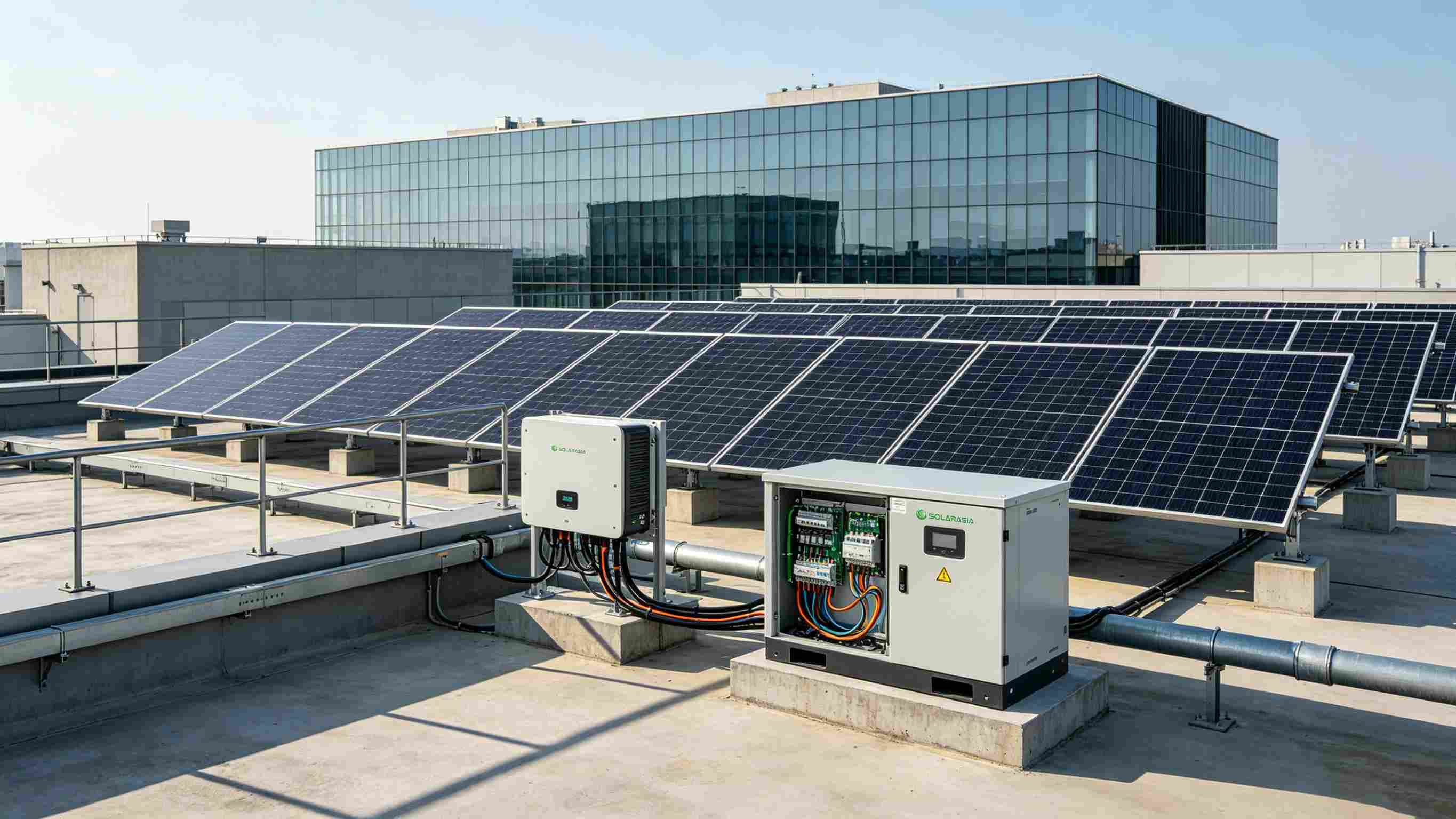
An AC Coupled BESS connects the battery storage system to the AC side of the solar inverter. In this configuration, the photovoltaic system and battery storage system operate through separate inverters.
How AC Coupled Systems Work
Because AC coupled systems use separate inverters, they are highly flexible and suitable for retrofitting existing solar systems.
Advantages of AC Coupled BESS
1. Easy Retrofit for Existing Solar Systems
One of the biggest advantages of an AC coupled solution is its compatibility with existing solar installations. Businesses that already have a solar system can add battery storage without replacing the original inverter.
2. High System Flexibility
AC coupled systems allow independent operation of the solar inverter and battery inverter. This flexibility makes maintenance and future expansion easier.
3. Better for Complex Commercial Projects
Many large commercial buildings and industrial facilities prefer AC coupled storage because of easier integration with different equipment brands.
4. Scalable Energy Storage
Additional battery capacity can often be added without major modifications to the solar array.
Disadvantages of AC Coupled BESS
1. Lower Overall Efficiency
Because electricity undergoes multiple power conversions (DC to AC to DC to AC), energy losses are higher compared to DC coupled systems.
2. Higher Equipment Cost
Separate inverters increase system hardware costs and installation complexity.
3. More Space Requirements
Commercial installations may require additional space for extra inverter equipment.
What Is a DC Coupled BESS?
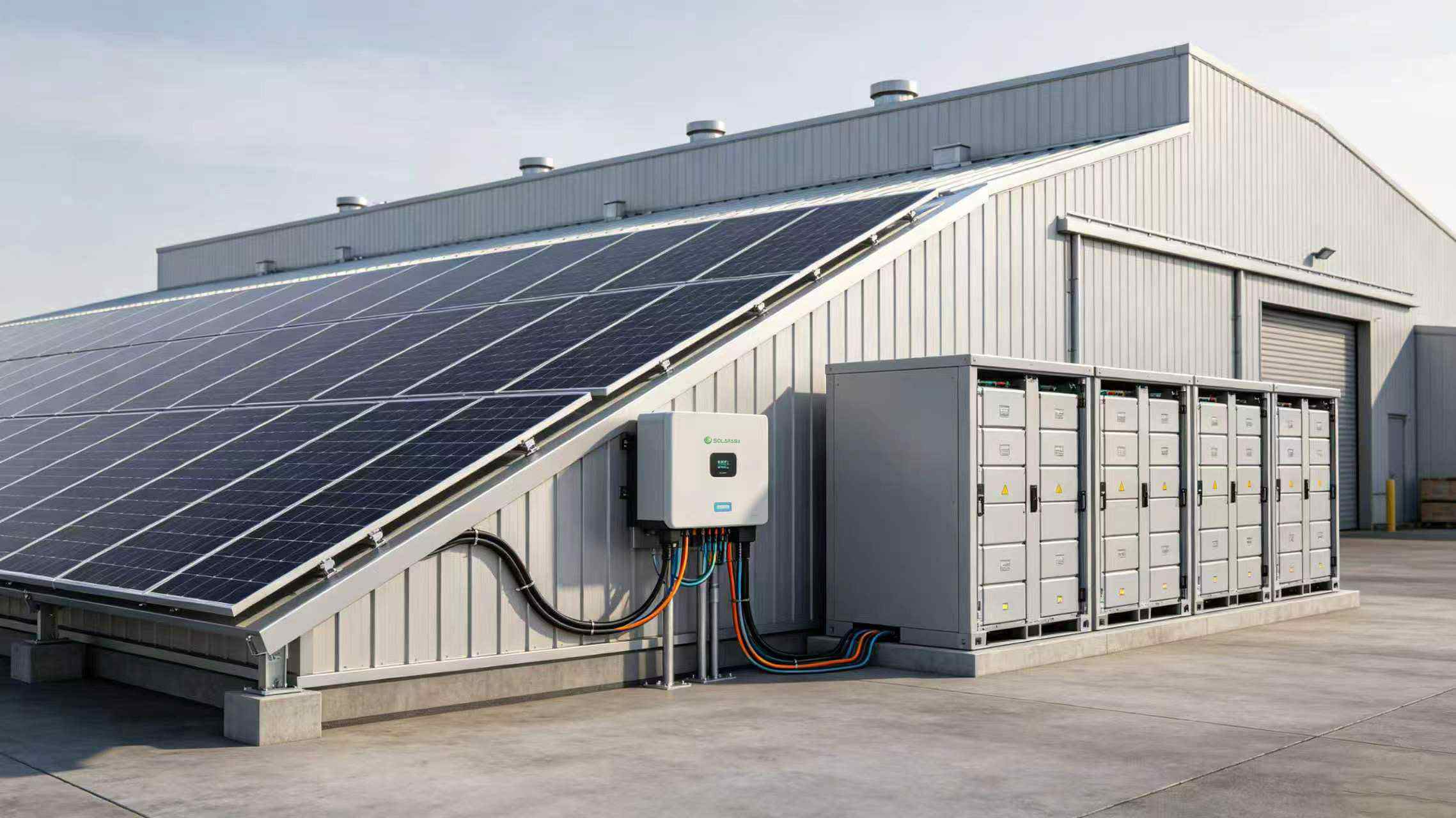
A DC Coupled BESS integrates solar panels and battery storage on the DC side before electricity reaches the inverter. In this architecture, both the solar array and battery system share a single hybrid inverter or PCS.
How DC Coupled Systems Work
Because fewer energy conversions occur, DC coupled systems generally achieve higher efficiency.
Advantages of DC Coupled BESS
1. Higher Energy Efficiency
DC coupled systems minimize conversion losses, allowing more solar energy to be stored and utilized.
2. Lower Equipment Costs
Using a single hybrid inverter can reduce equipment and installation expenses.
3. Ideal for New Solar + Storage Projects
For newly designed commercial and industrial solar projects, DC coupling often provides better overall integration.
4. Better Solar Energy Utilization
Excess solar generation can directly charge the battery without unnecessary conversions.
Disadvantages of DC Coupled BESS
1. Limited Retrofit Compatibility
DC coupled systems are not always suitable for upgrading older solar installations.
2. More Complex Design Requirements
System sizing and engineering require careful planning.
3. Expansion Can Be More Difficult
Future upgrades may require changes to the hybrid inverter configuration.
AC Coupled vs DC Coupled BESS: Key Differences
| Feature | AC Coupled BESS | DC Coupled BESS | ||
| Inverter Setup | Separate inverters | Shared hybrid inverter | ||
| Energy Efficiency | Lower | Higher | ||
|
Excellent | Limited | ||
|
Higher | Lower | ||
|
High | Medium | ||
|
Easier | More complex | ||
| Best Use Case | Existing solar upgrades | New solar + storage projects |
Which System Is Better for Commercial Energy Storage?
The answer depends on your project goals.
Choose AC Coupled BESS If:
Choose DC Coupled BESS If:
For many modern commercial energy storage systems, DC coupled architecture is becoming increasingly popular due to higher efficiency and lower installation costs.
However, AC coupled systems remain highly valuable for retrofit projects and large industrial facilities.
AC Coupled vs DC Coupled for Industrial Applications
In industrial applications, energy storage systems are often used for:
Large factories and manufacturing plants may choose AC coupled systems when upgrading existing infrastructure, while newly designed industrial parks often prefer DC coupled systems for maximum efficiency.
Today, many companies investing in battery energy storage systems also combine energy management systems and smart monitoring platforms to optimize performance.
Future Trends in BESS Architecture
As the global renewable energy market grows, both AC coupled and DC coupled systems will continue to evolve.
Key industry trends include:
The rapid development of lithium battery technology is also driving the adoption of larger industrial energy storage solutions worldwide.
Frequently Asked Questions (FAQ)
1. Which is more efficient: AC coupled or DC coupled BESS?
DC coupled systems are generally more efficient because they reduce the number of power conversions.
2. Is AC coupled better for existing solar systems?
Yes. AC coupled systems are usually easier to integrate with existing solar installations.
3. Which system is cheaper?
DC coupled systems often have lower hardware and installation costs for new projects.
4. Can AC coupled systems provide backup power?
Yes. Many AC coupled systems support backup functionality when configured properly.
5. What batteries are commonly used in BESS?
Lithium iron phosphate (LiFePO4) batteries are currently the most common choice for commercial and industrial applications.
Conclusion
Understanding the differences between AC coupled and DC coupled battery energy storage systems is essential for selecting the right solution for your energy project.
An AC Coupled BESS offers excellent flexibility and retrofit capability, making it ideal for upgrading existing solar systems. Meanwhile, a DC Coupled BESS provides higher efficiency and lower overall cost, especially for newly designed solar + storage projects.
As demand for renewable energy continues to increase, businesses worldwide are investing in smarter and more efficient commercial energy storage systems to reduce operational costs and improve energy resilience.
If you are looking for customized BESS solutions, hybrid inverters, or industrial solar energy systems, Solarasia Power provides professional energy storage products and one-stop project support for global customers.


Address : Room 908-909, Building 2, No. 469 Huatuo Lane, Shushan District, Hefei City, Anhui Province


Please read on, stay posted, subscribe, and we welcome you to tell us what you think.
Copyright 2026 @ Anhui Solarasia Energy Technology Co.,Ltd .All Rights Reserved. Sitemap | Blog | XML | Privacy Policy
 Network Supported