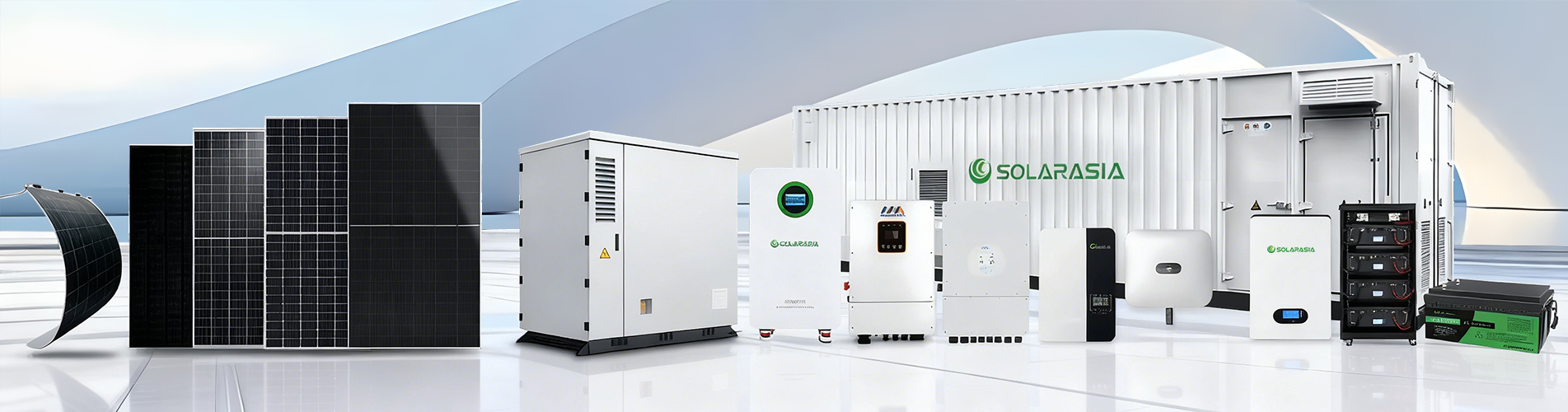
Solarasia banner

lithium battery

Home

lithium battery

  • Battery Power: The Future of Energy Storage Unveiled May 13, 2025
    With the increasing demand for energy storage solutions, batteries have become the cornerstone of this technology. To help everyone gain a deeper understanding of this critical field, Lightboat Technology has compiled a comprehensive guide that breaks down the complexities of batteries into easy-to-understand concepts. By the end of this article, you'll have a solid grasp of battery technology and be well on your way to becoming an expert. Enjoy your reading! I. The Battery Family The term "lithium battery" originally referred to lithium metal batteries, which were single-use and prone to explosion, and thus have long been phased out. Nowadays, what we commonly refer to as lithium batteries are actually lithium-ion batteries. The everyday 7号 and 5号 batteries we use are dry batteries; the old "brick" mobile phones, or "big brother" phones, used nickel-metal hydride batteries; small electric vehicles typically employ lead-acid batteries, which are often seen in groups of four, neatly packaged together; whereas our smartphones, laptops, and even electric vehicles mostly rely on lithium-ion batteries. Comparison of characteristics of major electrochemical battery energy storage batteries. II. Battery Terminology Explained SOX: The full name is State Of X, which describes the state of the battery. H stands for Health, C for Capacity, P for Power, and E for Energy. It's somewhat similar to engine parameters like displacement, power, energy, and runtime. The general meaning is consistent. SOC: (State of Charge) This refers to the charge level of the battery. Think of the battery's charge as water in a bucket. The amount of usable charge contained in the battery at a given moment is called the SOC at that moment. When the battery is completely discharged, the SOC is 0, and when it's fully charged, the SOC is 1. It's the usable capacity divided by the actual capacity. DOD: (Depth of Discharge) This indicates the depth of discharge of the battery. When the battery is fully charged, its DOD is 0, and when it's completely discharged, the DOD is 1. So, under normal circumstances, the DOD of a battery is a value between 0 and 1, and the relationship between DOD and SOC is: DOD + SOC = 1. SOH: (State of Health) This is the ratio of the battery's current actual capacity to its initial rated capacity. As the battery ages, the SOH will continuously decrease. It's generally measured based on capacity and internal resistance. The definition of SOH using battery capacity decay is the most common in literature, and it's given as follows: Where: Caged is the current capacity of the battery; Crated is the rated capacity of the battery. III. Classification of Lithium Batteries A. By Performance Power Type : Like a sprinter, it can output high power in a short time, suitable for devices that require instant high power output, such as some power tools. Energy Type : Like a long-distance runner, it focuses on high energy storage, able to provide a stable supply of energy over a long period, commonly used in smartphones, laptops, and other devices that need extended battery life. B. By Appearance Cylindrical : With a regular shape and stable structure, and mature production processes. The 18650 lithium-ion battery, for example, is a cylindrical battery with a high degree of standardization, good safety, and is widely used in small electronic products and some electric vehicles. Prismatic (Steel/Aluminum Case) : Can be customized in size according to actual needs, with relatively high space utilization, and is used in some devices where flexible space layout is required, such as in some laptop battery packs. Pouch (Aluminum Plastic Film) : Light in weight and highly customizable in shape, it can be designed into various forms to fit the internal structure of different products. However, compared to steel or aluminum case batteries, its packaging strength is relatively lower. It is gradually being applied in some high-end electronic products with special requirements for battery shape and weight. C. By Electrolyte Material Liquid Lithium-ion Battery (LIB) : Uses liquid electrolyte and is currently widely used in power batteries due to its good conductivity and relatively high energy density. However, in terms of safety, certain protective measures are needed to prevent electrolyte leakage. Polymer Lithium-ion Battery (PLB) : Replaces liquid electrolyte with solid polymer electrolyte, which can be in a "dry" or "gel" state. Compared to liquid lithium-ion batteries, polymer lithium-ion batteries have certain advantages in safety, as they are less likely to leak. They also have stronger shape adaptability and can better meet the needs of applications with special requirements for battery shape and safety. Solid-state batteries, strictly speaking, refer to those with both electrodes and electrolytes in solid form. D. By Cathode Material Lithium Iron Phosphate Battery (LFP) : It has a moderate working voltage (3.2V), large electrical capacity (170mAh/g), high discharge power, fast charging capability, long cycle life, and high stability in high-temperature and high-heat environments. Moreover, it doesn't contain expensive elements like cobalt. The raw materials are low in cost and abundant in resources, making it widely used in energy storage fields and some power batteries with high safety requirements. Lithium Cobalt Oxide Battery (LCO) : It has a higher energy density and can provide higher voltage and better battery life. However, the cost is relatively high, and its safety is relatively weaker compared to other types. It is prone to overheating issues. It was widely used in early mobile phone batteries and other consumer electronics. But with the development of technology and increasing safety requirements, its application scope has been somewhat limited. Lithium Manganese Oxide Battery (LMO) : It has certain cost advantages and better low-temperature performance. However, its energy density is relatively low, and its cycle life is slightly inferior to that of lithium iron phosphate batteries. It is used in some small power tools and low-end electric vehicles. Bipolar Battery : Including nickel-manganese cobalt oxide and nickel-cobalt oxide, etc. By combining different metal elements, it can balance performance indicators such as energy density and safety to a certain extent. However, its market share is relatively small at present. Ternary Battery : Including nickel-cobalt-manganese cobalt oxide (NCM) and nickel-cobalt-aluminum cobalt oxide (NCA). They have high energy density and can meet the requirements of electric vehicles and other applications with high demands for driving range. But in terms of safety, more precise management and control are needed. They are widely used in mid-to-high-end electric vehicles and some consumer electronics. E. By Anode Material Lithium Titanate Battery (LTO) : It has excellent cycle life and safety, and can maintain better performance under fast charging and discharging conditions. However, its energy density is relatively low. It is mainly used in some special fields where battery life and safety are required to be extremely high, but the energy density requirements are relatively low, such as some energy storage power stations. Graphene Battery : Graphene has a unique two-dimensional structure and excellent electrical conductivity. Using it as the anode material of batteries is expected to significantly improve the charging and discharging speed and energy density of batteries. However, it is currently still in the research and gradual promotion stage, facing challenges such as cost control and process optimization. Nano Carbon Fiber Battery : Nano carbon fibers have a large specific surface area and good electrical conductivity, which can provide more active sites for the embedding and desorption of lithium ions, thereby improving the performance of the battery. It is also being researched and explored, and is expected to be applied in some high-performance battery fields in the future. IV. Lithium Battery Voltage and Capacity The voltage of lithium-ion batteries varies with discharge current, ambient temperature, and different cathode and anode materials.   This chart shows the discharge curve of a Panasonic 2550mAh lithium-ion battery using lithium cobalt oxide as the cathode material (insert the discharge curve chart here). The three curves from top to bottom represent the changes in voltage and capacity when using three different discharge currents. First of all, the voltage changes continuously during the charging and discharging process. Taking 490mA as an example, the open-circuit voltage of the fully charged battery is 4.2V. As discharge progresses, the voltage (vertical axis) decreases slowly, and the discharged electricity (horizontal axis) increases gradually, until the voltage starts to drop sharply at 3.5V. Although the voltage changes throughout the discharge process, for simplicity, only the average value of the relatively flat discharge part of the curve, 3.7V, is labeled as the battery voltage. This section of voltage is also called the nominal voltage. This voltage is measured under conditions of low current and room temperature, and it will decrease with increasing discharge current and decreasing temperature. Another important factor that affects battery voltage is the cathode and anode materials. The Panasonic battery mentioned above uses lithium cobalt oxide and graphite as the cathode and anode materials respectively, which was the standard material for the entire lithium battery industry a few years ago. With the application of new materials in batteries, some 3.6V or 3.8V lithium batteries have emerged in recent years. They use different cathode materials. Compared with lithium cobalt oxide batteries, they can increase energy density, that is, store more electricity in a unit of weight and volume.   Battery Type Charge Cut-off Voltage Nominal Voltage Discharge Cut-off Voltage Lithium-ion Battery 4.2V 3.7V 2.7V LiFePO₄ (LFP) Battery 3.6V 3.2V 2.0V   Battery capacity is divided into rated capacity and actual capacity. The actual capacity refers to the actual amount of electricity discharged by the battery under certain discharge conditions. The actual capacity is always lower than the theoretical capacity. The rated capacity refers to the minimum amount of electricity that the battery should discharge under certain discharge conditions as specified in the design and manufacturing of the battery. Battery capacity is generally calculated in AH (ampere-hours, ampere-hours). For the sake of convenience, single-cell batteries are usually labeled in mAh (milliampere-hours). If the rated capacity of a battery is 1300mAh, that is, if the battery is discharged with a current of 130mA, then the battery can work continuously for 10 hours (1300mAh/130mA = 10h). This is an analysis under ideal conditions. The current in digital devices cannot always be kept constant at a certain value during actual operation. The capacity of 18650 lithium batteries generally ranges from 1200mAh to 3600mAh. The unit for measuring mobile phone battery capacity now is mAh. High school knowledge tells us that this is a unit of electric charge, and the voltage needs to be multiplied to get the unit of energy. The method for calculating battery capacity :   The method for calculating battery energy :    
  • Why Choose Lithium Batteries for Solar Energy Storage? A Comprehensive Comparison Dec 04, 2025
    When it comes to powering your home or business with solar energy, storage is just as important as generation. This raises an essential question: Why are lithium batteries becoming the go-to choice for solar energy storage? In this article, we'll explore the key reasons why lithium batteries are ideal for storing solar power and how they compare to other options like lead acid batteries.   What Makes Lithium Batteries the Best Option for Solar Energy Storage?   Lithium batteries have quickly gained popularity in the solar energy market, but what makes them stand out? Unlike traditional lead acid batteries, lithium ion batteries are more efficient, lighter, and have a longer lifespan. They can hold more energy in a smaller space, which is crucial for homes and businesses with limited installation areas. Additionally, their ability to charge faster and last longer means that you will get more out of your investment, especially over the long term.   How Do Lithium Batteries Differ from Lead Acid Batteries?   When choosing a battery energy storage system, it’s important to understand the difference between lithium and lead-acid batteries. How do they differ in terms of performance and longevity? While lead acid batteries are cheaper upfront, they require more maintenance and have a much shorter lifespan. On the other hand, lithium batteries offer a higher efficiency rate and come with warranties that can last up to 10 years or more, making them a better long term investment.   Why Are Lithium Batteries Ideal for Commercial and Residential Solar Systems?   Lithium batteries are not only beneficial for small residential solar systems but also for large commercial solar energy setups. What makes them so suitable for large scale solar systems? Their scalability and higher energy density make them a perfect match for businesses looking to offset energy costs through solar power. Additionally, they can be connected in parallel to meet higher energy demands, offering flexible energy storage options.   When Should You Consider Upgrading to a Lithium Battery?   If you're still using an older energy storage system, it might be time to upgrade to a lithium ion battery. When is the right time to make the switch? If you're looking for longer lasting, efficient, and maintenance-free energy storage for your solar system, now is the perfect time to consider lithium batteries. They are a smart choice for both new solar installations and existing systems that need an upgrade.  
  • High Voltage vs Low Voltage Lithium Battery: Key Differences & Best Uses Mar 23, 2026
    When shopping for lithium battery solutions for energy storage, portable power, or industrial equipment, one of the most critical decisions is choosing between a high voltage lithium battery and a low voltage alternative. Many buyers overlook voltage differences and focus solely on capacity, but voltage directly impacts efficiency, installation costs, safety, and overall performance in real world use. Generally, low voltage lithium batteries operate at 12V, 24V, or 48V, while high voltage models start above 100V and often reach 300V-600V for commercial and heavy duty applications. This core distinction shapes every aspect of how the battery integrates with your system, making it essential to understand their unique traits before investing.     Specification Low Voltage Lithium Battery High Voltage Lithium Battery Standard Voltage Range 12V, 24V, 48V (typically below 100V) 100V to 600V, common for commercial & industrial use Round-Trip Efficiency 90% - 93%, slightly lower due to higher current flow 94% - 97%, higher efficiency with lower current output Installation & Wiring Simple setup, standard wiring, no professional installation required for most cases Complex setup, needs professional installation, thinner wiring but strict safety insulation Upfront Cost Lower upfront investment, budget-friendly for small setups Higher initial cost, includes advanced BMS and safety components Typical Applications Residential solar storage, RVs, marine gear, portable power stations, small off grid systems Commercial solar farms, electric vehicles, industrial machinery, large-scale energy storage, high-power residential setups Safety & Maintenance Lower electric shock risk, easy parallel expansion, minimal maintenance Strict safety protocols needed, complex BMS monitoring, professional maintenance recommended   The biggest advantage of a low voltage lithium battery lies in its simplicity, safety, and affordability for small scale setups. These batteries require minimal specialized installation, carry a lower risk of electric shock, and work seamlessly with standard off grid inverters, making them the top choice for residential solar storage, RVs, marine use, and small portable power stations. They also have lower upfront costs and are easier to maintain and expand with parallel connections, ideal for homeowners or casual users who prioritize ease of use over maximum power output. However, low voltage systems rely on higher current to deliver the same power, leading to slightly more energy loss, thicker wiring needs, and lower efficiency under heavy, prolonged loads.   In contrast, high voltage lithium battery systems excel in efficiency and high power performance, making them perfect for demanding applications that need consistent, large scale energy delivery. By operating at higher voltages, these batteries use lower current to generate the same power output, drastically reducing resistive heat loss and cable waste—boosting round trip efficiency to 94%-97%, compared to 90%-93% for low voltage options. This makes them the preferred choice for electric vehicles, commercial solar energy storage, industrial machinery, and large residential setups with high power demands. The tradeoff is higher upfront costs, more complex battery management systems (BMS), and strict safety requirements, including professional installation and advanced insulation to prevent electrical hazards.     Choosing between high voltage and low voltage lithium batteries ultimately boils down to your specific power needs, budget, and installation capabilities. If you need a compact, budget friendly, and easy to install solution for small residential or portable use, a low voltage lithium battery is the most practical pick. If you require maximum efficiency, scalable power, and long term performance for heavy duty or commercial applications, investing in a high voltage lithium battery will deliver better value and lower long term energy waste. Always match the battery voltage to your inverter and equipment specifications, and prioritize certified models with reliable BMS to ensure safety and longevity, regardless of which voltage type you select.
  • Beyond the Box: How Solarasia Guarantees Lithium Battery Safety in Global Transit Apr 14, 2026
    Let’s be blunt: Shipping lithium batteries across oceans isn't just logistics—it’s a high-stakes compliance game. If a supplier cuts corners on packaging or mismanages a UN38.3 certification, the result isn't just a delay; it’s a potential fire hazard, a massive fine, or a permanent blacklisting by major carriers.   At Anhui Solarasia, we don't treat "Dangerous Goods" (Class 9) as a buzzword. We treat it as a technical challenge that requires precision engineering. Here is how we ensure your energy storage assets arrive at your site intact, legal, and ready to deploy.   1. The UN 38.3 Stress Test: More Than a Certificate Many suppliers claim compliance, but few invite you to see the "abuse" the batteries endure. Our cells and modules must survive what we call the "Eight Circles of Logistics Hell" before they even see a shipping container:   Thermal Shock: We cycle them from -40°C to +72°C. If the internal welds or the BMS (Battery Management System) can’t handle the expansion and contraction, they never leave the factory. Vibration & Impact: Real-world shipping involves rough seas and bumpy roads. We simulate weeks of high frequency vibration to ensure no internal short-circuits can develop during the long trek from China to your warehouse. The Crush Test: We prove that even under mechanical failure, our cells are designed to vent safely rather than enter an uncontrollable thermal runaway.   2. Packaging as an Engineering Discipline Cardboard is for consumer electronics. For industrial lithium blocks, we build a layered fortress. Non-Conductive Shielding: Every terminal is physically isolated. We don’t rely on hope; we use custom-molded caps and anti-static bagging to ensure zero chance of an accidental short-circuit during handling. High-Density UN-Certified Crating: We utilize reinforced, shock-absorbing foam inserts and heavy duty, UN rated outer packaging that can withstand a drop from a forklift without compromising the internal modules. Vapor & Moisture Barriers: Long-haul sea freight means salt air and humidity. Our specialized vacuum sealing protects the delicate electronics on the BMS from corrosion.   3. Navigating the Regulatory Minefield (SoC and Documentation) The biggest headache for importers is often customs and carrier rejections. We eliminate this by adhering to the strictest IATA and IMDG protocols: The 30% SoC Rule: For air freight, we strictly manage the State of Charge (SoC) to under 30%. It’s a pain for pre-deployment testing, but it’s a non negotiable safety standard that prevents high-energy incidents in cargo holds. Documentation Accuracy: We provide a comprehensive "Safety Data Sheet" (SDS) and accurate UN3480/UN3481 labeling. No "vague descriptions"—we give the carriers exactly what they need to clear your cargo through transit hubs like Singapore, Rotterdam, or Dubai without a hitch.   4. Why We Only Work with Tier-1 Dangerous Goods Forwarders A battery is only as safe as the person moving it. Solarasia partners exclusively with logistics providers who specialize in Hazardous Materials. Temperature-Controlled Stowing: We insist on stowage away from heat sources and volatile chemicals. Real-Time Tracking: For high-capacity BESS shipments, we provide visibility so you know exactly where your investment is at any given hour.   The Bottom Line In the solar industry, a lower price from a "no-name" factory often hides a lack of shipping expertise. One rejected shipment or damaged module can wipe out all your projected savings.   When you partner with Solarasia, you are buying more than just Lithium-ion technology—you are buying a guaranteed, compliant, and safe delivery chain.   Ready to discuss your next project's logistics? Our engineering team is standing by to provide a full compliance roadmap for your specific region.    
  • What Is C&I Energy Storage and How Does It Work? Apr 27, 2026
    Introduction As electricity prices continue to rise and grid stability becomes a growing concern, more businesses are looking for smarter energy solutions. One of the fastest-growing technologies today is the commercial energy storage system.   From factories to office buildings, companies are increasingly investing in energy storage to reduce costs and improve power reliability.   So, what exactly is a commercial & industrial energy storage system (C&I ESS)?How does it work, and why is it becoming essential for modern businesses?     This guide covers everything you need to know.   What Is a Commercial Energy Storage System? A commercial energy storage system (also known as C&I ESS) is a system that stores electricity for later use, typically using advanced lithium batteries such as LiFePO4 (LFP).   These systems are designed for: Industrial facilities Commercial buildings Solar + storage hybrid projects Microgrids and backup power systems   Unlike residential storage, industrial energy storage systems are larger, more powerful, and designed for continuous operation.     👉 In simple terms, it allows businesses to “store energy when it’s cheap and use it when it’s expensive.”   How Does a C&I ESS Work?   A typical battery energy storage system for business consists of three main components:   1. Battery System Stores electricity generated from solar panels or the grid.   2. PCS (Power Conversion System) Converts electricity between DC and AC, ensuring compatibility with your equipment.   3. EMS (Energy Management System)   Controls and optimizes how energy is stored and used.     Working Principle Electricity is generated (solar or grid) Excess energy is stored in the battery The system releases energy when needed EMS automatically manages energy flow     👉 This intelligent operation is what makes C&I ESS highly efficient and cost-effective.   Key Applications of Industrial Energy Storage Systems 1. Peak Shaving One of the most common uses of commercial energy storage systems is peak shaving. Charge during off-peak hours (low electricity price) Discharge during peak hours (high electricity price)     👉 This can significantly reduce electricity bills for businesses.   2. Backup Power (UPS Function) Power outages can cause major losses in industrial operations.   A battery energy storage system for business provides:   Instant backup power Stable voltage supply Protection for critical equipment     3. Solar Self-Consumption Optimization When combined with solar panels: Excess solar energy is stored instead of wasted More renewable energy is used onsite   👉 This improves ROI for solar projects.   4. Demand Charge Management Many utilities charge businesses based on peak demand. Energy storage helps:   Reduce peak load Avoid high demand charges   Key Benefits of Commercial & Industrial Energy Storage 1. Lower Electricity Costs   By optimizing when energy is used, businesses can achieve significant savings.   2. Energy Independence   Less reliance on the grid means better control over energy usage.   3. Improved Power Reliability   Avoid downtime caused by unstable grid conditions.   4. Sustainability & ESG Goals   Using industrial energy storage supports clean energy adoption and reduces carbon footprint.   Why Battery Energy Storage Systems Are Growing Rapidly The global demand for battery energy storage systems is increasing due to: Rising energy costs worldwide Government incentives for clean energy Growth of renewable energy installations Increasing need for grid stability     👉 C&I ESS is now one of the fastest-growing segments in the energy market.   What to Consider When Choosing a C&I ESS Solution Choosing the right system is critical for performance and ROI.   1. System Capacity (kWh)   Defines how much energy can be stored.   2. Power Rating (kW)   Determines how much power can be delivered at once.   3. Battery Type Most systems today use LFP batteries due to:   High safety Long cycle life Stable performance   4. Compatibility with Solar Inverters   Ensure the system works seamlessly with your commercial solar inverter.   5. Installation Type   Rack-mounted systems Containerized ESS (very popular for large projects)   Containerized Battery Energy Storage Systems (BESS) One of the hottest trends in the market is containerized storage.   A BESS (Battery Energy Storage System) in container form offers:   Plug-and-play installation Scalability Easy transportation Lower installation time     👉 Ideal for industrial parks and large scale projects.   Future Trends of Commercial Energy Storage Looking ahead, several trends are shaping the industry: Integration with smart grids AI-based energy management Hybrid systems (solar + storage + EV charging) Larger capacity systems (100kWh to MWh scale)     👉 Businesses that adopt early will gain a competitive advantage.   Conclusion A commercial energy storage system is no longer just an optional upgrade—it’s becoming a core part of modern energy strategy.   By combining solar power with battery energy storage systems, businesses can reduce costs, improve reliability, and move toward a more sustainable future.     If you are planning a solar or energy upgrade project, investing in a C&I ESS solution is a smart long term decision.    
  • The Pinnacle of Home Energy: Why the Deye 51.2V 314Ah is the Key to Your Energy Independence in 2026 Jun 05, 2026
    In the rapidly evolving energy landscape of 2026, the instability of power supplies and the soaring cost of residential electricity have become shared challenges for households worldwide. Faced with a multitude of storage products on the market, many homeowners find themselves caught in a dilemma: should they opt for cheaper, short-lived batteries, or invest in the long term dividends provided by high tech solutions?   Today, we delve deep into a product that holds significant authority in the residential energy storage sector—the Deye 51.2V 314Ah battery. This is not merely a hardware upgrade; it is a strategic decision that leads you toward home energy independence and helps you break free from the shackles of high electricity bills.   I. Why Do Households in 2026 Need "High Capacity" Storage?   With the popularization of smart homes, the widespread adoption of electric vehicles (EVs), and the upgrading of residential heat pump systems, the power load of the average household is multiplying. Traditional 5kWh or 10kWh storage systems often run out of power during peak usage hours at night.   The core advantage of the Deye 51.2V 314Ah battery lies in its 16kWh high capacity design per unit. This means that even during rainy weather or power outages, it can provide stable power for your refrigerator, lighting, air conditioning, and critical office equipment for an entire night or even longer.   II. Unpacking the Core Value of Deye: More Than Just a "Battery"   We need to look at why this product can lead the energy storage trends of 2026 from four dimensions:   1. The Safety DNA of LiFePO4   Safety is the lifeline of an energy storage system. Deye utilizes the industry leading Lithium Iron Phosphate (LiFePO4) chemistry. Compared to cobalt based lithium batteries, LiFePO4 holds an absolute advantage in preventing thermal runaway; even under extreme conditions such as puncture or short circuits, it maintains structural stability. Coupled with its intelligent BMS (Battery Management System), the battery can monitor the voltage, current, and temperature of individual cells in real time, achieving fault warnings and isolation.   2. Extra Long Service Life: The Confidence of 6000+ Cycles   Deye’s energy storage system supports over 6,000 charge discharge cycles under standard conditions. Calculated at one full cycle per day, its service life can reach over 15 years. This means that for the next decade and more, you no longer need to worry about the hassle and extra expenses of frequent battery replacements.   3. Flexible Scalability: "Saving a Backup" for the Future   Future energy needs are unpredictable. Deye’s system design emphasizes scalability. If your current infrastructure only requires 16kWh, but you purchase a second electric vehicle five years from now, you do not need to replace your existing system. The battery supports parallel connection of up to 32 units, reaching a total capacity of 512kWh. This "plug-and-play" modular design perfectly meets the needs for household energy upgrades.   4. Ultimate Conversion Efficiency   Energy storage is not just about "storing" electricity, but how to "store it well and release it effectively." The Deye system boasts a 90% round trip efficiency, which is at the top tier of the current energy storage market. This means that almost every unit of green electricity converted from your solar panels is utilized, with very little lost as heat.   III. ROI Analysis: Doing the Math for You   Many users hesitate when they see the initial purchase cost of the Deye 51.2V 314Ah battery. However, in a professional energy investment model, what we need to consider is the "Total Cost of Ownership" (TCO).   We compared your home installation scenario against relying entirely on the grid and installing low quality batteries. The data is as follows:   Scenario Initial Investment Maintenance/Replacement Frequency 10-Year Electricity Cost Trend Grid-only None N/A Exponential rise due to volatility Low-quality Battery Low High (every 2-3 years) Hidden costs due to low efficiency Deye 51.2V 314Ah Higher Very Low (15-year life) "Negative growth" dividends Grid-only: While there is no fixed investment, electricity costs rise exponentially over 10 years due to price fluctuations. Low-quality Battery: While the initial investment is low, the short lifespan usually necessitates replacement within 2-3 years, and low efficiency leads to high hidden power losses. Deye 51.2V 314Ah System: The initial investment is higher, but its high cycle count (15-year life) and high charge-discharge efficiency result in an extremely low Levelized Cost of Energy (LCOE). Starting from the 5th year, you will clearly feel the "electricity cost negative growth" dividends brought by the battery.   IV. How to Integrate the Deye Battery into Your Home System?   To maximize the effectiveness of this battery, we recommend the following strategies:   Peak Valley Arbitrage: If your region has tiered or time of use electricity pricing, utilize the Deye battery to charge during low price periods and discharge during peak periods. This is a valuable form of household financial management. Linkage with Hybrid Inverters: Through the built in CAN/RS485 communication interface, the Deye battery achieves real time linkage with your hybrid inverter. This "intelligent brain" arranges charging and discharging cycles based on household usage habits. Environmental Installation Guidelines: Although it has an IP20 rating and supports 95% humidity tolerance, we still recommend installing it in a well ventilated indoor environment away from direct sunlight. This further optimizes the battery's performance in cold seasons (with discharge temperatures as low as -20℃).   V. Conclusion: Embracing Energy Independence in 2026   Energy, in its essence, is part of a household's safety net. The Deye 51.2V 314Ah battery is not just an energy storage device; it is the cornerstone of a sustainable lifestyle for your home.   The moment your installation is complete, you are no longer a "passive consumer" of the utility company, but the owner of a "micro power plant" who has mastered the power of energy independence.   If you are interested in this 16kWh energy giant, or if you need a personalized solution configuration based on your household's power load, please feel free to contact us. Our expert team will provide you with one-stop consulting services ranging from selection and installation to intelligent operation and maintenance.   Note: To ensure optimal system performance, it is recommended that configurations be carried out by certified solar installers. Invest in the future, starting today.    
  • How to Safely Dispose of Lithium Ion Batteries: A Guide for BESS Owners Jun 08, 2026
    As the adoption of Lithium ion battery energy storage systems (BESS) continues to grow, so does the importance of responsible lifecycle management. While these systems are designed for longevity, every battery eventually reaches the end of its useful life.   Handling lithium ion batteries requires caution; improper disposal not only poses significant fire hazards but also environmental risks. As a leader in the energy storage industry, Solarasiapower.com is committed to safety and sustainability. Here is your professional guide on how to dispose of lithium batteries correctly.   Why Lithium Battery Disposal is Critical   Lithium ion batteries are classified as hazardous waste. If thrown into regular trash or recycling bins, they can: Cause Thermal Runaway: Mechanical damage or electrical shorts can trigger fires, which are notoriously difficult to extinguish. Harm the Environment: Leaking chemicals and heavy metals can contaminate soil and water supplies if sent to landfills. Result in Penalties: Many jurisdictions have strict regulations regarding the disposal of hazardous electronic waste.   Step by Step Guide to Safe Disposal   1. Assess the Battery Condition Intact Batteries: If the battery is structurally sound, store it in a cool, dry place. Avoid stacking heavy objects on top of it. Damaged/Swollen Batteries: If a battery is physically punctured, leaking, or bulging, it is an emergency hazard. Do not attempt to transport it yourself. Place it in a non-flammable container (like a sand-filled bucket) and contact a professional hazardous waste disposal service immediately.   2. Insulate the Terminals Preventing short circuits is the most important step for safety during transit. Use clear packing tape, electrical tape, or duct tape to cover the terminals (the positive and negative ends) of the battery. This prevents metal objects from creating a spark if they come into contact with the battery.   3. Do Not Mix with General Waste Never throw lithium batteries into the trash. Separate them from alkaline batteries and other household recyclables.   4. Use Authorized Collection Points For Small Batteries: Use certified drop-off locations, such as electronics retailers, hardware stores, or municipal hazardous waste collection facilities. For Industrial/BESS Units: Large-scale energy storage units should never be treated like consumer electronics. Contact the original manufacturer or your service provider. Many reputable firms have "take-back" programs or partnerships with specialized industrial recycling plants that can extract valuable materials like cobalt, lithium, and nickel for re-use.   The Future: Recycling and the Circular Economy At Solarasiapower.com, we advocate for a circular economy. Lithium ion batteries contain valuable raw materials. When recycled correctly, these materials are processed and put back into the supply chain, reducing the need for new mining and minimizing the carbon footprint of the battery industry.   Need Professional Guidance? Managing end-of-life battery assets is a critical part of owning a high capacity storage system. If you are a client of ours or have questions regarding the lifecycle management of your BESS, please reach out to our team. We are here to ensure your energy solutions remain safe, efficient, and sustainable.    
foot logo

Address : Room 908-909, Building 2, No. 469 Huatuo Lane, Shushan District, Hefei City, Anhui Province

Tel : +86 17730022793

Email : [email protected]

Subscribe

Please read on, stay posted, subscribe, and we welcome you to tell us what you think.

submit

Links: Inverter Cables Sunrangeenergy gmsolarkit Copyright 2026 @ Anhui Solarasia Energy Technology Co.,Ltd .All Rights Reserved. Sitemap | Blog | XML | Privacy Policy Network Supported

Click To Leave A Message

leave a message
If you are interested in our products and want to know more details,please leave a message here,we will reply you as soon as we can.
submit

Home

Products

whatsApp

contact