
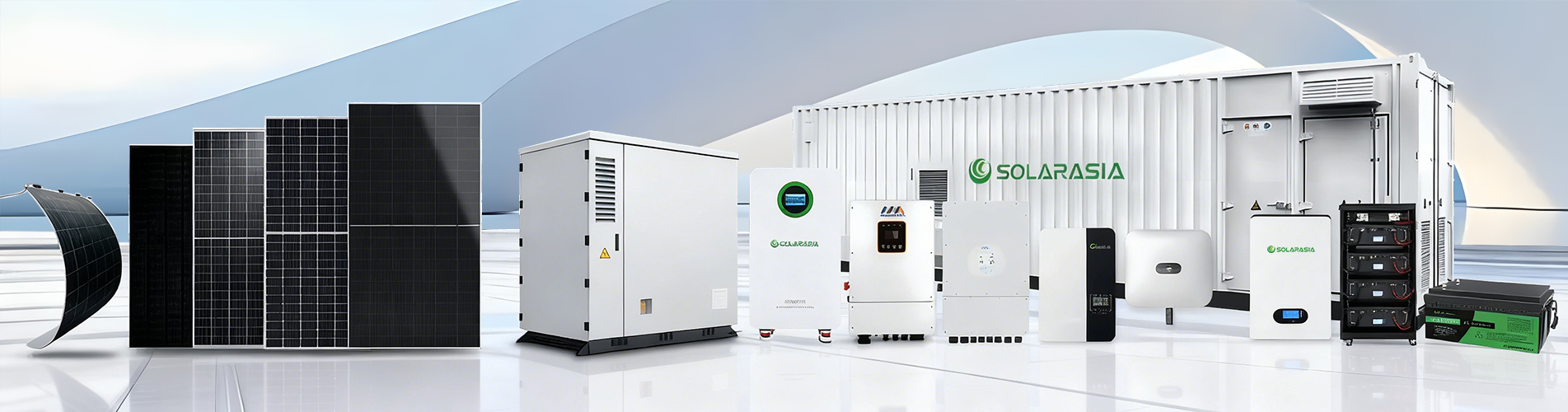
Battery Energy Storage System vs Generator: Which Backup Power Solution Is Better in 2026?
As businesses face rising electricity costs, grid instability, and increasing sustainability requirements, reliable backup power has become more important than ever. Traditionally, diesel generators have been the go to solution for emergency power. However, with rapid advancements in energy storage technology, many companies are now considering a Battery Energy Storage System (BESS) as an alternative.
So, which backup power solution is better in 2026: a battery energy storage system or a generator?
In this comprehensive guide, we'll compare both technologies in terms of cost, reliability, maintenance, environmental impact, and long-term value to help businesses make the right investment.
What Is a Battery Energy Storage System?
A Battery Energy Storage System (BESS) stores electricity in rechargeable batteries and supplies power when needed. These systems can work alongside:
Modern commercial battery energy storage systems use advanced lithium ion batteries and intelligent energy management software to optimize charging and discharging cycles.
Typical BESS Components:
Unlike generators, battery systems produce no direct emissions and operate silently.
What Is a Generator?
A generator converts fuel into electricity through an internal combustion engine.
Common generator fuel types include:
When a power outage occurs, generators automatically start and provide electricity to critical loads.
Generators have been widely used for decades in:
Although generators are reliable, they require fuel, regular maintenance, and produce emissions.
Battery Energy Storage System vs Generator: Key Differences
1. Power Source
| Feature | Battery Energy Storage System | Generator |
|---|---|---|
| Energy Source | Stored electricity | Diesel, gas, or fuel |
| Renewable Compatibility | Excellent | Limited |
| Fuel Dependency | No | Yes |
A battery energy storage system can be charged using solar panels or off-peak grid electricity, while generators rely entirely on fuel availability.
2. Response Time
One major advantage of BESS is its near instantaneous response.
| Feature | BESS | Generator |
|---|---|---|
| Startup Time | Milliseconds | 5–30 seconds |
For sensitive equipment such as:
even a few seconds of downtime can be costly.
Winner: Battery Energy Storage System
3. Operating Costs
Generators require continuous fuel consumption.In contrast, batteries store electricity and discharge it when needed.
Generator Operating Expenses:
BESS Operating Expenses:
Over time, commercial energy storage systems generally offer lower operational costs.
Winner: Battery Energy Storage System
4. Environmental Impact
Sustainability has become a major business priority in 2026.
Generator Emissions:
Battery Storage Benefits:
Companies pursuing ESG goals increasingly favor battery storage solutions.
Winner: Battery Energy Storage System
5. Maintenance Requirements
Generators contain many moving mechanical parts that require routine servicing.
Typical generator maintenance includes:
A battery energy storage system has significantly fewer moving components.
Typical BESS maintenance includes:
This reduces downtime and maintenance costs.
Winner: Battery Energy Storage System
6. Noise Levels
Noise can be a significant issue for commercial facilities.
| Solution | Noise Level |
|---|---|
| Generator | High |
| Battery Storage | Nearly Silent |
Battery systems are especially suitable for:
Winner: Battery Energy Storage System
7. Backup Duration
This is one area where generators still maintain an advantage.A generator can continue operating as long as fuel is available.
Battery backup duration depends on:
For example:
| System Size | Typical Backup Time |
|---|---|
| 100kWh BESS | 1–4 hours |
| 215kWh BESS | 2–8 hours |
| 1MWh BESS | Several hours to full day |
For long duration outages, some businesses combine batteries with generators.
Winner: Generator (for extended outages)
8. Integration with Solar Energy
Modern businesses are investing heavily in solar power.Battery systems integrate seamlessly with:
Generators cannot store excess solar energy.
A battery energy storage system allows businesses to:
Winner: Battery Energy Storage System
Why Businesses Are Switching to Battery Energy Storage in 2026
Several market trends are driving battery adoption:
Rising Fuel Costs:Diesel prices remain volatile worldwide, increasing generator operating expenses.
Falling Battery Prices:Lithium battery costs have decreased significantly over the past decade.
Government Incentives:
Many countries provide incentives for:
ESG and Sustainability Goals:Companies are under increasing pressure to reduce carbon emissions and improve energy efficiency.
As a result, industrial energy storage systems are becoming a strategic investment rather than simply a backup power solution.
Hybrid Solution: The Best of Both Worlds?
Many large commercial facilities now use a hybrid approach:
Battery + Generator
Benefits include:
This configuration is especially popular in:
Which Backup Power Solution Is Better in 2026?
The answer depends on your business requirements.
Choose a Battery Energy Storage System If You Want:
Choose a Generator If You Need:
Choose a Hybrid System If You Want:
Conclusion
When comparing a Battery Energy Storage System vs Generator, battery storage emerges as the preferred solution for many commercial and industrial applications in 2026.
With lower maintenance costs, zero local emissions, instant response times, and seamless integration with solar energy, battery storage offers significant long-term advantages. While generators still play a role in extended backup scenarios, the future of backup power is increasingly moving toward intelligent, sustainable energy storage solutions.
For businesses seeking lower energy costs, greater energy independence, and improved sustainability performance, investing in a Battery Energy Storage System may be one of the smartest decisions they make this decade.


Address : Room 908-909, Building 2, No. 469 Huatuo Lane, Shushan District, Hefei City, Anhui Province


Please read on, stay posted, subscribe, and we welcome you to tell us what you think.
Copyright 2026 @ Anhui Solarasia Energy Technology Co.,Ltd .All Rights Reserved. Sitemap | Blog | XML | Privacy Policy
 Network Supported