How Much Does a 100kW Solar System Cost in the USA?
Sep 03, 2026
For businesses considering solar energy, a 100kW solar system is a popular size for warehouses, factories, retail buildings, agricultural facilities, offices, and other commercial properties. However, the actual project price can vary significantly depending on equipment selection, installation conditions, location, permitting, electrical upgrades, and utility interconnection requirements.
As a general planning estimate, a complete 100kW solar system cost in the USA can often fall within approximately $120,000 to $220,000 before applicable incentives, depending on the project scope and local market conditions.
This is only a preliminary range rather than a fixed quotation. A commercial solar project should be evaluated based on the property's electricity consumption, available roof or ground area, local solar conditions, utility requirements, and selected equipment.
In this guide, we will explain what a 100kW solar system typically includes, how the project cost is calculated, and what businesses should consider before purchasing a system.
What Is a 100kW Solar System?
A 100kW solar system generally refers to a photovoltaic system with approximately 100 kilowatts of installed solar module capacity.
For example, depending on the module wattage, the system could use approximately:
143 × 700W solar panels
154 × 650W solar panels
167 × 600W solar panels
172 × 580W solar panels
The exact number of panels depends on the selected module power and the final system design.
A modern 100kW solar system may include:
Solar panels
Solar inverter or multiple inverters
Mounting structure
DC and AC cables
Combiner and protection equipment where required
Monitoring equipment
Electrical distribution equipment
Installation labor
Engineering and system design
Permitting and inspection
Utility interconnection work
Therefore, the cost of a 100kW project is much more than simply multiplying the price of solar panels by 100kW.
Estimated Cost Breakdown of a 100kW Solar System
The total cost of a commercial solar installation can be divided into several major categories.
Cost Component
Typical Share of Project
Solar Panels
25–35%
Solar Inverters
8–15%
Mounting System
8–15%
Electrical Equipment & Wiring
8–12%
Engineering & Permitting
5–10%
Installation Labor
15–25%
Other Project Costs
5-10%
These percentages are general planning references. Actual costs can be different depending on project location, system type, equipment brand, roof structure, labor rates, and interconnection requirements.
1. Solar Panels
Solar modules are one of the largest equipment costs in a PV system.
For a 100kW project, high-power N-type TOPCon modules can reduce the number of panels required compared with older, lower-wattage modules. This can be particularly useful when rooftop space is limited.
For example, using 700W modules would require approximately 143 panels to reach about 100kW of DC capacity.
When comparing modules, businesses should consider more than the price per watt. Important factors include:
Module efficiency
Temperature coefficient
Product warranty
Power degradation
Mechanical load rating
Bifacial performance
Manufacturer reliability
Availability and delivery time
A lower module price does not necessarily mean a lower total project cost.
2. Solar Inverter Cost
The inverter converts the DC electricity produced by the solar panels into AC electricity that can be used by the building or exported to the grid.
For a 100kW commercial installation, the system may use one larger commercial inverter or several smaller inverters depending on the project design.
The choice of inverter affects:
System efficiency
MPPT configuration
Installation flexibility
Monitoring
Maintenance
Grid compatibility
Future expansion
For commercial projects, it is important to select an inverter that matches the solar array, electrical infrastructure, and local grid requirements.
3. Mounting and Electrical Equipment
The mounting system and electrical balance-of-system equipment are also important parts of the total project price.
A rooftop project may require:
Roof mounting structures
Rails and clamps
DC cables
AC cables
Disconnects
Circuit protection
Grounding equipment
Electrical panels
Monitoring devices
A ground-mounted system can require additional structural components, site preparation, trenching, and other construction work.
This is one reason why two 100kW projects can have very different final prices even when they use similar solar panels.
What Factors Affect the Cost of a 100kW Solar System?
There is no single nationwide price for a 100kW solar installation in the United States.
Several factors can have a major impact on the final quotation.
1. Project Location
Labor costs, permitting requirements, electricity rates, weather conditions, and utility regulations differ from state to state.
For example, installation costs in a major metropolitan area may be significantly different from those in a less densely populated region.
Local permitting and utility interconnection requirements can also add engineering and administrative costs.
2. Rooftop or Ground Mount
A rooftop system and a ground-mounted system have different cost structures.
Rooftop Solar
Advantages may include:
Better use of existing building space
No additional land acquisition
Potentially shorter electrical connections
Good option for warehouses and factories
However, the roof must be inspected for structural strength, age, condition, and accessibility.
Ground-Mounted Solar
Ground-mounted systems can provide easier access and more flexibility in system layout, but they may require:
Land preparation
Structural foundations
Trenching
Additional cabling
Fencing
Site development
Therefore, the installation environment should be evaluated before comparing prices.
3. Solar Panel Efficiency
Higher-efficiency solar panels can generate more electricity from the same amount of roof space.
This is especially important for commercial buildings with limited available roof area.
For example, a business with a large roof may prioritize the lowest total system cost, while a business with limited roof space may benefit more from high-efficiency modules.
The best solution should balance:
Module efficiency + price per watt + available area + expected energy production.
4. Electrical Infrastructure
A 100kW PV system can place additional requirements on the building's electrical infrastructure.
Depending on the existing system, a project may require:
Main panel upgrades
Transformer upgrades
New switchgear
Additional disconnects
Electrical protection
Utility meter modifications
These upgrades can have a significant impact on the final 100kW solar system cost.
This is why a professional site assessment is recommended before purchasing equipment.
How Much Electricity Can a 100kW Solar System Produce?
The annual energy production of a 100kW PV system depends heavily on location.
Factors include:
Solar irradiance
Weather
System orientation
Tilt angle
Shading
Module efficiency
Inverter efficiency
Temperature
System losses
As a broad planning example, a 100kW system could potentially generate around 120,000–170,000 kWh per year in many U.S. locations, although actual production may fall outside this range.
A system in a high-solar-resource location may generate considerably more electricity than a similar installation in an area with lower solar irradiance.
For a commercial project, production should be calculated using location-specific solar data rather than relying on a national average.
Is a 100kW Solar System Suitable for a Business?
A 100kW system can be a good fit for businesses with substantial daytime electricity consumption.
Typical applications include:
Warehouses
Warehouses often have large rooftop areas that can accommodate a significant number of PV modules.
Manufacturing Facilities
Factories may have high electricity consumption from machinery, motors, HVAC systems, and production equipment.
Retail Buildings
Solar can help businesses offset daytime electricity consumption, particularly where air conditioning and refrigeration loads are significant.
Agricultural Facilities
Farms, greenhouses, irrigation facilities, and agricultural processing operations can also be suitable applications.
Offices and Commercial Buildings
Buildings with significant HVAC, lighting, and equipment loads may benefit from commercial PV generation.
The ideal system size should always be determined by electricity consumption, available installation space, utility rules, and financial objectives.
How Can Businesses Reduce the Cost of a 100kW Solar Project?
Businesses looking to control project costs should consider the total cost of ownership rather than focusing only on the initial equipment price.
Compare Equipment Based on Value
When purchasing solar panels and inverters, compare:
Price per watt
Efficiency
Warranty
Expected degradation
Product availability
Technical support
Delivery time
A slightly higher upfront equipment cost can sometimes provide better long-term value.
Optimize System Design
Good system design can reduce unnecessary costs.
For example, selecting the right module wattage may reduce the number of panels, mounting components, connectors, and labor hours required.
Similarly, selecting an appropriate inverter configuration can simplify installation and maintenance.
Work With an Experienced Solar Supplier
For commercial projects, equipment procurement can represent a substantial part of the overall project budget.
Working with an experienced supplier can help EPC companies and installers compare different module and inverter configurations and develop a more suitable equipment package.
What About Solar Battery Storage?
A standard grid-connected PV system does not necessarily require batteries.
However, businesses may consider adding a battery energy storage system when they want to:
Store excess solar electricity
Increase solar self-consumption
Reduce peak demand
Improve backup power capability
Manage energy usage
Support specific grid or operational requirements
A solar-plus-storage system will have a higher upfront cost than a PV-only system, but it can provide additional energy management capabilities.
For larger commercial projects, battery capacity should be selected according to the business's load profile, electricity tariff structure, backup requirements, and operating objectives.
What Is the Payback Period for a 100kW Solar System?
The payback period varies considerably from one project to another.
A simple calculation is:
Payback Period = Net Solar Project Cost ÷ Annual Electricity Cost Savings
However, this calculation is only a starting point.
A more complete financial analysis should consider:
Local electricity prices
Annual solar production
Self-consumption rate
Export compensation
Demand charges
System degradation
Maintenance
Financing
Applicable incentives
Utility rate changes
For this reason, businesses should evaluate a solar investment using a project-specific financial model instead of relying on a general national payback estimate.
What Should You Ask a Solar Supplier Before Buying?
Before purchasing equipment for a 100kW project, commercial buyers should ask the supplier for detailed technical and commercial information.
Important questions include:
About Solar Panels
What is the module power rating?
What is the module efficiency?
What type of solar cell technology is used?
What are the product and performance warranties?
What is the expected delivery time?
About Inverters
What is the inverter rated output?
How many MPPTs are available?
What is the maximum PV input?
Is the inverter compatible with the local grid?
What monitoring functions are included?
About the Project
What equipment is included in the quotation?
Does the quotation include mounting structures?
Are cables and protection devices included?
What engineering services are available?
What are the shipping terms?
Is technical support available after delivery?
Getting a detailed bill of materials is important when comparing quotations from different suppliers.
Why Choose SolarAsia Power for Solar Equipment?
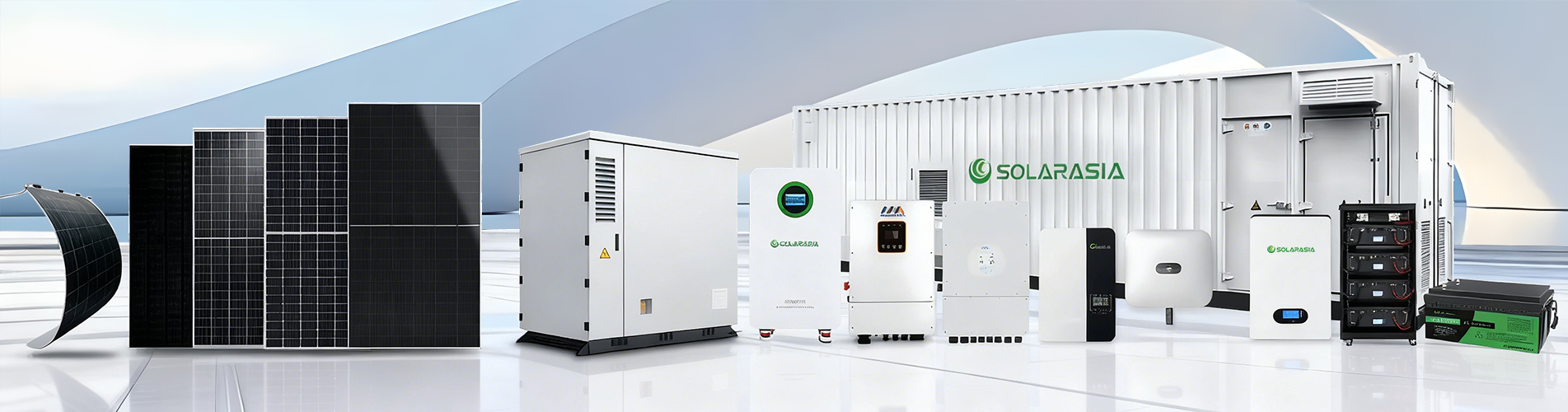
Anhui Solarasia Energy Technology Co., Ltd., operating under the SolarAsia Power brand, provides solar energy products and system solutions for international customers.
Our product portfolio covers:
Solar panels
Solar inverters
Lithium battery storage
LiFePO4 batteries
Residential energy storage
Commercial and industrial energy storage
Complete solar energy system solutions
For EPC contractors, distributors, wholesalers, installers, and commercial solar buyers, sourcing the right combination of PV modules, inverters, and energy storage equipment is essential for building a reliable project.
SolarAsia Power can support customers with equipment selection and customized solar energy solutions based on project requirements.
Final Thoughts: How Much Should You Budget for a 100kW Solar System?
So, how much does a 100kW solar system cost in the USA?
As a preliminary planning range, a complete 100kW commercial PV project may cost approximately $120,000–$220,000 before applicable incentives, but the final price can be substantially different depending on location, equipment, installation conditions, electrical upgrades, permitting, and utility interconnection requirements.
The most important point is that the lowest equipment price does not always produce the lowest overall project cost.
For businesses, EPC contractors, and solar installers, the best approach is to compare the complete system:
Solar panels + inverter + mounting + electrical equipment + engineering + installation + grid connection
rather than evaluating individual components alone.
If you are planning a 100kW solar system for a warehouse, factory, commercial building, or other business in the USA, obtaining a project-specific equipment list and quotation is the best way to determine the actual investment required.
SolarAsia Power can provide solar panels, inverters, batteries, and other equipment for commercial solar projects and help international buyers select suitable products according to their project requirements.






 Network Supported