News

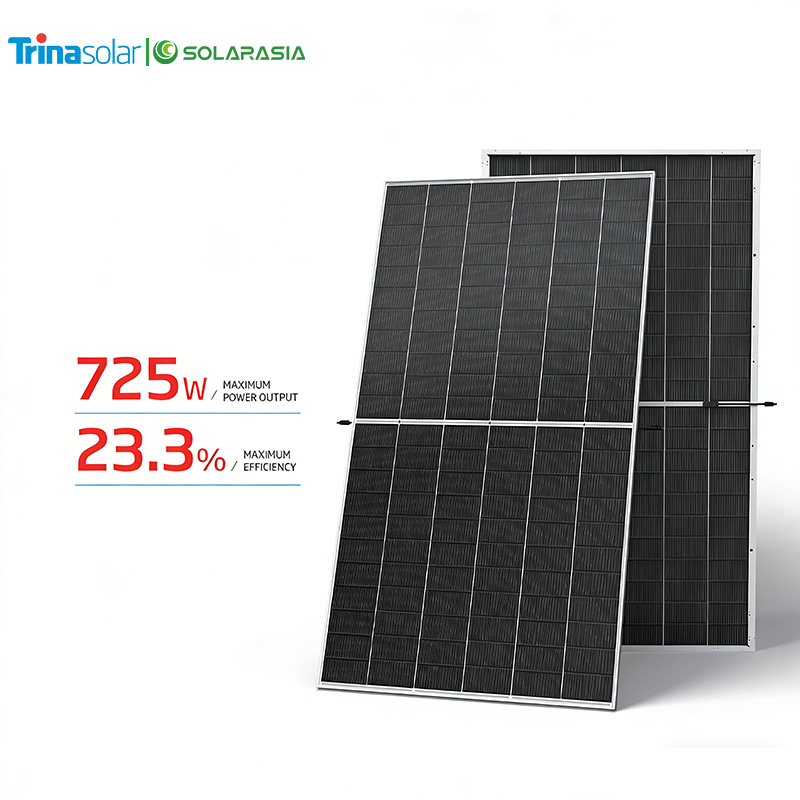
With the increasing sophistication of renewable energy technologies, photovoltaic (PV) power systems have become the green energy solution of choice for many homes and businesses. In this system, photovoltaic panels play a key role in converting solar energy into electricity, while the battery is an important component in storing this electricity for emergencies. So how do PV panels charge the batteries? This paper explores in detail the working principle, practical applications and optimisation strategies of this process. First, the basic principle of photovoltaic panels to charge the battery Photovoltaic panels, also known as solar panels, are made up of multiple solar cells. When sunlight hits the photovoltaic panel, photons hit the silicon atoms in the cell sheet, causing them to release electrons. These free electrons form an electric current, known as a photovoltaic current, inside the cell sheet. The photovoltaic panel draws this current through the positive and negative electrodes, supplying it to external circuits. A battery, on the other hand, is a device capable of storing electrical energy, which is converted into chemical energy and stored through an internal chemical reaction. When electricity is needed, the battery converts the chemical energy into electrical energy and releases it through a reverse reaction. In a photovoltaic power generation system, the photovoltaic panel is connected to the battery through a controller. The role of the controller is to regulate the output voltage and current of the photovoltaic panel to match the charging requirements of the battery. When the sun is sufficient, the current generated by the PV panel is regulated by the controller to charge the battery. When the battery is fully charged, the controller automatically cuts off the charging circuit to prevent overcharging from damaging the battery. Second, Precautions in practical application Matching problem: When choosing PV panels and batteries, make sure that their parameters such as voltage, current and capacity are matched. If the output voltage of the PV panel is too high or too low, it may affect the charging effect and life of the battery. Installation environment: The installation location of PV panels should try to choose a sunny and unobstructed place to improve the photoelectric conversion efficiency. At the same time, also pay attention to the tilt angle and orientation of the PV panel, these factors will affect its power generation effect. Controller selection: the controller in the photovoltaic power generation system plays a key role, to choose the quality of reliable, functional controller. Some advanced controllers also have anti-reverse charge, anti-overcharge, anti-over-discharge and other protection functions, can better protect the battery. Optimisation Strategies and Recommendations Regular inspection and maintenance: in order to ensure the normal operation of the PV power generation system, the working status of components such as PV panels, batteries and controllers should be checked regularly. If any abnormality is found, they should be repaired or replaced in time. Intelligent charging management: With the development of IoT technology, some advanced charging management systems are able to realise remote monitoring and intelligent charging. These systems can automatically adjust the output of PV panels and the charging strategy of batteries according to real-time weather, electricity demand and other factors to improve energy utilisation efficiency. Diversified energy supply: Where conditions permit, consideration can be given to combining photovoltaic power generation systems with other renewable energy technologies (e.g., wind, water, etc.) to form a diversified energy supply system. This will not only improve the stability of energy supply, but also reduce the risk of dependence on a single energy source. In conclusion, the process of charging batteries with PV panels involves the collaborative work of multiple links and components. To ensure the smooth running of this process, it requires in-depth exploration and continuous improvement at multiple levels, including principle, practice and optimisation. With the continuous progress and innovation of science and technology, it is believed that photovoltaic power generation systems will create a greener and more sustainable energy future for mankind in the future.
view more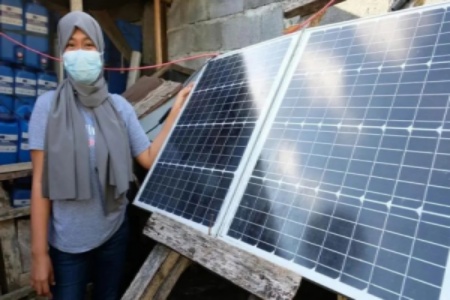
To mitigate the possible impact of the El Niño phenomenon on summer-season power and to reduce the dependence of households on the grid for electricity, the Philippine Energy Regulatory Commission (ERC) is encouraging the public to use solar home systems. The ERC noted that the licensing process for the installation of solar panels on homes has been simplified. In addition, the authority has partnered with various local governments to set up a one-stop office to facilitate applicants in obtaining permits for the installation of solar home systems. The agency noted, "Applicants who want to obtain a licence no longer need to travel to the Energy Regulatory Commission's head office; they can go directly to the one-stop office of the local government and quickly go through the licence process." Meanwhile, the authority will also work with the state-owned LandBank to provide assistance in funding for households interested in installing residential solar power, as well as develop projects to assist cooperatives in solving any energy problems that may arise during the dry season. Earlier, the Philippine Department of Science and Technology (DOST) said the country will feel the strong effects of El Niño in the first or second quarter of 2024. It noted that 65 provinces in the country will face drought by the end of May. President Marcos has previously stressed the importance of having a steady supply of water and electricity during El Niño.
view more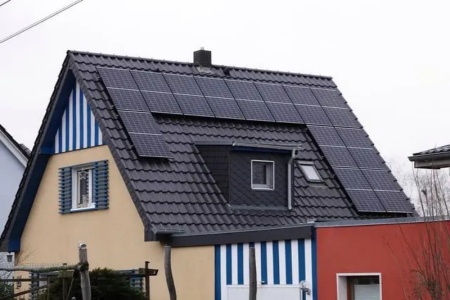
The latest report released by the German Federal Union of the Solar Energy Industry (Bundesanstalt für Sozialwirtschaft) shows that more than one million sets of solar energy systems will be newly installed in Germany in 2023 for power generation or heating, which is a record high. The report points out that Germany currently has about 3.7 million sets of solar energy systems, last year's total power generation was 62 billion kWh, covering 12 per cent of Germany's total electricity consumption.
view more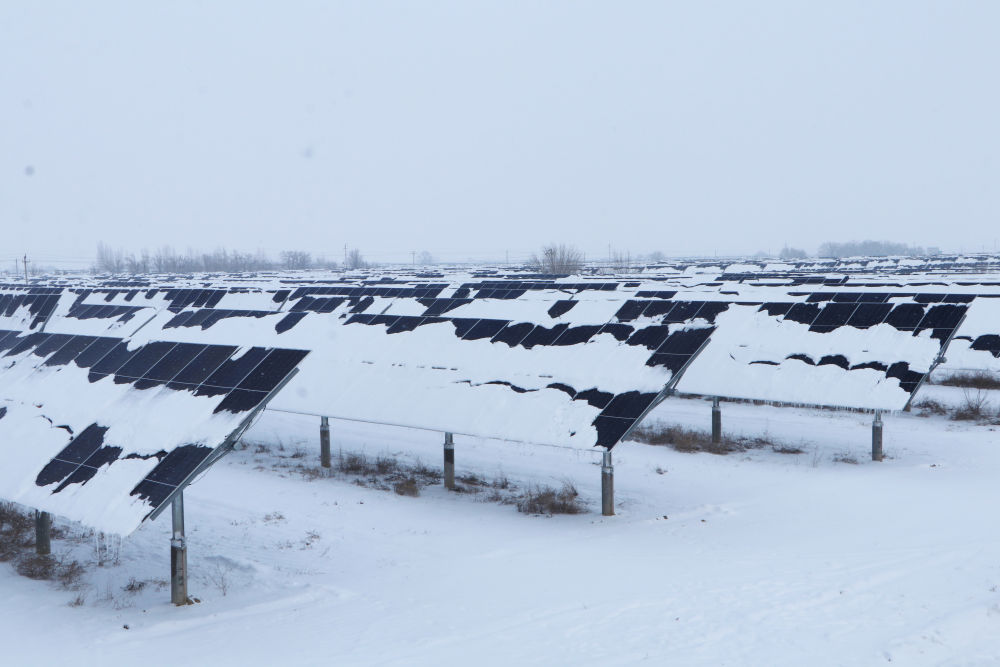
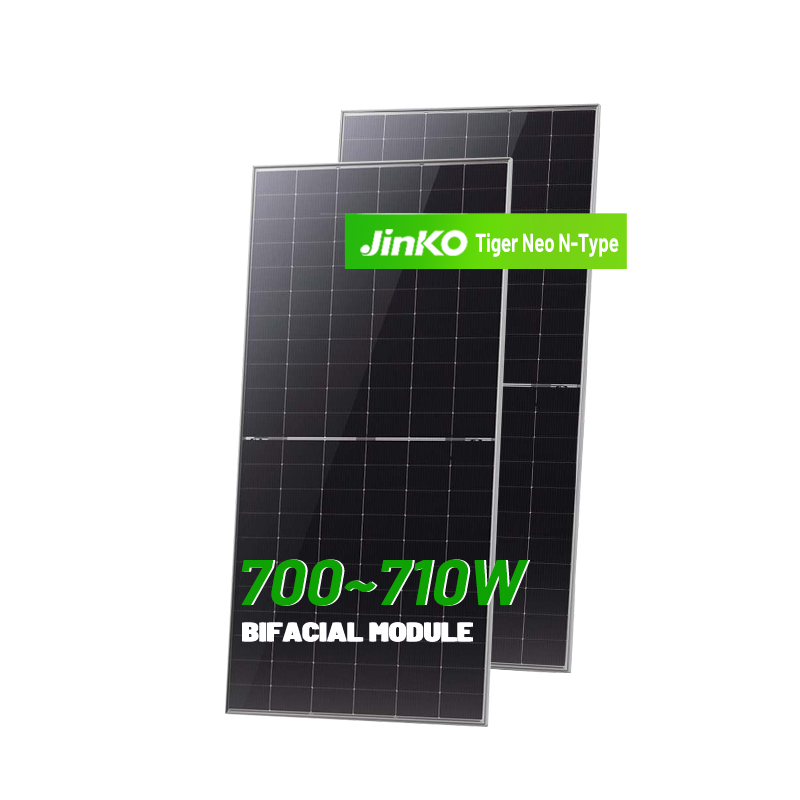
Come to a photovoltaic base in Shihezi City, Xinjiang, the surrounding goose feather snow, the temperature fell to minus ten degrees Celsius, but some of the photovoltaic panels on the snow has melted part of it. This is thanks to the double-glass components so that the photovoltaic panels double-sided power generation. According to the base of the relevant person in charge of Wang Runsheng introduction, the sunlight through the snow, land diffuse reflection to the back of the photovoltaic panels, on the one hand, solar energy can be converted into electricity, on the other hand, the heat generated by the power generation process will melt the photovoltaic panels on the front of the snow. "Our base covers an area of more than 30,000 acres . Because of the low efficiency of manual clearing of large areas, the use of double-sided double-glazed photovoltaic panels can reduce snow cover and can effectively improve the efficiency of power generation in snowy days." "If a region's power generation is monitored to be abnormal, the operation and maintenance personnel can patrol the drone and combine it with infrared map analysis in order to locate the faulty PV panels and carry out timely maintenance." Wang Runsheng said, "This approach has a wider field of view and higher accuracy than manual patrols, and less than 10 people can complete the daily inspection and maintenance of the entire base project." Project data show that the photovoltaic base investment totalled 4.8 billion yuan, equipped with a booster station, electrochemical energy storage system, etc. Construction began at the beginning of this year, and nearly all of them are connected to the grid. It is expected to provide around 2.1 billion kilowatt-hours of green power annually, accounting for about 4.5 percent of Shihezi's 2022 power generation, equivalent to an annual saving of about 650,000 tonnes of standard coal. China's Xinjiang has abundant sunshine and solar energy resources. In recent years, Xinjiang to speed up the pace of photovoltaic industry layout, from equipment manufacturing, industrial support and other aspects of force, help solar energy resources into development advantages. As of early December, Xinjiang's new energy scale ranked first in the country.
view more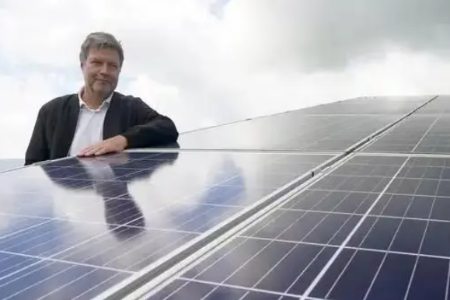
In recent times, the German government frequently rumours in the field of solar energy to reduce the so-called "dependence on China" sound. Local time on December 17, the German economy minister Habeck (Green Party) accepted the German media "German editorial network" (RND) interview, said he plans to provide state subsidies to strengthen the power of the country's solar energy manufacturers, and compete with Chinese manufacturers. "German solar products comply with certain criteria that products from other countries do not, for example, German manufacturers often operate efficiently without the use of hazardous chemicals ......," Habeck said, therefore, German manufacturers "should be rewarded for this resilient contribution." Habeck said he plans to subsidise local solar manufacturers at the national level through Germany's Renewable Energy Act, and that "the current parliamentary proposal for a 'solar package' makes the implementation of state subsidies possible". The RND reports that the "solar package" was originally scheduled to come into force at the beginning of this year, but discussions in the German Bundestag have been postponed until around January next year. In any case, we have the firm goal of realising the planned projects," says Habeck. We have strong and innovative companies, and other companies that want to invest here are also interested. We should make the most of it." He also called on German manufacturers to actively market their products, for example, by "launching a drive to provide special offers for German products." Habeck emphasised the importance of the solar sector for job creation, and that "it is important for Germany that domestic products have at least a basic share of the domestic market". It is also a question of economic security, he said, "We cannot rely entirely on imports." Initially, the German Federal Ministry of Economics planned to use 1.3 billion euros (about 10 billion yuan) to provide subsidies for German manufacturers, and asked the states to provide financing schemes for the local photovoltaic industry. But the German Constitutional Court ruled last month to cut most of the budget of the German government's proposed "Climate and Transition Fund". Now, the Ministry of Economy wants Parliament to adopt a "solar package" to continue to support domestic manufacturers. Not only Germany, the European Union has recently been planning a similar subsidy programme. Reuters reported in October that in recent years, China's solar panels to European manufacturers brought "enormous price pressure". Germany, led by the European Union countries are trying to reduce dependence on China in the field of solar energy, plans to use subsidies or "tariff peaks" and other tools to protect the European Union photovoltaic enterprises. Data from the European Commission show that more than 90 per cent of the silicon ingots and wafers used to manufacture solar panels in the European Union come from China. Currently, there is an oversupply and low prices of solar panels in Europe. The European Solar Manufacturing Commission (ESMC) said that prices have fallen from a peak of about 0.24 euros per watt at the beginning of the year to about 0.15 euros, while European manufacturers priced at 0.30 euros. However, some industry insiders revealed that there are differences within the German enterprises, and some installers questioned the move as trade protection. At the same time, some European solar companies also grouped to express opposition. Swiss photovoltaic executives said that tariffs are not the optimal solution to the current challenges, while the European Photovoltaic Industry Association warned that a potential tariff war would lead to a "lose-lose" situation and seriously undermine Europe's ability to deploy clean energy.
view more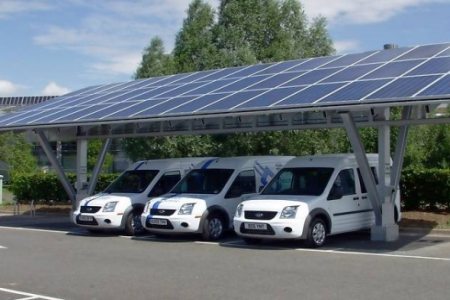
Required Certification! ETN Certification for PV Racking Systems for Rooftop Projects in France After Intersolar 2023 in Munich, Germany, the French ETN certification for PV module racking systems has been on the radar of more and more Chinese racking manufacturers. As of September 2023, although no Chinese racking manufacturer has yet obtained the French ETN certification, more and more Chinese racking manufacturers in the market have started to enquire about or plan for the certification application, planning to enter the French rooftop market. At the same time, most Chinese module manufacturers are also arranging to enter the ETN white list of French racking manufacturers in order to gain entry into the French rooftop and car park PV roofing market. What is the French ETN certification for racking systems? ETN (Etude de Technique Nouvelle) - Etude de Technique Nouvelle - is a technical study carried out by the French Control Office and the Centre de Science et Technique de la Construction (CSTC) on the compatibility of the racking system and PV modules, checking the overall system's waterproofing, mechanical resistance, protection against wind, resistance to compression, fire risk, and other key points and feasibility in different geographical areas. The ETN certification for mounting systems in France is awarded to the manufacturer of the mounting system by a qualified certification body after testing and evaluating the mounting system and its matching components. ETN certified mounting manufacturers can work with different PV module manufacturers to add their modules to the white list of mounting installers, proving the compatibility of the modules and the mounting system. In terms of necessity, before implementing a French rooftop PV and carport PV installation project, the installer's insurance company usually requires an ETN certification from the racking system manufacturer, as well as verification that the module products used in the project have been entered into the whitelist of that racking manufacturer, in order to validate the safety of the installation system and grant the installer ten years of insurance coverage. Without ETN certification, neither the bracket manufacturer nor the module manufacturer can be on the installer's supplier list. ETN certification is therefore essential for both bracket and component manufacturers entering roofing and carport projects in France.
view more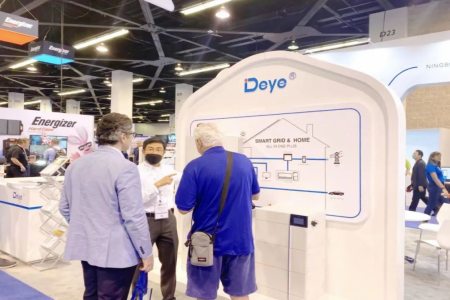
At the Q3 2023 earnings briefing held this afternoon, DEYE Vice Chairman and General Manager Zhang Dongye said, "The incident in Germany has been properly handled, and this incident only affects the sales of the company's micro-inverter products in Germany in the short term. At present, the company has launched a new generation of micro-inverter products, and the market is recovering gradually. At present, the company's European inverter inventory is small, but the industry inventory is still in the process of selling and it is expected that it will be able to adjust to the normal state within one to two quarters (next year)." In July this year, DEYE was exposed to the existence of microinverters produced and sold that were inconsistent with certification. DEYE then announced that the company's microinverter products sold to Germany lacked relays due to the deviation in the understanding of the relevant personnel of the company of the differences between the VDE4105 and UL1741 standards, and in consideration of the service life of the products.
view more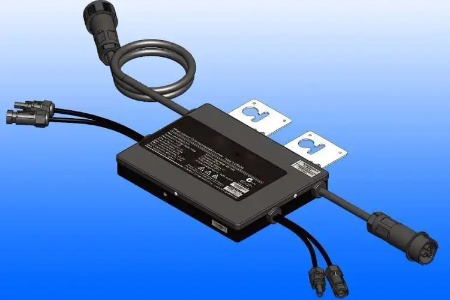
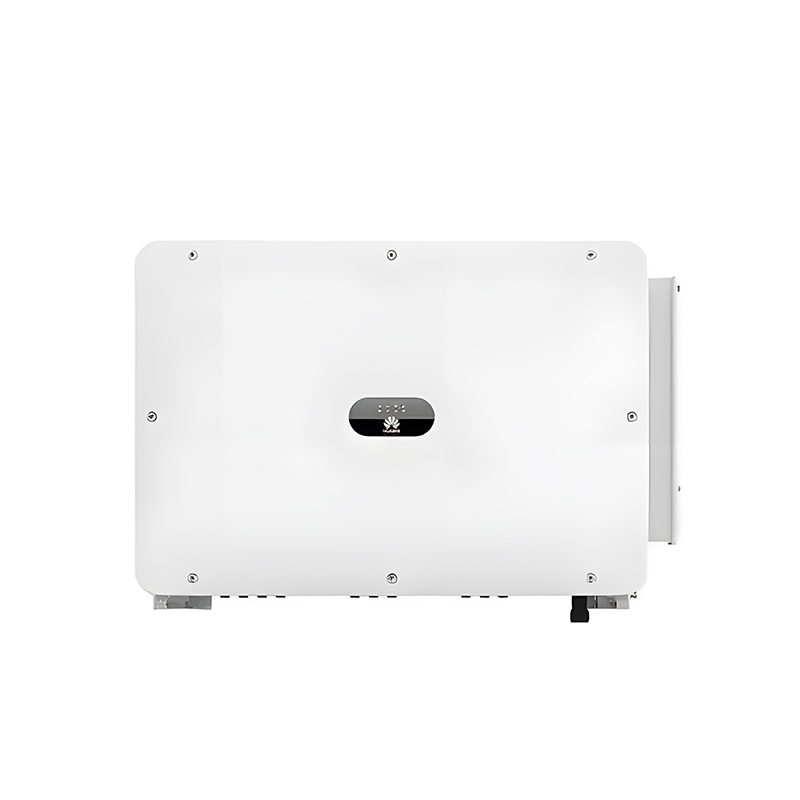
Micro inverter: DC-AC, converts direct current (DC) to alternating current (AC) and functions in the same way as a string inverter, except that because of its small size, it can be mounted directly underneath solar PV panels. Micro inverters can use solar energy to convert to AC power for people's daily use. Micro-inverters are classified as single-phase and three-phase. Single-phase micro-inverters are suitable for residential neighbourhoods and small businesses. Three-phase micro-inverters are a bit higher than single-phase in terms of performance and stability and efficiency, and are suitable for commerce and industry. Each solar panel is directly connected to a micro-inverter in parallel connection. The form of micro-inverters can be set up as one to one (each micro-inverter is connected to one PV module), one to two, one to three, one to four, etc., depending on the microgrid model. String inverters are installed in series with the solar panels, so the amount of power generated by each panel is limited, and the amount of power generated at the top of the house will be lower. Micro-inverters have the advantage of being simpler to install, monitoring and optimising each solar panel individually to achieve the highest efficiency in solar energy usage.
view more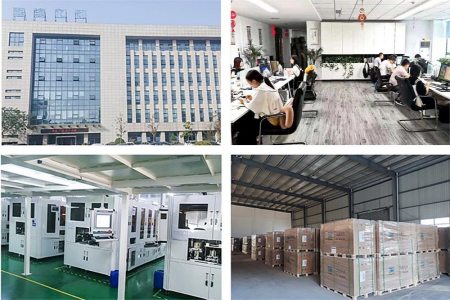
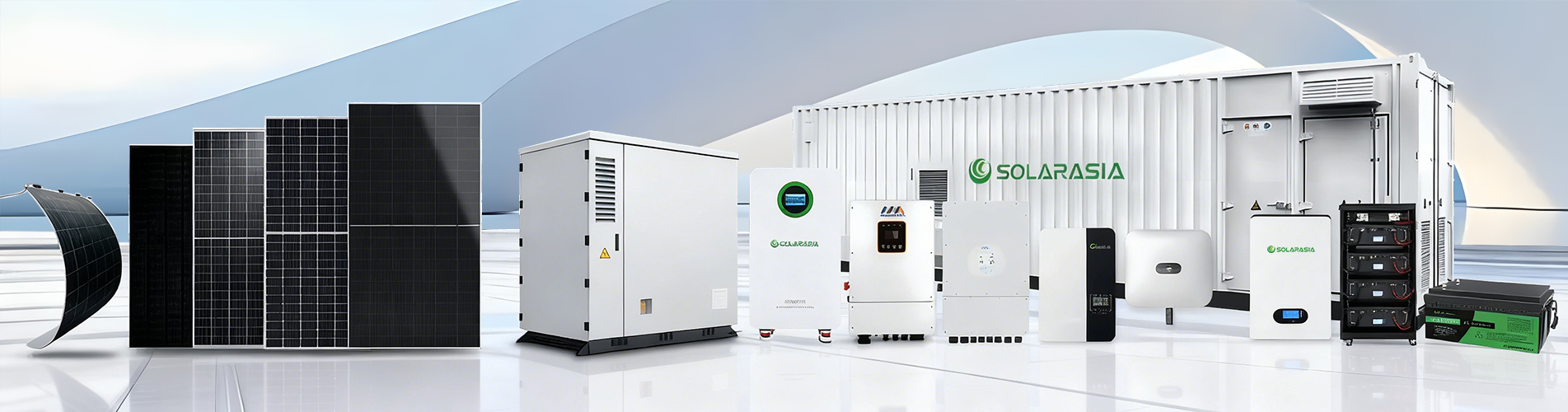
Anhui Solarasia Energy Technology Co., Ltd, is a company specializing in the R&D, sales, installation, operation, and maintenance of new energy products. Founded in 2016, the company is located in Hefei, Anhui Province, and its main products include solar panels, solar inverters, photovoltaic systems, lithium batteries, gel batteries, and other solar products. This company can also provide customized services according to the customer’s needs. Solarasia cooperates closely with tier-1 brands like Jinko, Longi, Trina, Sungrow, Huawei, Deye, and Growatt. The company has powerful R&D technology, adopts strict management measures, and passes ISO9001, ISO14001, and ISO45001 Certification System. The factory has a strong production capacity and advanced design capabilities by introducing advanced automatic production lines and testing equipment as well as has multiple product patents. In recent years, this company has exported solar products to more than 100 countries including the United States, Germany, South Africa, Romania, Vietnam, Lebanon, and New Zealand, and won the customer's praise. Furthermore, we have skilled engineers and professional sales consultants who will provide customers with timely pre-sale, in-sale, and after-sale services with professional knowledge and rich experience.
view more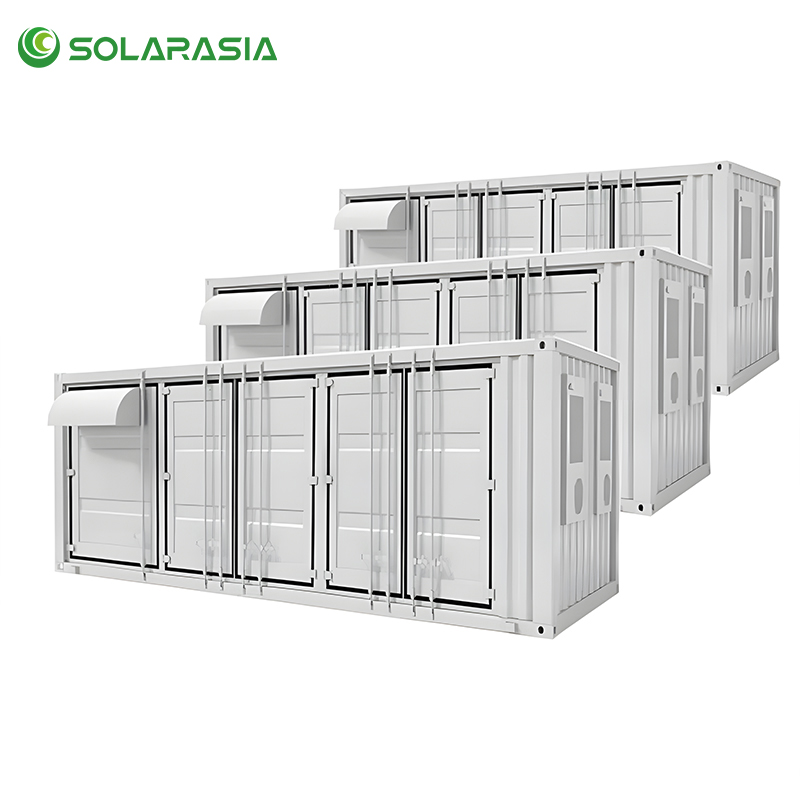
As energy costs continue to rise worldwide, more businesses are looking for reliable and cost effective solar solutions. For commercial and industrial users, selecting the right solar power system is a key decision that affects long term operating costs and energy stability. A well planned commercial solar power solution helps businesses reduce electricity expenses while improving energy independence. The first step in choosing a suitable system is understanding the application scenario. Industrial facilities warehouses and commercial buildings often have different load profiles and operating hours. Matching system capacity with actual energy demand ensures stable performance and avoids unnecessary investment. A properly designed solar power system for industrial use delivers higher efficiency and better return on investment. System configuration is another critical factor. Most commercial projects require three phase inverters and scalable system architecture. Many businesses also choose to integrate energy storage to improve peak load management and backup power capability. Combining solar generation with storage creates a more flexible industrial solar energy solution that supports both cost savings and operational continuity. Working with an experienced supplier ensures system reliability and compliance with international standards. Professional design technical support and quality components are essential for long term system performance. For businesses planning sustainable growth, investing in the right solar power solution is a strategic move toward energy security and environmental responsibility.
view more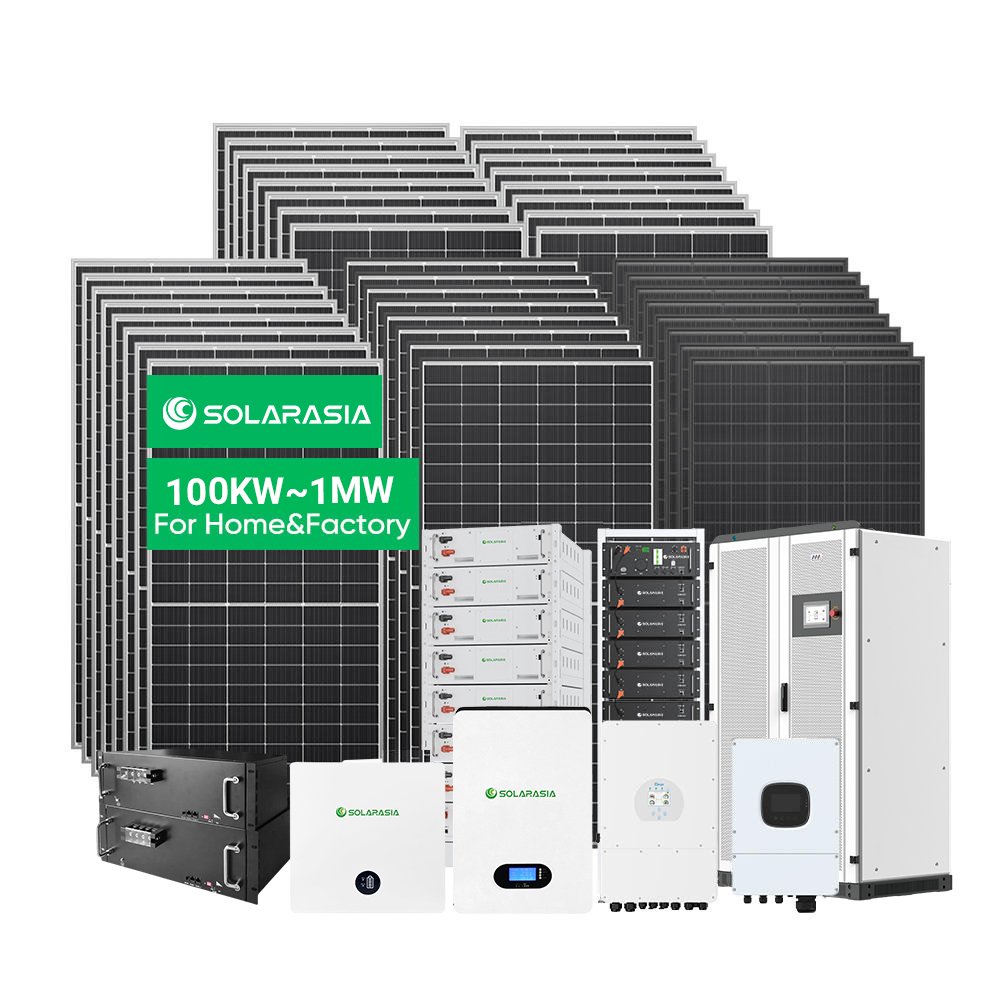
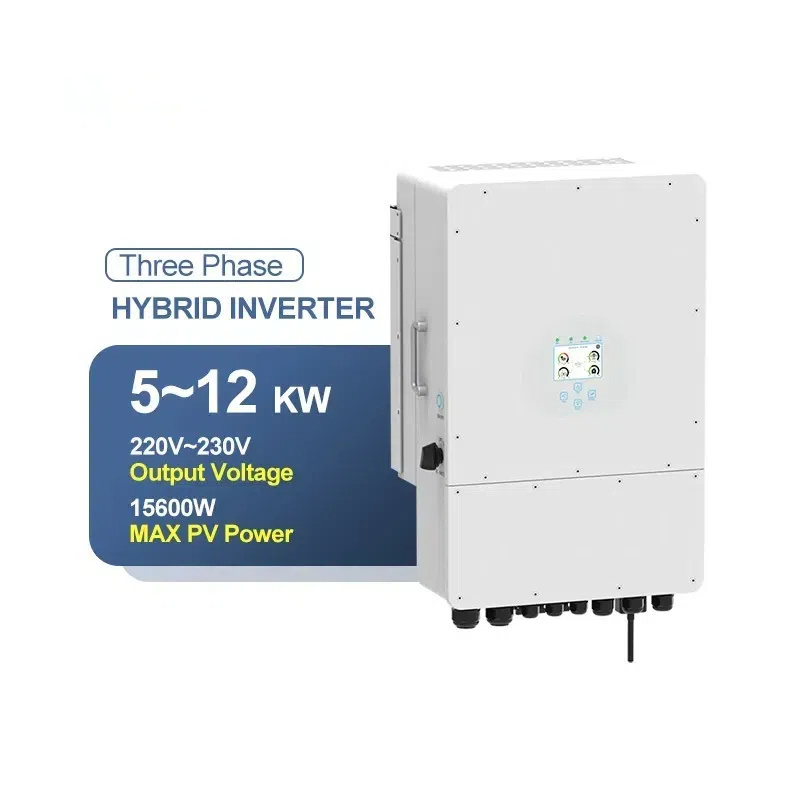
As global energy costs continue to rise, more homeowners, businesses, and project developers are turning to solar power systems as a long term and cost effective energy solution. However choosing the right solar power system is not always simple. System size application scenarios grid connection type and battery storage all play an important role in final performance and return on investment. In this guide we explain how to choose the right solar power system for your project in 2026 and what key factors you should consider before making a decision. Identify Your Application Scenario The first step in choosing a solar power system is to clearly define where and how it will be used. Different application scenarios require different system designs and configurations. Solar power systems are commonly used for residential homes commercial buildings factories warehouses farms agricultural irrigation and remote off grid areas. For example a commercial solar system designed for a factory usually requires a higher capacity system ranging from 50 kilowatts to several hundred kilowatts and often uses three phase inverters. In contrast a residential solar system is typically designed between 5 kilowatts and 15 kilowatts depending on household electricity consumption. Choose the Right Type of Solar Power System Solar power systems are generally divided into three main types based on grid connection and energy storage configuration. An on grid solar system is connected directly to the public utility grid. It does not require battery storage and has a relatively low initial investment cost. This type of system is suitable for areas with stable and reliable grid power. An off grid solar system operates independently without connection to the grid. It requires battery storage to supply electricity at night or during cloudy conditions. Off grid systems are ideal for remote locations where grid access is unavailable or unreliable. A hybrid solar system combines both grid connection and battery storage. It allows users to store excess energy and provides backup power during grid outages. In 2026 hybrid solar systems are becoming increasingly popular for both residential and commercial applications due to their flexibility and energy security benefits. Determine the Required System Capacity System capacity is typically measured in kilowatts and should be selected based on actual daily energy consumption and load characteristics. For home use a system between 5 kilowatts and 10 kilowatts is usually sufficient. Small businesses may require systems between 10 kilowatts and 30 kilowatts. Commercial projects often range from 50 kilowatts to 200 kilowatts while large industrial projects may exceed 200 kilowatts. Choosing the correct system size is critical. Oversizing increases investment costs while undersizing limits energy output and performance. A professional load calculation helps ensure the system matches real energy demand. Select the Right Solar Inverter The solar inverter is the core component of the entire system. It converts direct current electricity generated by solar panels into alternating current power that can be used by electrical equipment. When selecting a solar inverter it is important to consider whether the system requires single phase or three phase output whether it is designed for on grid off grid or hybrid operation and whether it supports battery integration. Local grid standards such as those in the United States Europe or Australia should also be taken into account. For commercial and industrial projects three phase hybrid solar inverters are widely used due to their high efficiency stable operation and compatibility with energy storage systems. Consider Battery Storage Solutions Battery storage is becoming an essential part of modern solar power systems especially for hybrid and off grid applications. Common battery technologies include lithium iron phosphate batteries gel batteries and AGM batteries. Among these lithium batteries are increasingly preferred due to their long lifespan high efficiency low maintenance requirements and compact design. They are well suited for both residential and commercial solar energy storage applications. Evaluate System Quality and Supplier Capability Choosing a reliable solar power system supplier is just as important as selecting the right system components. A professional supplier should be able to provide customized system design certified products technical documentation and long term technical support. Project experience product certifications and after sales service capability are key indicators of a supplier’s reliability. A complete solution reduces installation risks and helps ensure stable long term system performance. Why Customized Solar Solutions Matter Every solar project has unique requirements. Customized solar power systems are designed according to specific load conditions installation environments and budget considerations. A customized solution ensures optimal energy output better return on investment compliance with local regulations and flexibility for future system expansion. Standardized packages may not always deliver the best results in real world applications. Conclusion Choosing the right solar power system in 2026 requires a clear understanding of application scenarios energy demand system configuration and long term goals. From system type and inverter selection to battery storage and supplier capability each factor plays a critical role in overall performance. A well designed solar power system not only reduces electricity costs but also provides reliable and sustainable energy for many years. Working with an experienced solar solution provider helps ensure the success of residential commercial and industrial solar projects.
view more
Address : Room 908-909, Building 2, No. 469 Huatuo Lane, Shushan District, Hefei City, Anhui Province


Please read on, stay posted, subscribe, and we welcome you to tell us what you think.
Copyright 2026 @ Anhui Solarasia Energy Technology Co.,Ltd .All Rights Reserved. Sitemap | Blog | XML | Privacy Policy
 Network Supported