
Commercial ESS vs Traditional Backup Generators: Which Solution Is Better?
Reliable electricity is essential for modern businesses. Whether it is a manufacturing factory, warehouse, data center, hospital, or commercial building, unexpected power interruptions can cause production losses, equipment damage, and operational downtime.
For decades, businesses have relied on traditional diesel generators as backup power solutions. However, with the rapid development of renewable energy technologies, Commercial Energy Storage Systems (Commercial ESS) are becoming an increasingly popular alternative.
A modern Battery Energy Storage System (BESS) can provide backup power, reduce electricity costs, improve renewable energy utilization, and support intelligent energy management.
So, between a Commercial ESS and a traditional backup generator, which solution is better for modern businesses?
This article compares their differences in performance, cost, efficiency, environmental impact, and long term value.
What Is a Commercial ESS?
A Commercial ESS (Energy Storage System) is an integrated energy solution that stores electricity in batteries and provides power when needed.
A typical commercial battery energy storage system includes:
Unlike traditional generators, a commercial ESS system can store energy from:
Then, the stored electricity can be used during:
What Is a Traditional Backup Generator?
A traditional backup generator usually uses diesel, natural gas, or gasoline to generate electricity during grid failures.
Diesel generators have been widely used because they provide:
They are commonly installed in:
However, traditional generators also have several limitations, especially when businesses focus on long term energy efficiency and sustainability.
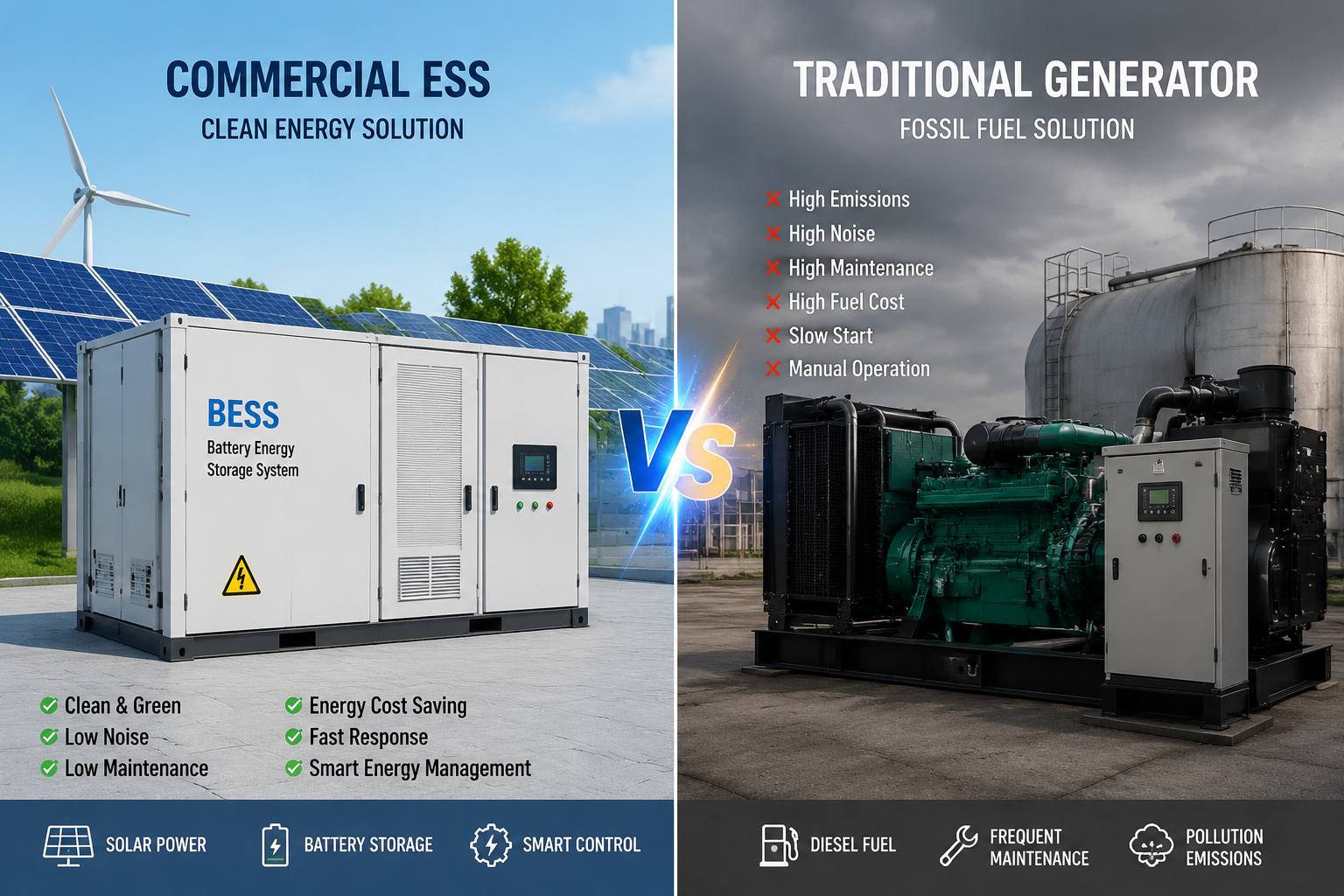
Commercial ESS vs Backup Generator: Key Comparison
| Feature | Commercial ESS | Traditional Backup Generator |
|---|---|---|
| Energy Source | Electricity / Solar Energy | Diesel / Fuel |
| Noise Level | Very low | High noise |
| Emissions | Zero operating emissions | Carbon emissions |
| Maintenance | Low maintenance | Regular maintenance required |
| Response Time | Milliseconds | Seconds to minutes |
| Solar Integration | Excellent | Limited |
| Energy Cost Reduction | Yes | No |
| Peak Shaving Capability | Yes | No |
| Remote Monitoring | Available | Limited |
| Installation Flexibility | High | Requires fuel infrastructure |
1. Energy Efficiency: Commercial ESS Has Higher Efficiency
One of the biggest advantages of a commercial battery storage system is energy efficiency.
A diesel generator converts fuel into electricity, but a significant amount of energy is lost through:
A modern commercial ESS solution directly stores and releases electricity with high efficiency.
With advanced lithium battery technology, businesses can achieve:
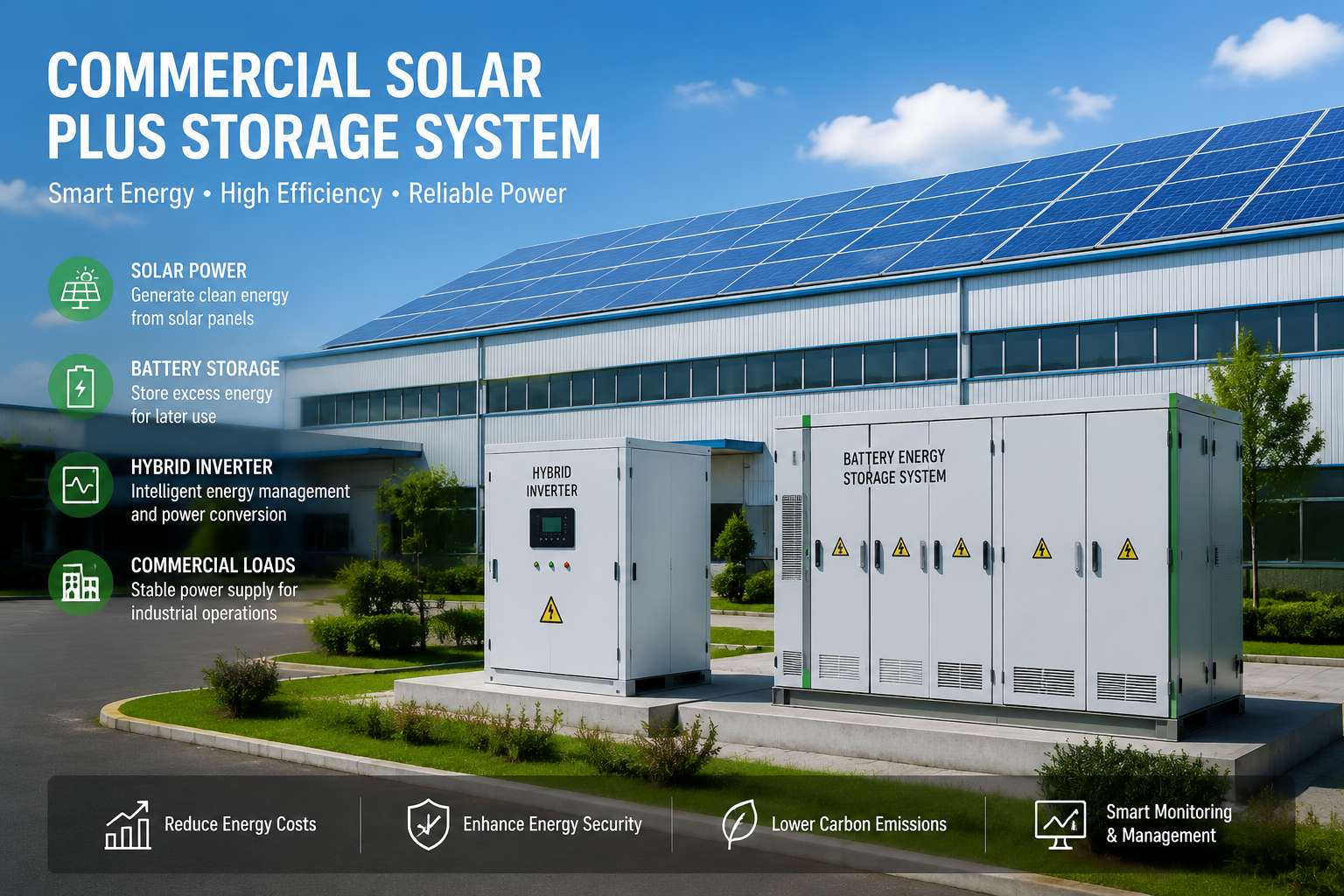
For companies already using commercial solar systems, integrating ESS can further improve renewable energy utilization.
2. Operating Cost: ESS Provides More Long Term Savings
Although the initial investment of a Commercial ESS system may be higher than a diesel generator, the long-term operating costs are significantly lower.
Businesses need to pay for:
Fuel prices can also fluctuate significantly.
Commercial ESS Costs:
A commercial energy storage system mainly requires:
When combined with solar panels, businesses can generate and store their own electricity.
This allows companies to reduce:
3. Backup Response Time: ESS Provides Faster Power Supply
During a power outage, response time is critical.
A traditional generator usually requires:
This can take several seconds.
A battery energy storage system (BESS) can provide backup power almost instantly.
This makes commercial ESS systems ideal for:
where uninterrupted power is extremely important.
4. Environmental Impact: ESS Supports Clean Energy Development
Sustainability has become an important goal for many companies.
Traditional generators produce:
In contrast, a solar battery energy storage system produces no direct emissions during operation.
When combined with solar panels, a solar plus storage system allows businesses to create a cleaner energy infrastructure.
Benefits include:
5. Energy Management: ESS Offers More Intelligent Control
Traditional generators mainly provide emergency power.
However, a modern commercial ESS solution provides much more than backup power.
With intelligent EMS technology, businesses can:
This makes ESS not only a backup solution but also an intelligent energy management platform.
6. Space and Installation Requirements
Traditional diesel generators often require:
This increases installation complexity.
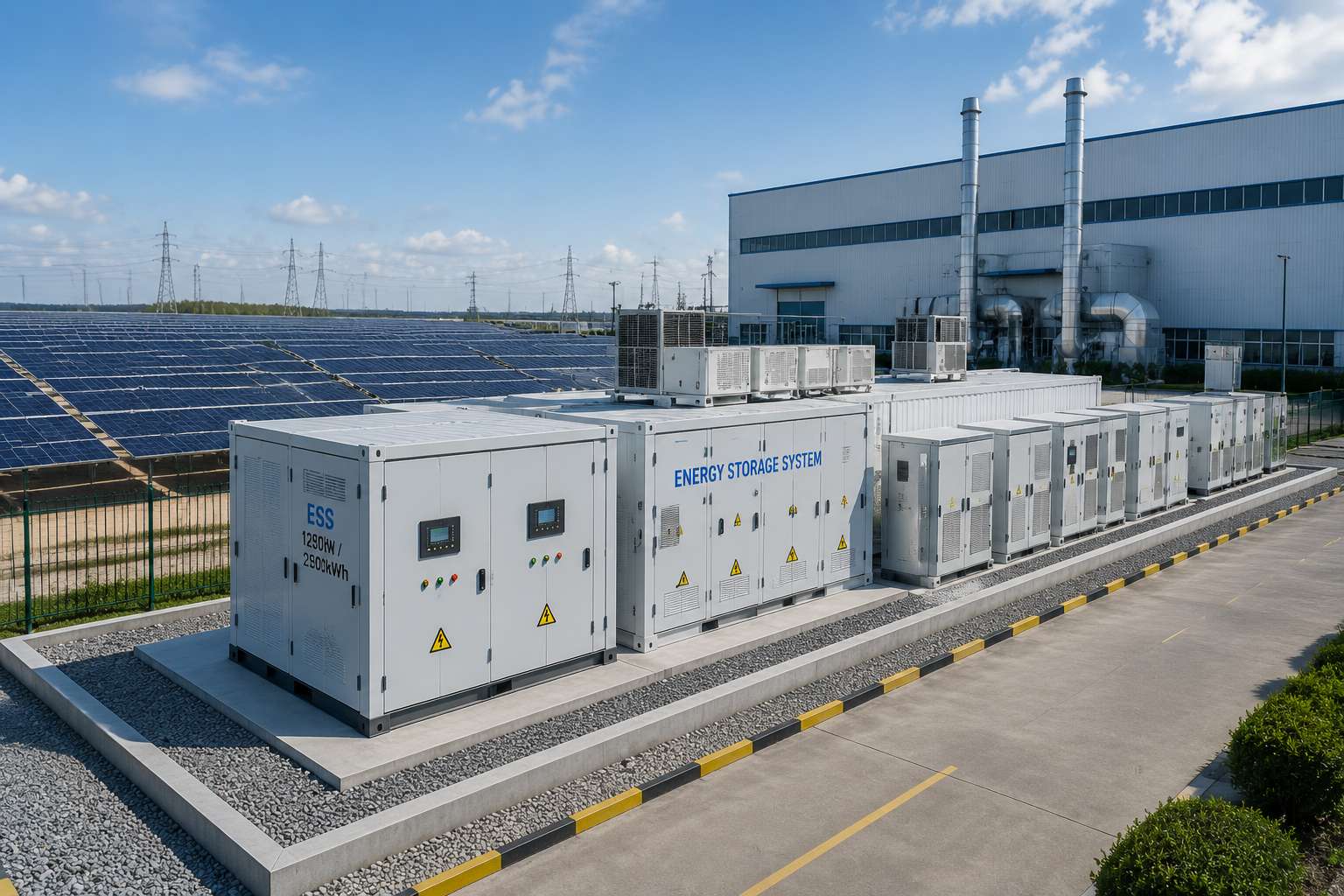
A modern outdoor battery energy storage system is designed for easier deployment.
Weatherproof ESS cabinets can be installed:
This provides greater flexibility for businesses.
Commercial ESS Applications
Manufacturing Factories
Factories can use industrial battery storage systems to:
Warehouses and Logistics Centers
Energy storage helps warehouses manage:
Solar Power Projects
A commercial solar energy storage system allows solar projects to store excess electricity and improve overall project returns.
EV Charging Stations
A BESS system for EV charging can:
When Should Businesses Choose Commercial ESS?
A Commercial ESS system is recommended for businesses that need:
✔ Lower electricity costs
✔ Renewable energy integration
✔ Fast backup power
✔ Smart energy management
✔ Reduced carbon emissions
✔ Long term energy independence
When Are Backup Generators Still Useful?
Traditional generators may still be suitable for:
In some cases, businesses may combine both technologies:
Solar + ESS + Generator Hybrid System
This provides maximum reliability and energy flexibility.
Conclusion: Commercial ESS Is the Future of Business Energy Solutions
While traditional backup generators have played an important role for decades, modern businesses are increasingly moving toward smarter and cleaner solutions.
A Commercial ESS (Energy Storage System) provides advantages in:
For companies looking to build a future ready energy system, combining solar power systems, hybrid inverters, and commercial battery storage systems is becoming the preferred solution.
As energy markets continue to change, Commercial ESS is not only a backup power solution — it is a complete energy management strategy for the future.


Address : Room 908-909, Building 2, No. 469 Huatuo Lane, Shushan District, Hefei City, Anhui Province


Please read on, stay posted, subscribe, and we welcome you to tell us what you think.
Copyright 2026 @ Anhui Solarasia Energy Technology Co.,Ltd .All Rights Reserved. Sitemap | Blog | XML | Privacy Policy
 Network Supported