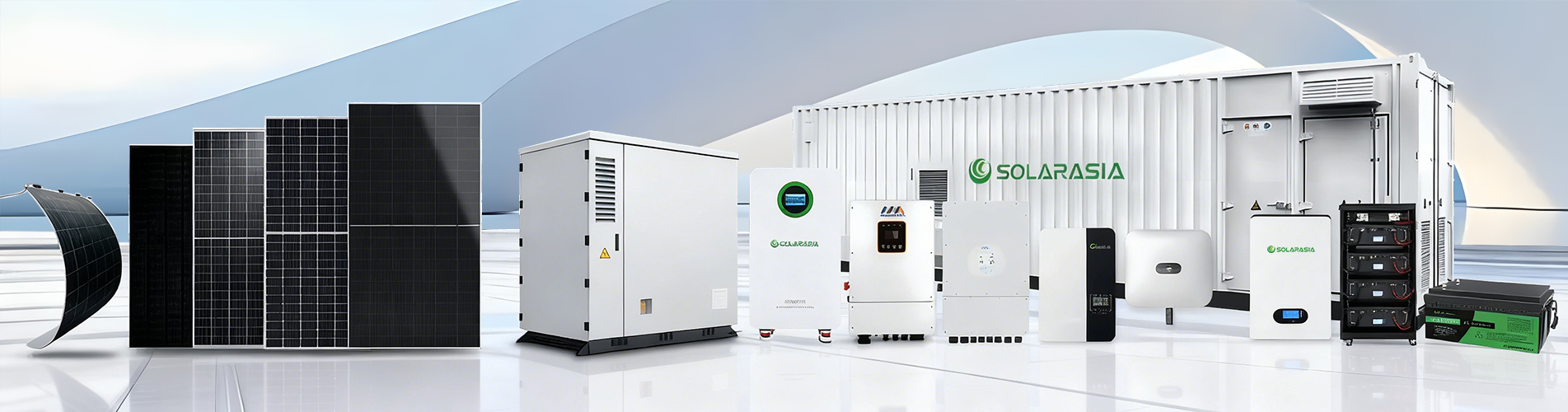
How to Choose the Right Solar Power System for Your Project in 2026
January 12, 2026As global energy costs continue to rise, more homeowners, businesses, and project developers are turning to solar power systems as a long term and cost effective energy solution. However choosing the right solar power system is not always simple. System size application scenarios grid connection type and battery storage all play an important role in final performance and return on investment.
In this guide we explain how to choose the right solar power system for your project in 2026 and what key factors you should consider before making a decision.
Identify Your Application Scenario
The first step in choosing a solar power system is to clearly define where and how it will be used. Different application scenarios require different system designs and configurations.
Solar power systems are commonly used for residential homes commercial buildings factories warehouses farms agricultural irrigation and remote off grid areas. For example a commercial solar system designed for a factory usually requires a higher capacity system ranging from 50 kilowatts to several hundred kilowatts and often uses three phase inverters. In contrast a residential solar system is typically designed between 5 kilowatts and 15 kilowatts depending on household electricity consumption.
Choose the Right Type of Solar Power System
Solar power systems are generally divided into three main types based on grid connection and energy storage configuration.
An on grid solar system is connected directly to the public utility grid. It does not require battery storage and has a relatively low initial investment cost. This type of system is suitable for areas with stable and reliable grid power.
An off grid solar system operates independently without connection to the grid. It requires battery storage to supply electricity at night or during cloudy conditions. Off grid systems are ideal for remote locations where grid access is unavailable or unreliable.
A hybrid solar system combines both grid connection and battery storage. It allows users to store excess energy and provides backup power during grid outages. In 2026 hybrid solar systems are becoming increasingly popular for both residential and commercial applications due to their flexibility and energy security benefits.
Determine the Required System Capacity
System capacity is typically measured in kilowatts and should be selected based on actual daily energy consumption and load characteristics.
For home use a system between 5 kilowatts and 10 kilowatts is usually sufficient. Small businesses may require systems between 10 kilowatts and 30 kilowatts. Commercial projects often range from 50 kilowatts to 200 kilowatts while large industrial projects may exceed 200 kilowatts.
Choosing the correct system size is critical. Oversizing increases investment costs while undersizing limits energy output and performance. A professional load calculation helps ensure the system matches real energy demand.
Select the Right Solar Inverter
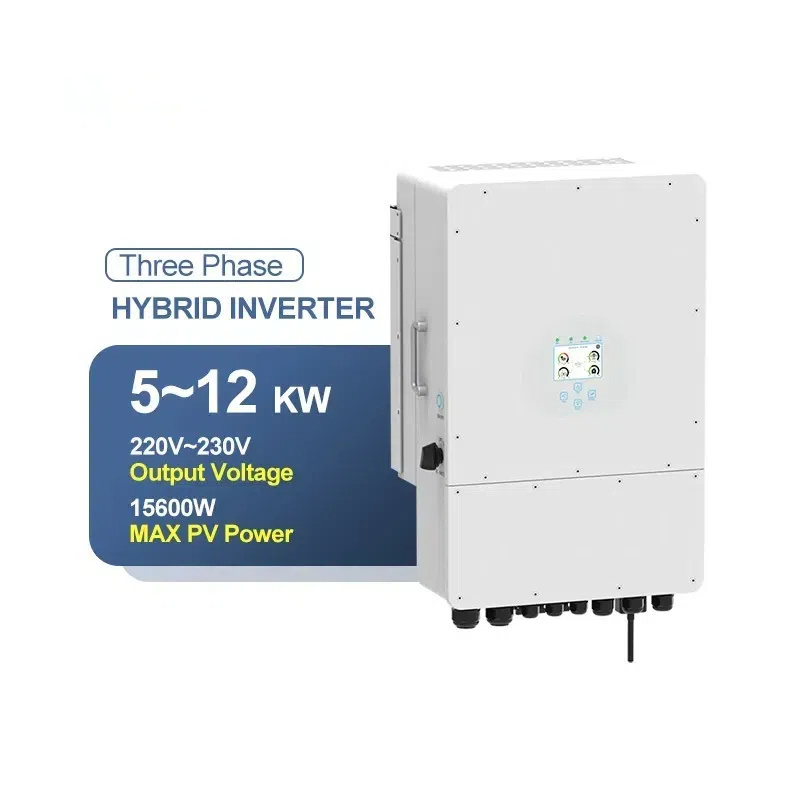
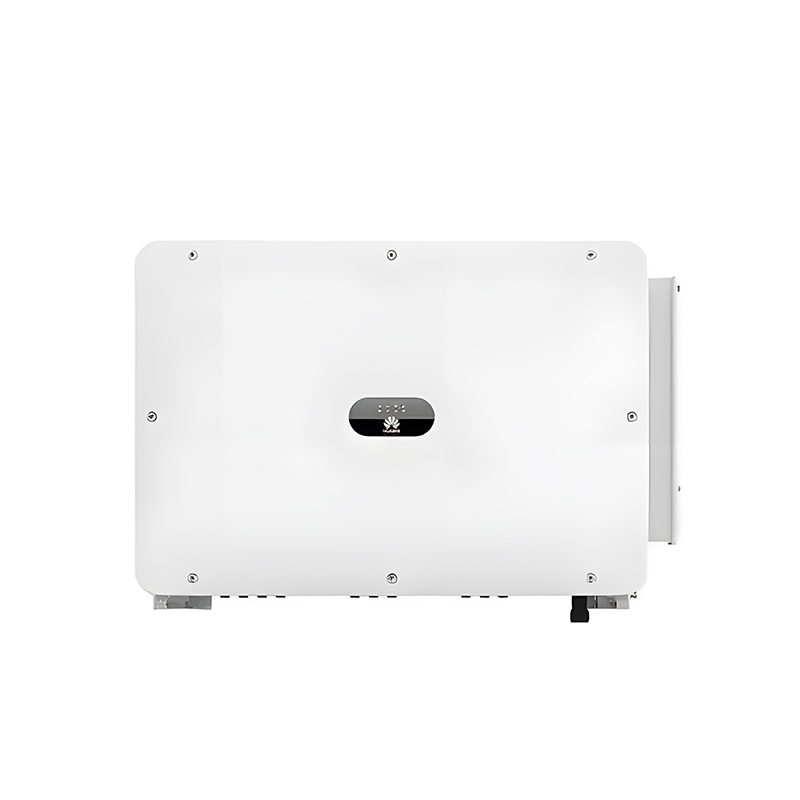
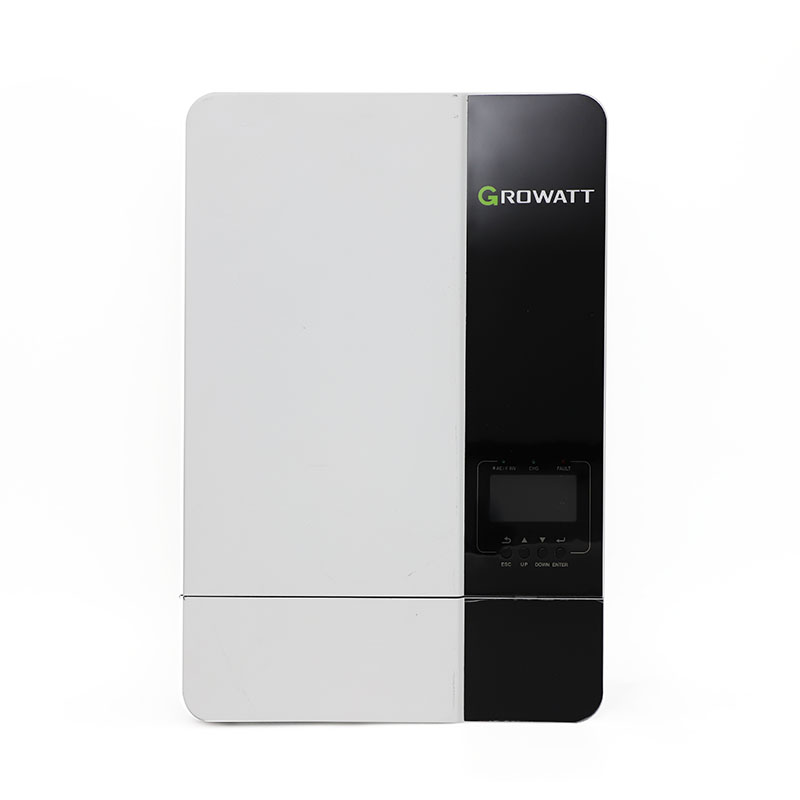
The solar inverter is the core component of the entire system. It converts direct current electricity generated by solar panels into alternating current power that can be used by electrical equipment.
When selecting a solar inverter it is important to consider whether the system requires single phase or three phase output whether it is designed for on grid off grid or hybrid operation and whether it supports battery integration. Local grid standards such as those in the United States Europe or Australia should also be taken into account.
For commercial and industrial projects three phase hybrid solar inverters are widely used due to their high efficiency stable operation and compatibility with energy storage systems.
Consider Battery Storage Solutions
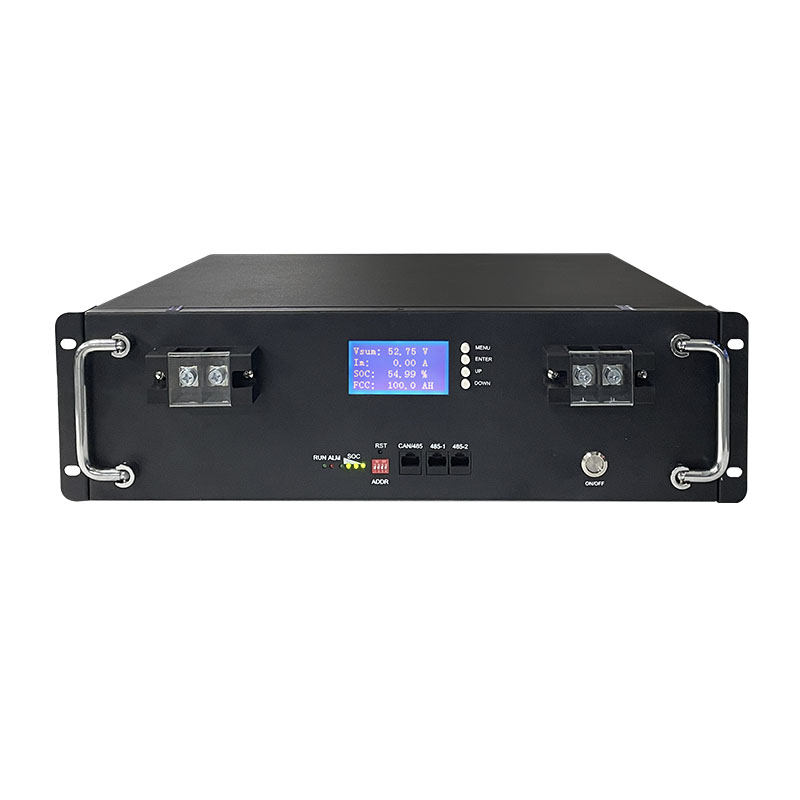
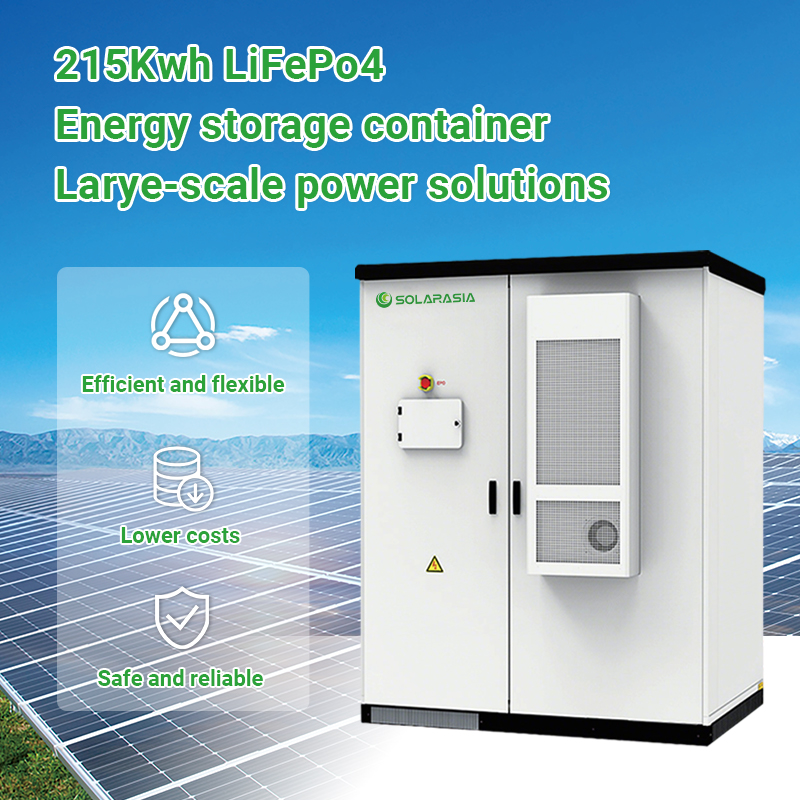
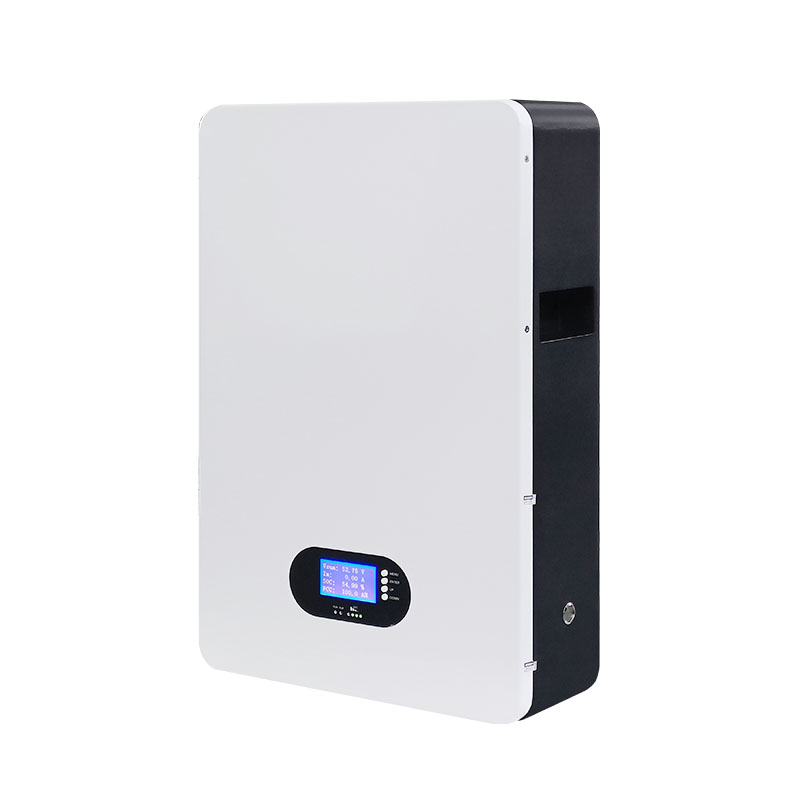
Battery storage is becoming an essential part of modern solar power systems especially for hybrid and off grid applications.
Common battery technologies include lithium iron phosphate batteries gel batteries and AGM batteries. Among these lithium batteries are increasingly preferred due to their long lifespan high efficiency low maintenance requirements and compact design. They are well suited for both residential and commercial solar energy storage applications.
Evaluate System Quality and Supplier Capability
Choosing a reliable solar power system supplier is just as important as selecting the right system components. A professional supplier should be able to provide customized system design certified products technical documentation and long term technical support.
Project experience product certifications and after sales service capability are key indicators of a supplier’s reliability. A complete solution reduces installation risks and helps ensure stable long term system performance.
Why Customized Solar Solutions Matter
Every solar project has unique requirements. Customized solar power systems are designed according to specific load conditions installation environments and budget considerations.
A customized solution ensures optimal energy output better return on investment compliance with local regulations and flexibility for future system expansion. Standardized packages may not always deliver the best results in real world applications.
Conclusion
Choosing the right solar power system in 2026 requires a clear understanding of application scenarios energy demand system configuration and long term goals. From system type and inverter selection to battery storage and supplier capability each factor plays a critical role in overall performance.
A well designed solar power system not only reduces electricity costs but also provides reliable and sustainable energy for many years. Working with an experienced solar solution provider helps ensure the success of residential commercial and industrial solar projects.

Address : Room 908-909, Building 2, No. 469 Huatuo Lane, Shushan District, Hefei City, Anhui Province


Please read on, stay posted, subscribe, and we welcome you to tell us what you think.
Copyright 2026 @ Anhui Solarasia Energy Technology Co.,Ltd .All Rights Reserved. Sitemap | Blog | XML | Privacy Policy
 Network Supported