Growatt Solar Inverters: A Guide to Grid Tied, Hybrid and Commercial Solutions
September 17, 2026As solar energy continues to expand across residential, commercial, and industrial applications, choosing the right inverter has become an important part of designing a reliable photovoltaic system. The inverter converts the electricity generated by solar panels into usable power and plays an important role in system monitoring, grid connection, energy management, and battery integration.
Growatt is a recognized brand in the global solar and energy storage market, offering a range of inverter solutions for different system sizes and applications. Its product portfolio covers grid-tied solar inverters, hybrid inverters, and solutions designed for larger commercial and industrial photovoltaic systems.
For businesses and solar project developers, understanding the differences between these inverter types can help determine which solution is suitable for a particular PV project.
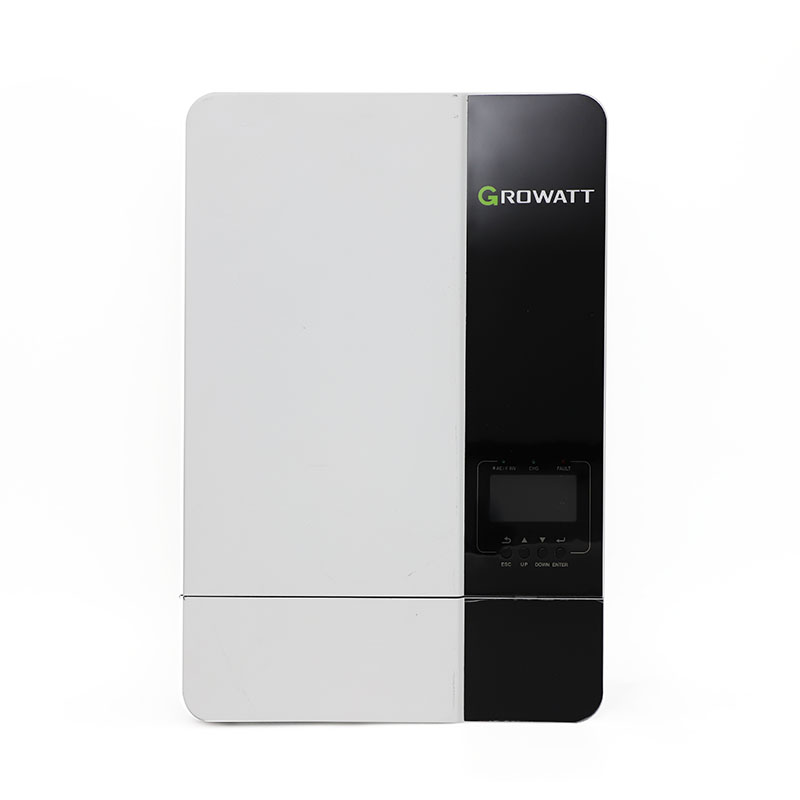
A Growatt solar inverter is designed to convert DC electricity generated by photovoltaic panels into AC electricity that can be used by electrical loads or supplied to the utility grid.
Depending on the product series and application, Growatt inverters can support different system configurations, including residential rooftop solar, three-phase commercial PV systems, and solar-plus-storage applications.
When selecting a Growatt inverter, project owners and installers typically consider factors such as:
These factors are particularly important for commercial and industrial projects where system size, energy consumption, and grid connection requirements can vary significantly.
Grid-tied solar inverters are commonly used in photovoltaic systems connected to the utility grid. During periods of solar generation, electricity produced by the PV system can supply local loads, while excess electricity may be exported to the grid depending on local regulations and the project configuration.
Growatt grid-tied solar inverters are available for different application scenarios, from residential installations to larger three-phase commercial solar systems.
For commercial projects, inverter selection should be based on the total PV capacity, load characteristics, grid connection requirements, and the electrical design of the site.
Typical applications include:
For larger systems, multiple inverters can also be integrated into the overall PV architecture to achieve the required system capacity.
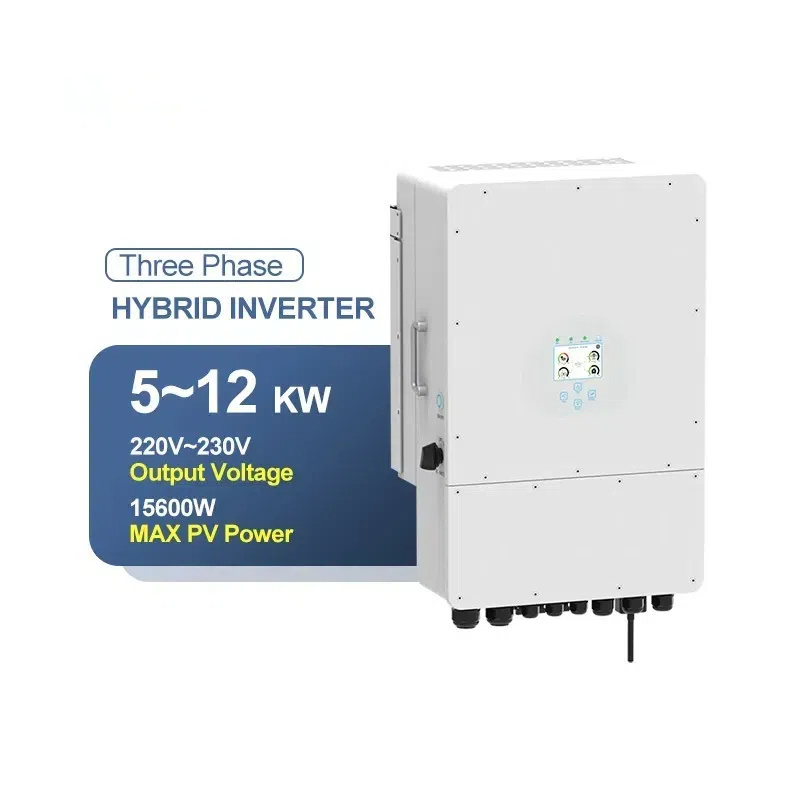
Unlike a conventional grid-tied inverter, a hybrid inverter can be used in a system that combines solar generation with battery energy storage.
A typical solar-plus-storage system may include:
Solar Panels → Hybrid Inverter → Loads / Grid
with a battery connected to the hybrid inverter for energy storage.
During the day, solar energy can power electrical loads while surplus energy can be stored in the battery. Depending on the system configuration and local regulations, stored energy can later be used when solar generation is lower or electricity demand is higher.
Growatt hybrid inverter solutions can therefore be considered for applications where users want to combine photovoltaic generation with battery storage.
Common applications include:
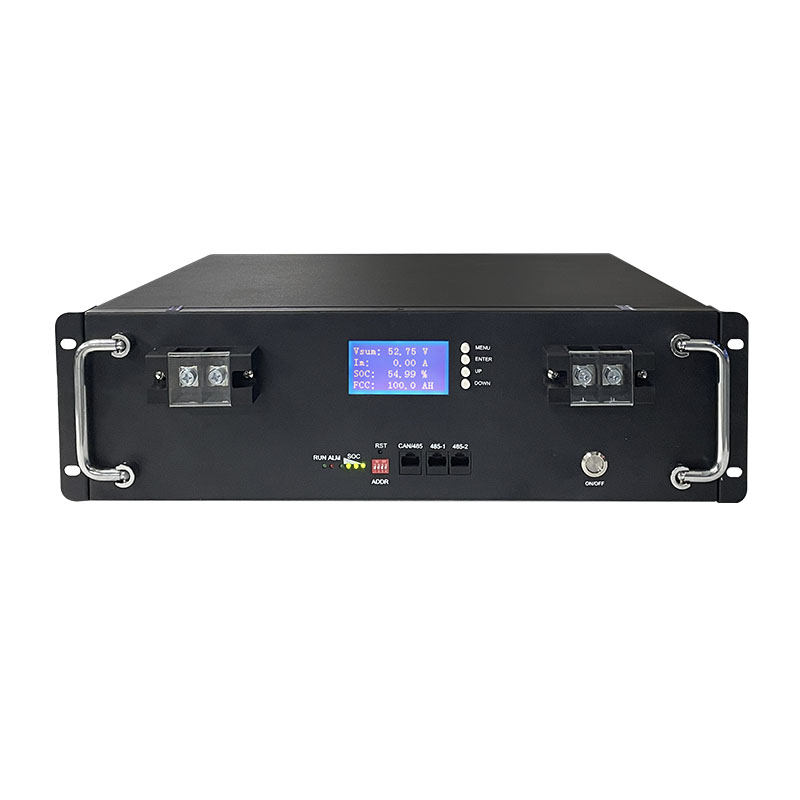
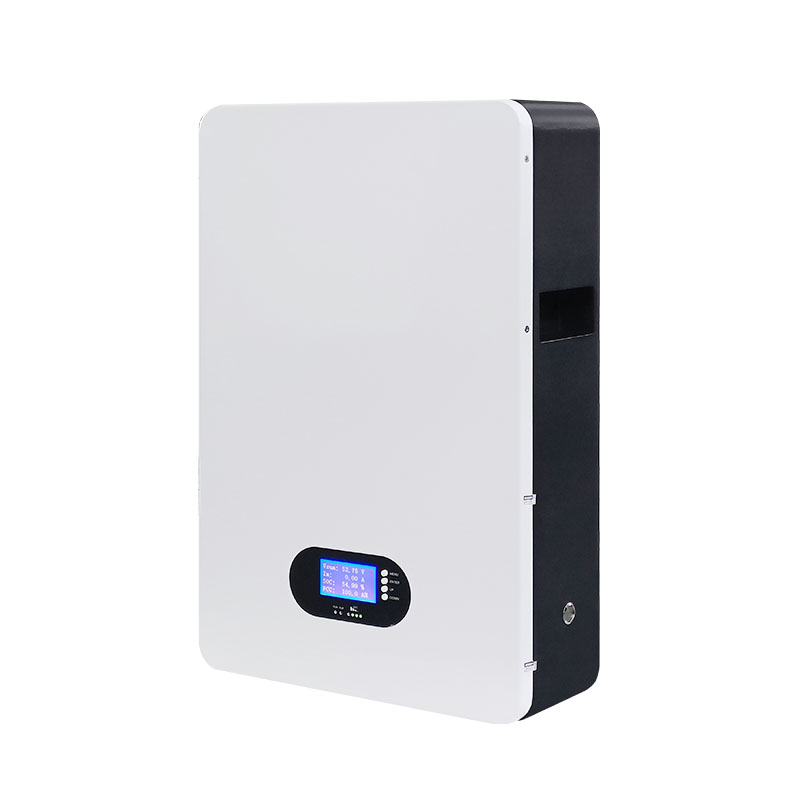
For projects using batteries, it is important to check the inverter's battery voltage range, supported battery chemistry, communication protocol, charging and discharging parameters, and system configuration before installation.
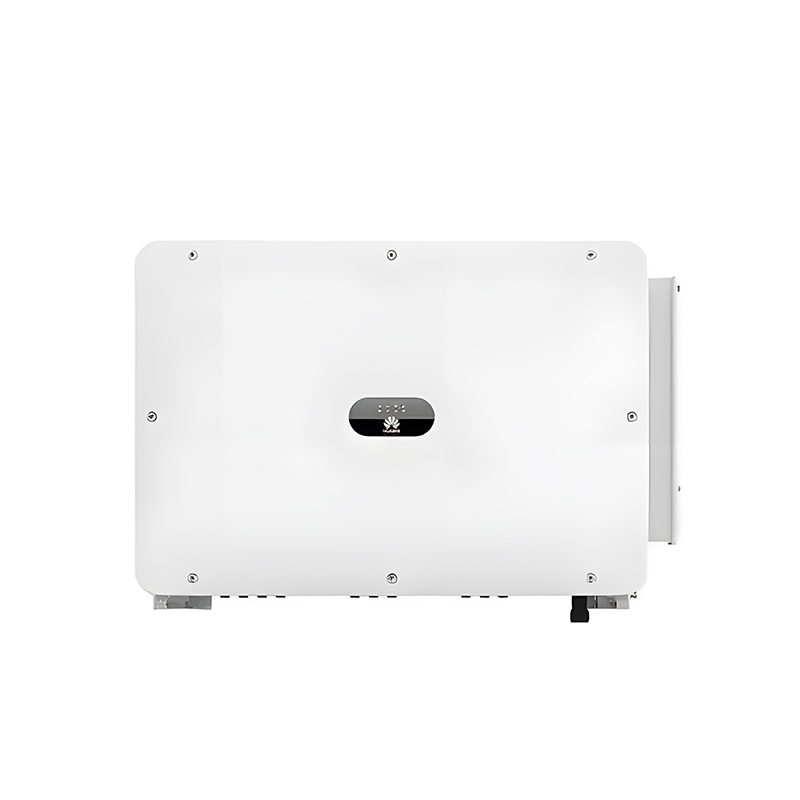
Commercial and industrial solar projects generally have different requirements from residential systems. A factory or warehouse may have a much larger PV array, higher electricity demand, and a three-phase electrical connection.
For these applications, commercial solar inverters need to be evaluated according to the project's DC capacity, AC capacity, voltage requirements, MPPT configuration, installation environment, and grid standards.
Growatt commercial inverter solutions can be used in applications such as:
When designing a commercial PV system, multiple three-phase inverters may be combined to achieve the required total capacity. Engineers should also consider cable sizing, DC protection, AC distribution, surge protection, grounding, monitoring, and grid interconnection requirements.
There is no single inverter configuration suitable for every solar project. The appropriate solution depends on the system design and the user's energy requirements.
The first step is to determine the required PV capacity. A small residential rooftop system may require a much smaller inverter than a factory or warehouse installation.
The DC-to-AC ratio should also be considered when matching the PV array with the inverter.
Residential systems may use single-phase or three-phase electrical connections depending on the local grid.
Commercial and industrial facilities commonly use three-phase power, making three-phase solar inverters an important option for larger PV projects.
If the project includes battery storage, the inverter must support the intended battery configuration.
For solar-plus-storage systems, the compatibility between the inverter, battery, BMS, and energy management system should be confirmed before purchasing.
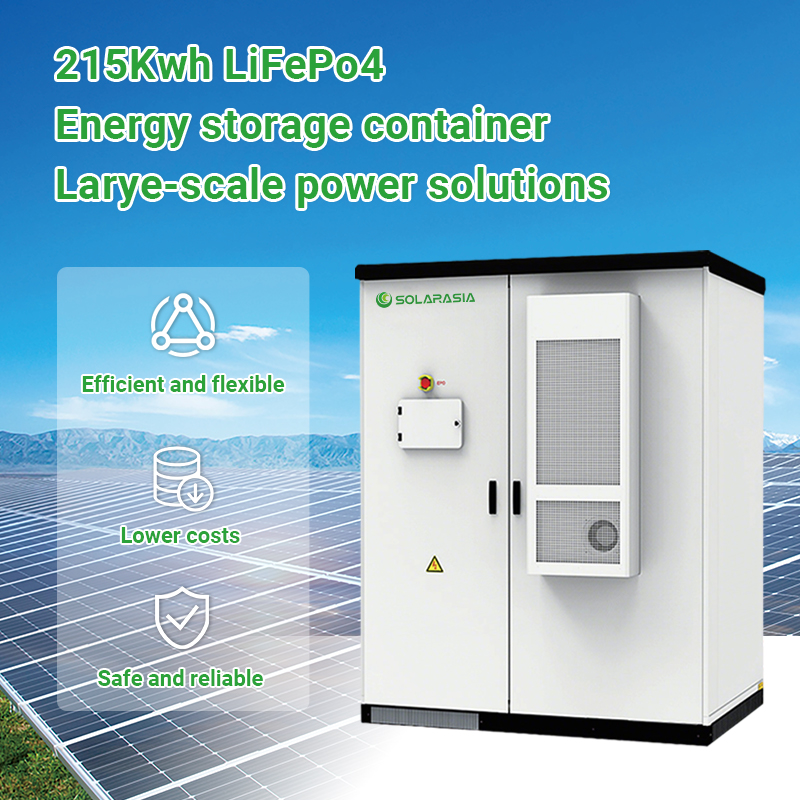
Commercial and industrial inverters may be installed in outdoor electrical areas, rooftop environments, equipment rooms, or dedicated energy storage facilities.
Environmental conditions such as ambient temperature, humidity, dust, ventilation, and protection requirements should therefore be considered during system design.
For commercial solar systems, monitoring can help operators understand PV generation, system performance, energy consumption, and potential system issues.
Communication interfaces and monitoring platforms should be checked to ensure compatibility with the project's energy management requirements.
Growatt inverter solutions can be considered across multiple solar applications.
| Application | Common Inverter Considerations |
| Residential Solar | System size, single phase or three phase, battery compatibility |
| Home Energy Storage | Hybrid inverter, battery voltage, backup requirements |
| Commercial Rooftop PV | Three phase output, inverter capacity, MPPT configuration |
| Factory Solar System | High power inverter, grid requirements, monitoring |
| Warehouse PV | Rooftop conditions, multiple inverter configuration, electrical distribution |
| Solar Plus Storage | Battery compatibility, energy management, charging and discharging |
The final inverter configuration should always be determined according to the project's electrical design, local grid regulations, and applicable installation standards.
The combination of solar panels, inverters, and batteries is becoming increasingly relevant for energy users looking to improve solar self-consumption and manage electricity usage.
A solar-plus-storage system can be designed around different objectives, including:
For commercial and industrial users, the inverter and battery system should be sized according to the facility's load profile rather than simply selecting equipment based on nominal capacity.
This is especially important for C&I energy storage projects where peak demand, operating hours, electricity tariffs, and backup requirements can all influence the system design.
For solar distributors, installers, EPC companies, and project developers, sourcing the appropriate inverter is only one part of a successful PV project. Product availability, technical specifications, system compatibility, logistics, and after-sales support also need to be considered.
SolarAsia Power provides solar energy products and customized solutions for residential, commercial, and industrial applications. Our product portfolio includes solar panels, solar inverters, lithium batteries, and energy storage solutions.
For projects requiring Growatt solar inverter solutions, customers can provide their required system capacity, application scenario, grid type, battery requirements, and target market. This information can be used to identify a suitable product configuration for the project.
Growatt solar inverters cover a range of photovoltaic applications, from residential solar systems to commercial and industrial PV projects. Grid-tied inverters are commonly used for solar systems connected to the utility grid, while hybrid inverters can integrate photovoltaic generation with battery storage.
For commercial projects, factors such as system capacity, three-phase power, MPPT configuration, grid requirements, installation environment, and monitoring should be evaluated before selecting an inverter.
As solar and energy storage systems continue to develop, matching the inverter with the PV array, electrical loads, battery system, and project requirements remains an important part of PV system design.

Address : Room 908-909, Building 2, No. 469 Huatuo Lane, Shushan District, Hefei City, Anhui Province


Please read on, stay posted, subscribe, and we welcome you to tell us what you think.
Copyright 2026 @ Anhui Solarasia Energy Technology Co.,Ltd .All Rights Reserved. Sitemap | Blog | XML | Privacy Policy
 Network Supported