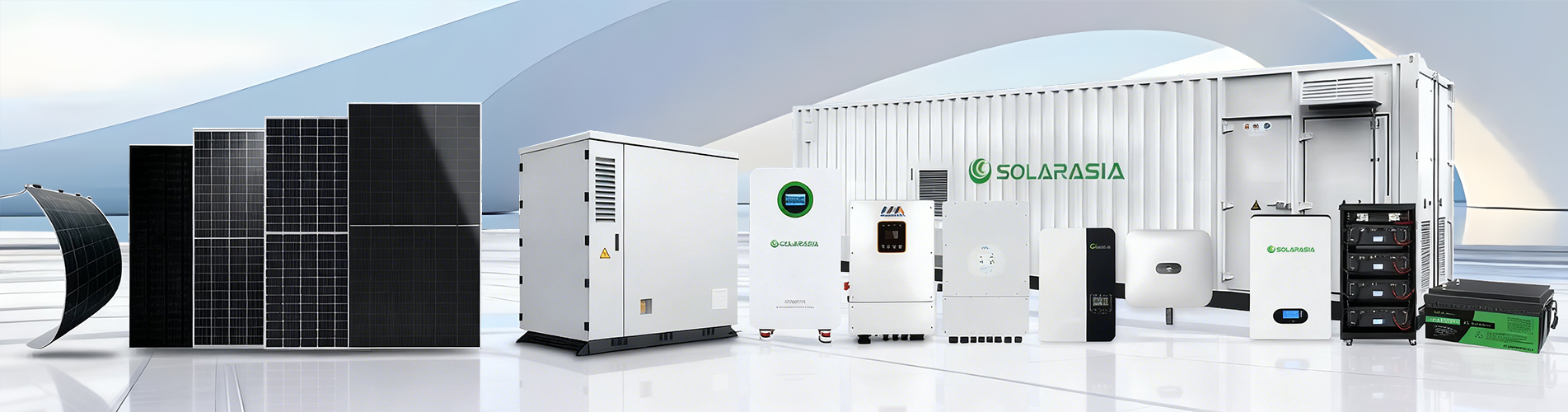
50kW Complete On Grid Solar System for Residential
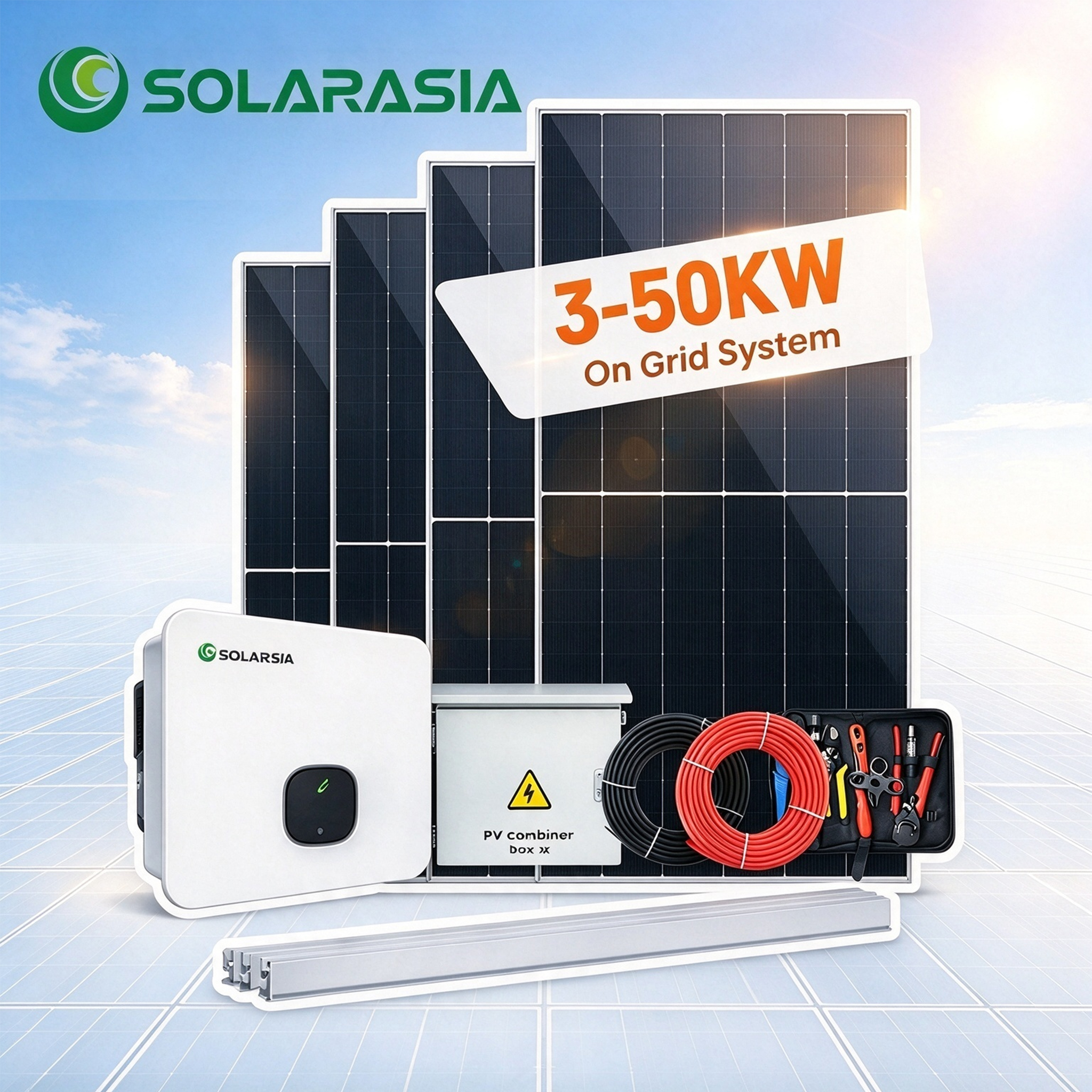
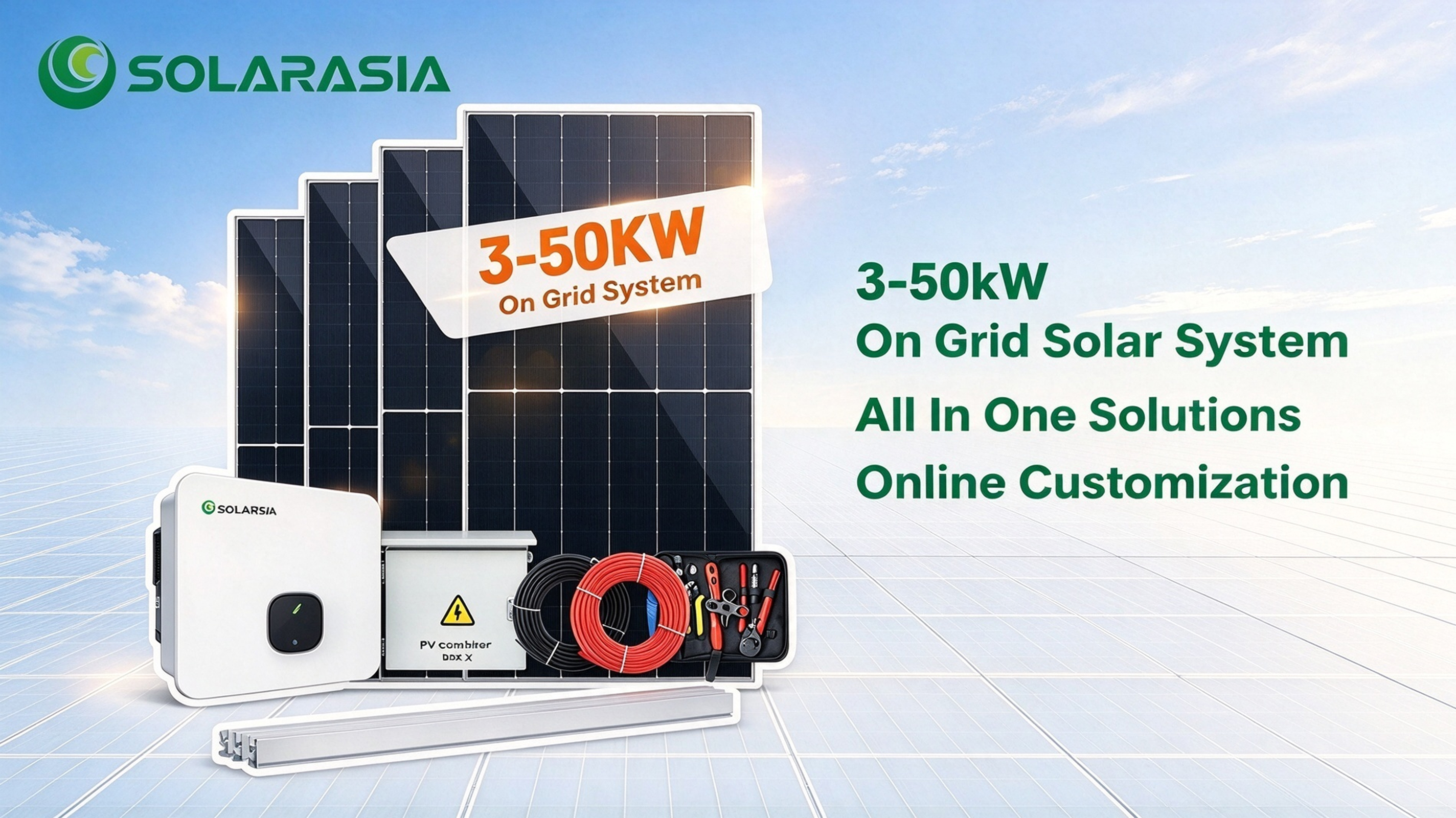
Solarasia Power provides a 3–50kW On Grid Solar System for residential, commercial, and small industrial applications, integrating solar panels, grid-tied inverters, and essential electrical accessories into a flexible grid-connected solar power solution. With customized system configurations and one-stop sourcing support, we help distributors, installers, and project developers find the right complete on grid solar system for their project requirements.
Mounting Type :
Rooftop, Ground MountedOutput Frequency :
50Hz / 60HzSolar Panel Type :
Monocrystalline Silicon
A 3–50kW on grid solar system is designed to convert solar energy into usable electricity while remaining connected to the local utility grid. It is a practical solution for homeowners, commercial property owners, businesses, and small industrial facilities looking to utilize renewable energy and reduce dependence on grid electricity.
At Solarasia Power, we provide customized grid tied solar power systems based on project capacity, electricity consumption, installation conditions, and local grid requirements. Our solutions can integrate solar panels, grid-tied solar inverters, PV combiner boxes where required, cables, and other essential electrical accessories, helping customers simplify equipment sourcing and system configuration.
Whether you are planning a rooftop solar installation, upgrading a commercial property's energy supply, or sourcing complete photovoltaic systems for your customers, our 3–50kW solar system range offers flexible configuration options for different project needs.
Different properties have different electricity requirements. Our 3–50kW on grid solar system range supports project planning for residential rooftops, retail stores, offices, warehouses, workshops, and other small to medium-sized facilities.
The appropriate system capacity depends on electricity consumption, available installation space, local sunlight conditions, and utility grid connection limits. Our team can help evaluate your requirements and recommend a suitable configuration.
A complete grid connected solar system typically combines several essential components to generate solar electricity and connect it to the property's electrical system.
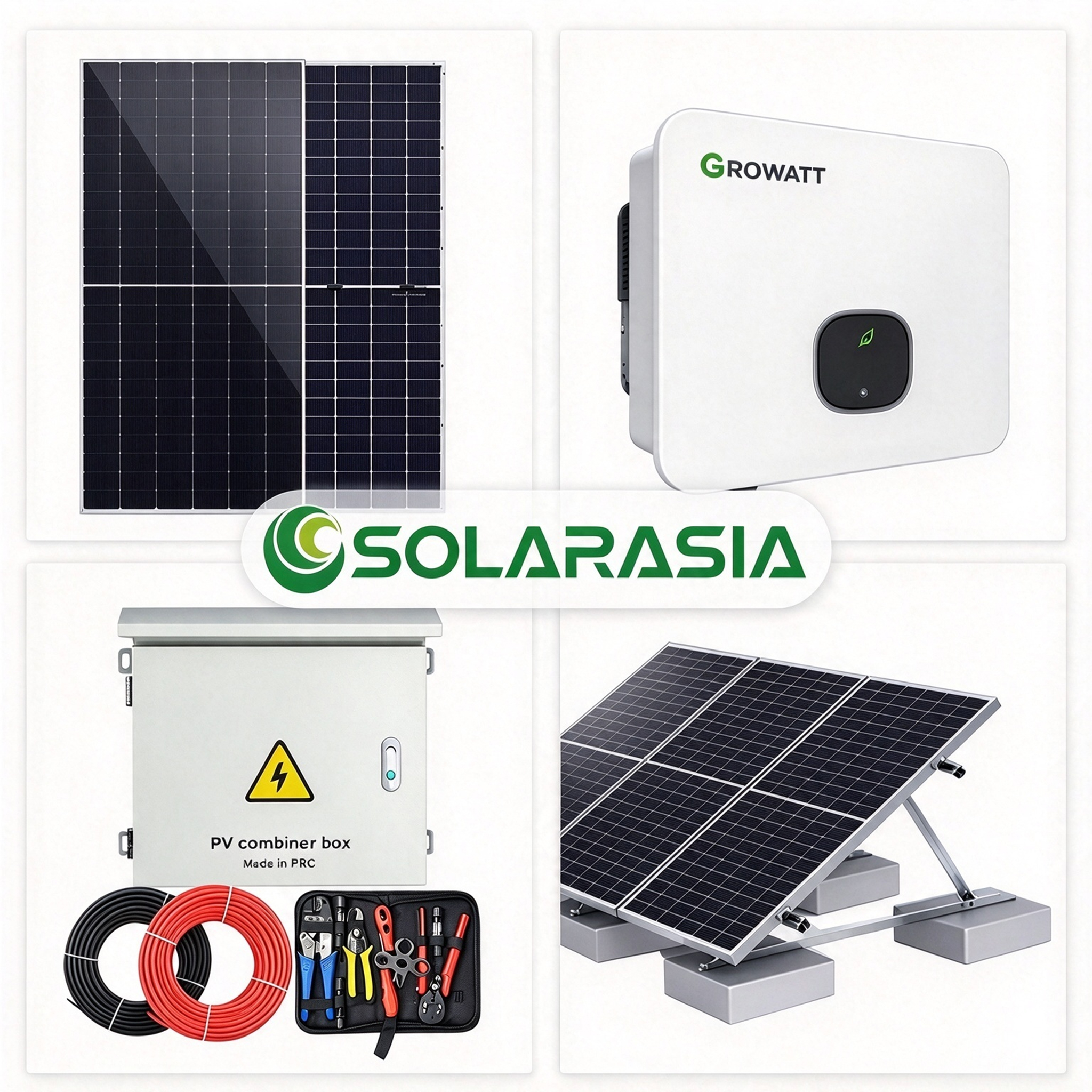
Depending on the selected package, the system may include:
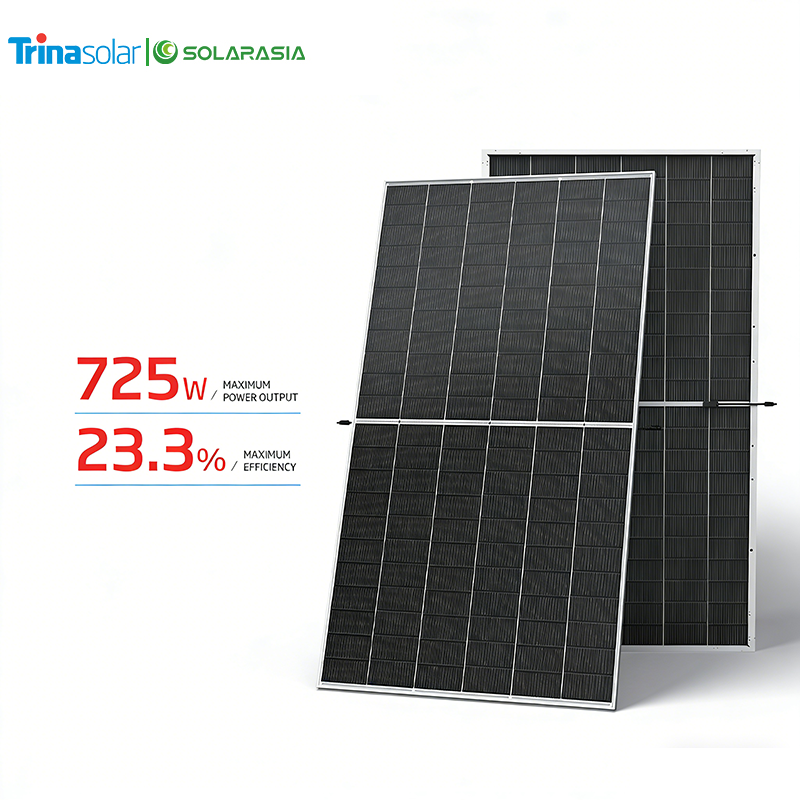
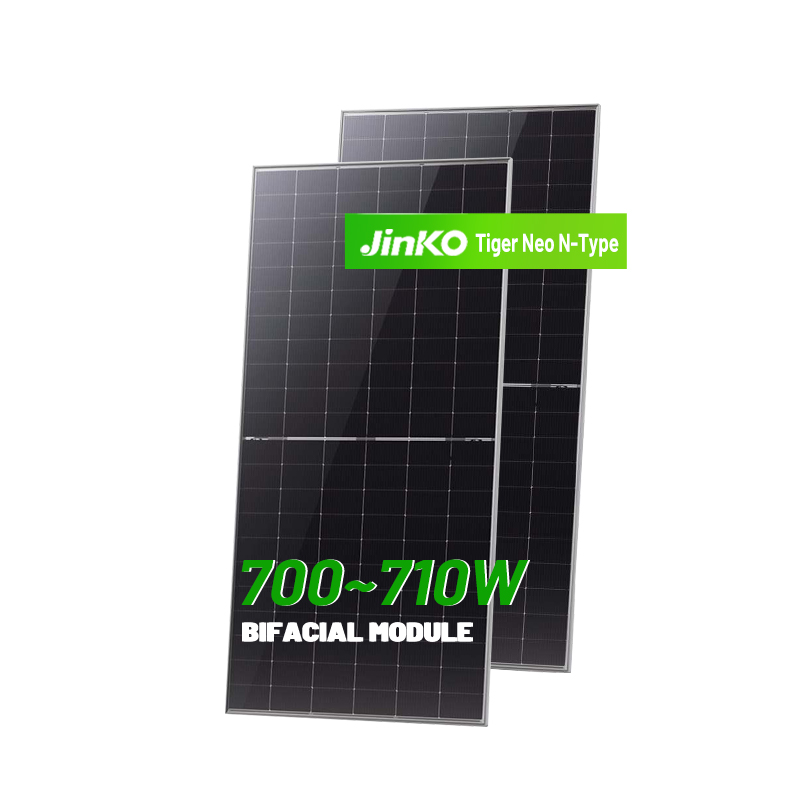
Solar panels for converting sunlight into DC electricity
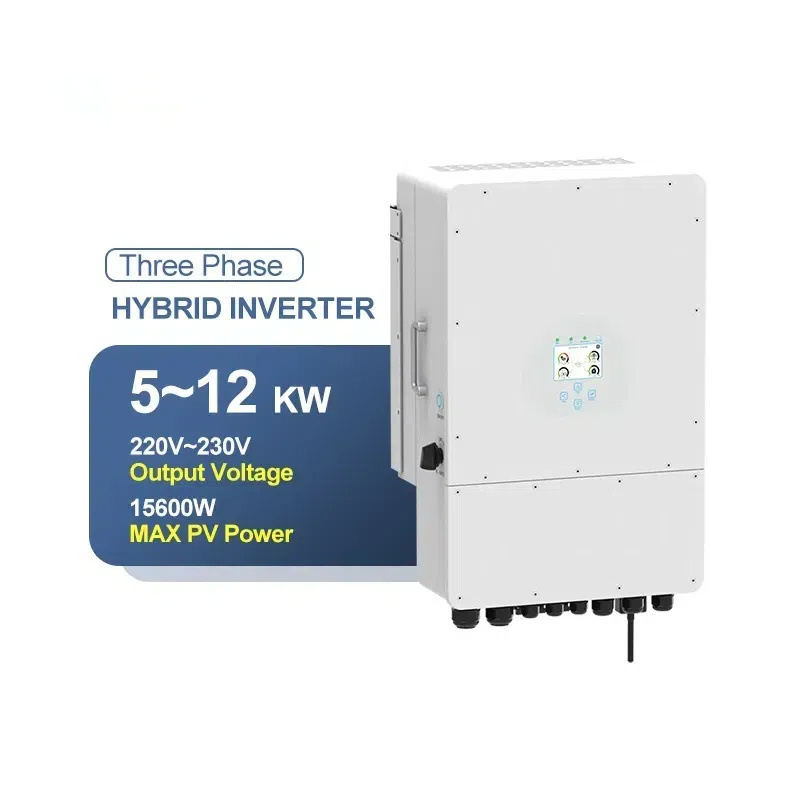
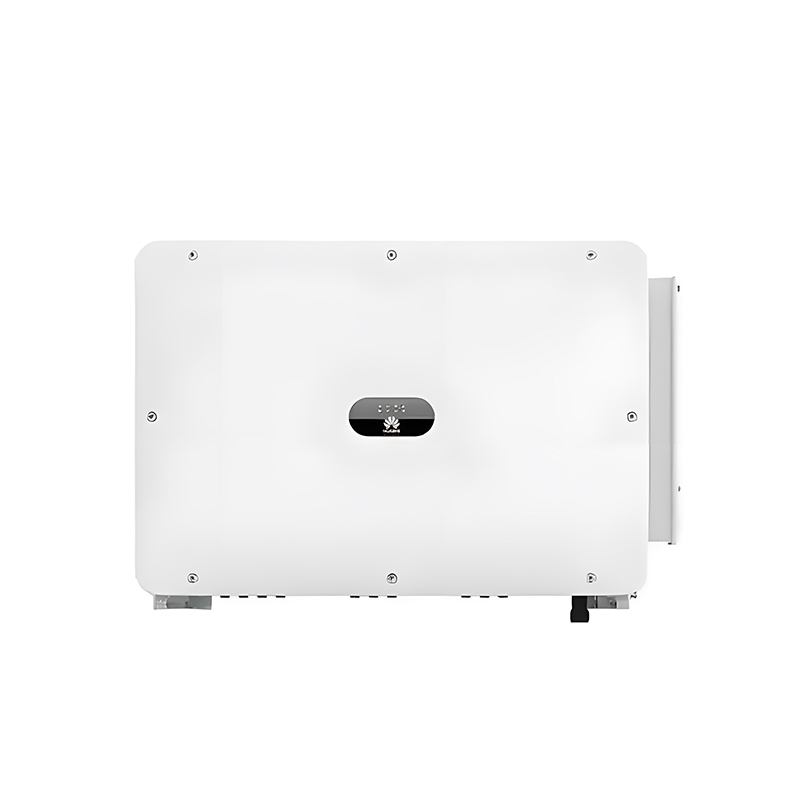
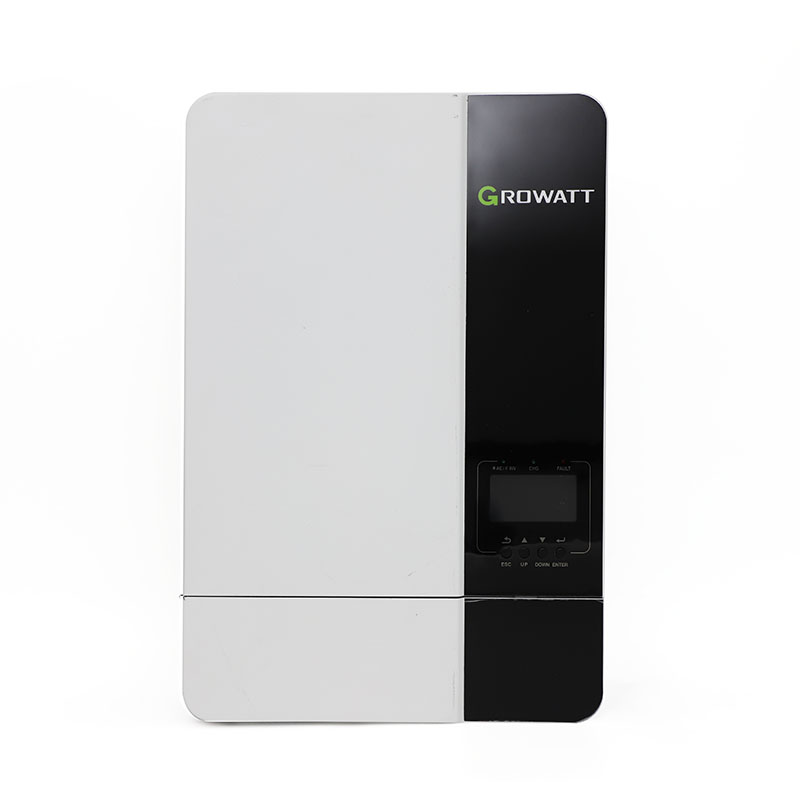
Grid-tied solar inverters for converting DC electricity into AC electricity
PV combiner boxes and protective devices where required
DC and AC cables and electrical connection accessories
Solar mounting structures, available according to project requirements
Component selection depends on the system design and local electrical standards. A detailed equipment list can be provided before ordering to clarify the scope of supply.
A commercial or residential solar power system generates electricity from sunlight, helping offset part of the electricity purchased from the utility grid.
Potential electricity cost savings depend on the system's actual energy production, the property's electricity consumption patterns, local electricity tariffs, and applicable policies for exporting surplus electricity to the grid.
For businesses with significant daytime electricity demand, a properly designed commercial on grid solar system can be a useful part of a long-term energy cost management strategy.
Choosing compatible solar panels and a suitable grid-tie solar inverter is essential for reliable system operation.
SolarAsia Power can help configure the system according to project specifications, preferred component brands, required power capacity, and local grid requirements. Solar panel electrical characteristics, inverter input limits, output voltage, frequency, and applicable certifications must be considered during system design.
This flexibility is useful for solar distributors, installation contractors, and EPC companies sourcing equipment for different markets.
Solar projects vary by country, installation environment, and end-user requirements. Our customized solar power solutions can be configured according to:
Required system capacity and expected electricity demand
Local grid voltage and frequency
Solar panel and inverter brand preferences
Rooftop or ground-mounted installation conditions
Required cables, protection devices, and installation accessories
Project budget and procurement requirements
By tailoring the equipment configuration to the project, customers can select a more appropriate grid-tied solar solution instead of relying on a one-size-fits-all package.
Sourcing multiple solar components from different suppliers can increase procurement complexity. SolarAsia Power supports one-stop sourcing for major photovoltaic system components, subject to the agreed supply scope.
Our team can help coordinate component selection and provide a customized quotation based on your required capacity, destination market, preferred brands, and accessory requirements.
This service is particularly relevant to solar wholesalers, distributors, installers, EPC contractors, and commercial project developers.
A residential grid-tied solar system can generate electricity for household consumption and help reduce reliance on utility electricity. The final configuration depends on household energy use, roof area, local sunlight, and grid connection conditions.
Offices, shops, restaurants, and other commercial properties can use a commercial solar power system to offset part of their daytime electricity demand.
Warehouses and workshops with suitable roof space may benefit from rooftop photovoltaic installations. System sizing should account for operating schedules, electrical loads, roof conditions, and grid connection limits.
Small industrial facilities can evaluate a 30kW or 50kW grid connected solar system, or another suitable capacity within the range, depending on their electricity demand and project requirements.
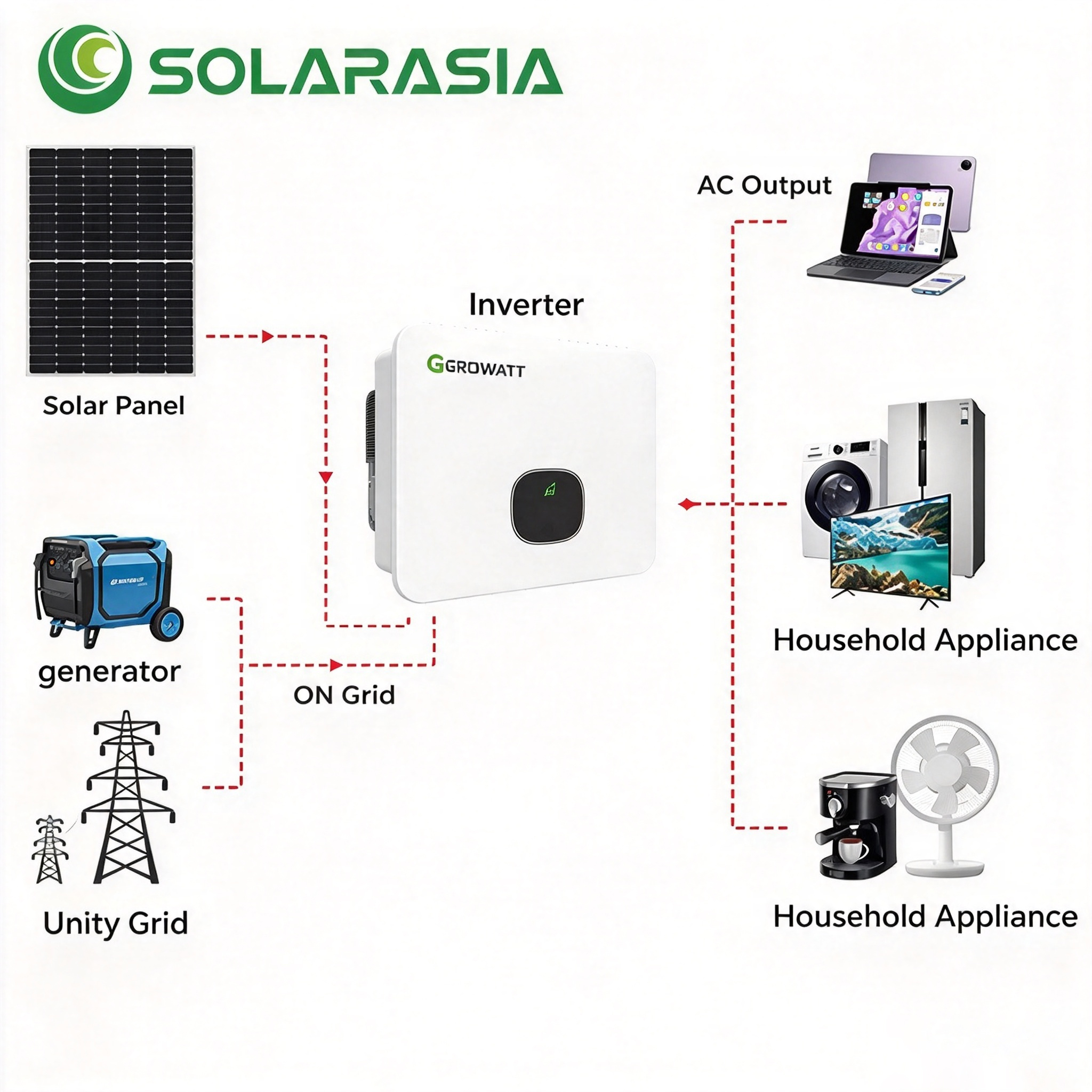
A standard grid-tied photovoltaic system operates through the following process:
Step 1: Solar Energy Collection
Solar panels capture sunlight and generate direct current (DC) electricity.
Step 2: DC-to-AC Conversion
The grid-tied solar inverter converts the DC electricity generated by the panels into alternating current (AC) electricity compatible with the property's electrical system and the supported utility grid.
Step 3: Electricity Consumption
Solar electricity supplies compatible electrical loads within the property, reducing the amount of electricity that needs to be drawn from the utility grid.
Step 4: Grid Interaction
When solar generation is insufficient, electricity can be drawn from the grid. If solar generation exceeds local consumption, surplus electricity may be exported to the grid where local regulations, metering arrangements, and utility approval permit it.
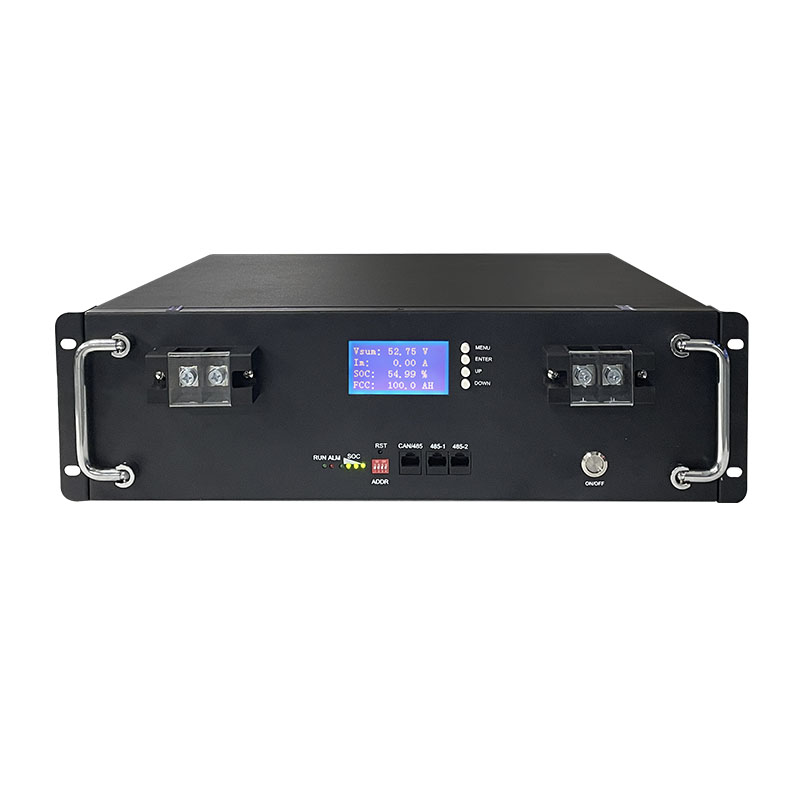
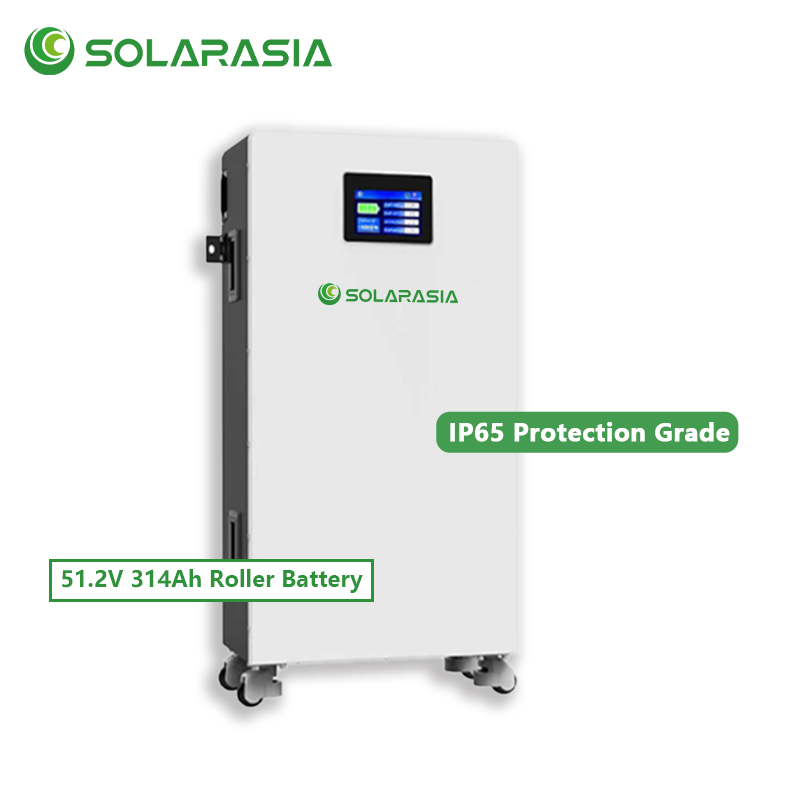
Important: A conventional on-grid solar inverter generally shuts down during a grid outage for safety reasons. If backup power is required, a compatible hybrid inverter, battery storage system, and properly designed backup circuit should be considered.
Choosing the right solar system type depends on grid availability, backup power requirements, and project objectives.
| Feature | On Grid Solar System | Off Grid Solar System | Hybrid Solar System |
| Utility grid connection | Yes | No | Usually yes |
| Battery storage | Usually not required | Typically required | Optional or integrated |
| Grid outage backup | Generally unavailable with a standard system | Available if properly designed | Available with compatible backup equipment |
| Main application | Properties with grid access | Remote or grid-independent locations | Properties requiring solar, grid, and storage integration |
| Main consideration | Grid compatibility and export rules | Battery capacity and energy autonomy | Inverter and battery compatibility |
For projects that prioritize lower-cost grid-connected solar generation, an on grid solar system may be appropriate. For projects requiring energy storage or backup power, an off-grid or hybrid configuration may be more suitable.
SolarAsia Power supports customized solar energy solutions for residential and commercial applications. We work with customers to configure solar panels, inverters, and related components according to project requirements and target market specifications.
Flexible Configuration: Discuss system capacity, component selection, and accessory requirements based on your project.
Project-Based Recommendations: Select equipment according to local grid conditions, installation space, and expected electricity demand.
One-Stop Sourcing Support: Coordinate the supply of major solar system components according to the agreed package.
B2B Procurement Support: Suitable for solar distributors, wholesalers, installers, EPC contractors, and project developers.
Customized Quotations: Receive a proposed configuration and quotation based on your technical requirements and purchasing needs.
Looking for a reliable on grid solar system supplier for your next residential or commercial project?
Contact Solarasia Power with your required system capacity, installation country, local grid specifications, preferred component brands, and accessory requirements. Our team can help evaluate your needs and prepare a customized grid-tied solar power system proposal.
Request a Quote Today to discuss your project and find a suitable solar power solution.



Address : Room 908-909, Building 2, No. 469 Huatuo Lane, Shushan District, Hefei City, Anhui Province


Please read on, stay posted, subscribe, and we welcome you to tell us what you think.
Copyright 2026 @ Anhui Solarasia Energy Technology Co.,Ltd .All Rights Reserved. Sitemap | Blog | XML | Privacy Policy
 Network Supported