
How to Size a Commercial Solar Power System: A Complete Guide
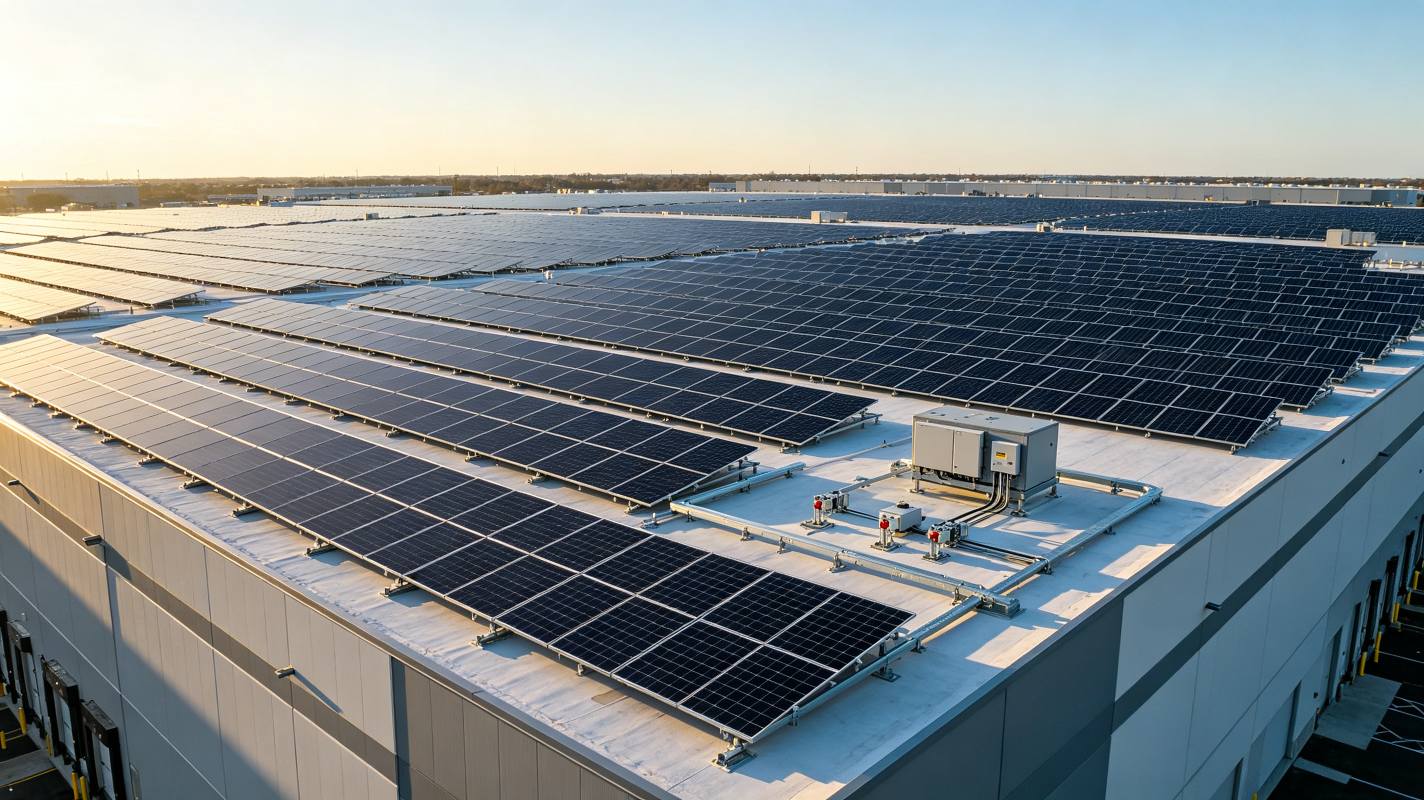
Choosing the right solar system size is one of the most important decisions when planning a commercial solar project.
A system that is too small may not generate enough electricity to significantly reduce a company's energy costs. An oversized system, meanwhile, may require unnecessary investment, additional installation space, and more complex grid interconnection.
So, how do you determine the right size?
The answer depends on several factors, including electricity consumption, available roof space, local solar resources, solar panel efficiency, inverter capacity, utility requirements, and whether battery storage is included.
For businesses, EPC contractors, solar installers, and project developers, understanding these factors can make it easier to create a practical and cost-effective commercial solar power system.
In this guide, SolarAsia Power explains the key steps involved in sizing a commercial solar system, from analyzing electricity consumption to selecting solar panels, inverters, and battery storage.
The size of a solar system generally refers to the total rated power of the solar panels installed in the photovoltaic system.
For example:
However, designing a commercial PV system involves much more than choosing a capacity number.
A complete system may include:
The appropriate system size should be determined by the relationship between electricity consumption, expected solar generation, available installation area, and project objectives.
The first step in commercial solar system sizing is understanding how much electricity the business actually uses.
Before selecting equipment, it is recommended to collect at least 12 months of electricity bills whenever possible.
Important information includes:
For example, imagine that a warehouse consumes approximately:
300,000 kWh per year.
If the business wants solar energy to offset a significant portion of its annual electricity consumption, the required PV capacity can be estimated according to the expected solar production at the project location.
This approach is generally more useful than choosing a system size simply because a building has enough roof space.
A business does not necessarily need a solar system capable of producing 100% of its annual electricity consumption.
The desired solar offset depends on:
For example, a company may initially target a solar system capable of offsetting approximately 50%–70% of its annual electricity consumption.
Another business with high daytime electricity demand may target a higher percentage because more solar power can potentially be consumed directly by the facility.
Therefore, the key question is not simply:
How large can the solar system be?
A better question is:
How large should the solar system be based on the business's electricity consumption and project objectives?
The same 100kW solar system will not generate exactly the same amount of electricity in every location.
Solar production depends on:
As a simplified example, assume a project location has an estimated annual solar production factor of:
1,400 kWh per kW per year.
A 100kW solar system could theoretically produce:
100kW × 1,400 kWh/kW/year = 140,000 kWh/year
This is only an example used to demonstrate the calculation. Actual production should be estimated using location-specific solar data and professional PV design software.
A simplified formula for preliminary sizing is:
For example:
Annual electricity consumption:
300,000 kWh
Estimated annual solar production:
1,400 kWh per kW
Calculation:
300,000 ÷ 1,400 ≈ 214kW
The preliminary PV system size would therefore be approximately 214kW if the objective were to generate roughly the same amount of electricity annually.
However, this does not necessarily mean a 214kW system is the best solution.
The final design should also consider:
Once the approximate system capacity has been determined, the next step is to calculate the required number of solar panels.
The basic formula is:
For example, for a 100kW system using 700W solar panels:
100,000W ÷ 700W ≈ 143 panels
Therefore, approximately 143 × 700W solar panels would be needed to reach around 100kW of DC capacity.
If 600W modules are used:
100,000W ÷ 600W ≈ 167 panels
Higher-power modules can therefore reduce the total number of panels required.
Fewer panels can potentially reduce:
However, module wattage should not be the only selection criterion.
Businesses should also consider:
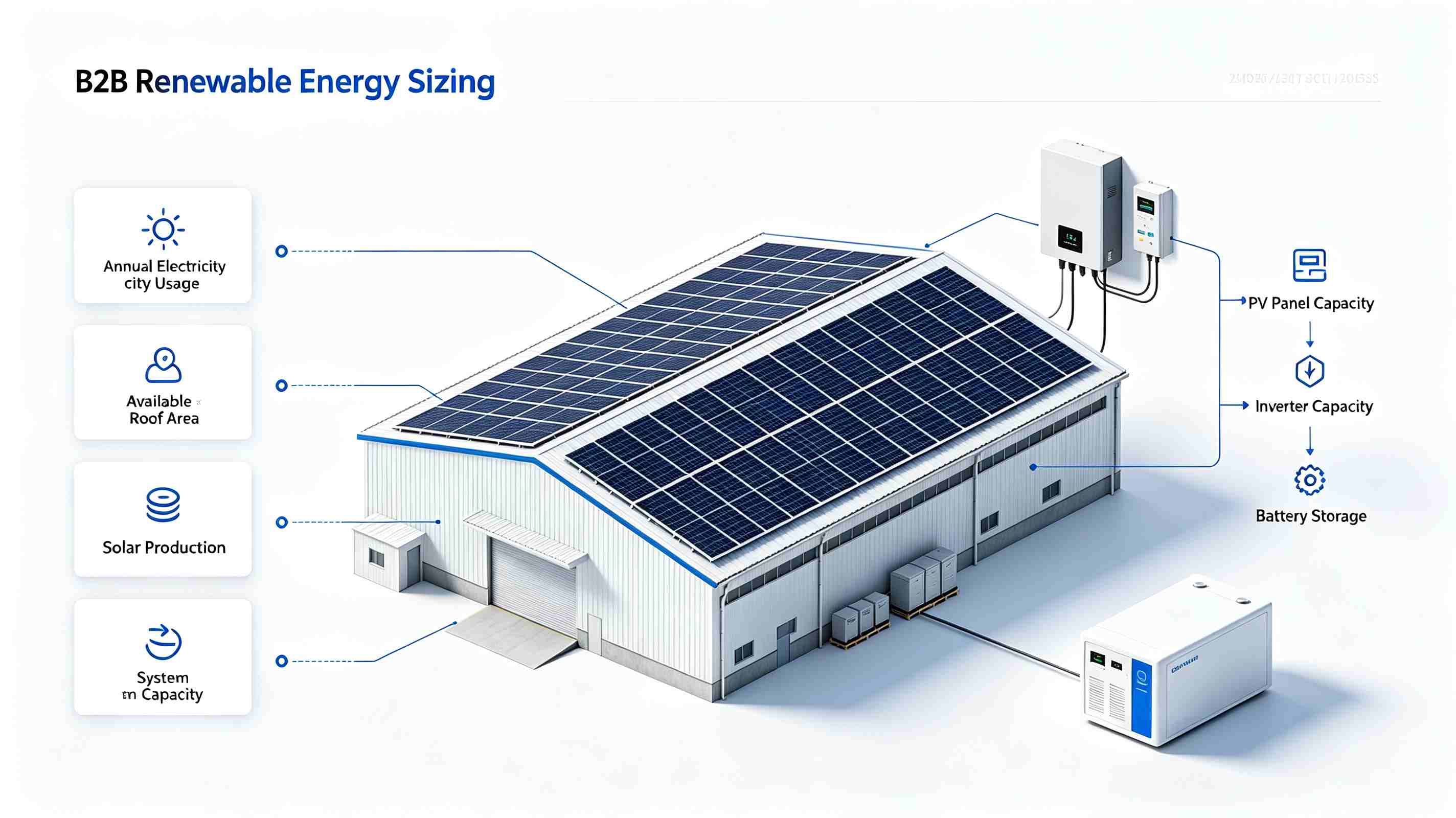
Roof area is another critical consideration when sizing a commercial solar system.
A large commercial building may have a large roof, but not every square meter can necessarily be covered with solar panels.
Certain areas may need to remain available for:
The dimensions and efficiency of the selected solar panels also affect the final layout.
High-efficiency modules can generate more power from a limited roof area, which can be especially valuable for warehouses, factories, retail buildings, and other commercial properties with limited usable roof space.
Solar panels and inverters should be designed as a coordinated system.
The inverter converts DC electricity generated by the PV modules into AC electricity that can be consumed by the building or exported to the grid.
A commercial project may use:
The appropriate configuration depends on:
The inverter should not necessarily be selected by simply matching the solar panel capacity one-to-one.
A professional system designer may use an appropriate DC/AC ratio to improve inverter utilization and overall project economics.
The DC/AC ratio compares the total rated capacity of the solar panels with the AC output capacity of the inverter.
For example:
120kW DC solar panels + 100kW AC inverter
results in a:
1.2 DC/AC ratio
This type of design may allow the inverter to operate closer to its rated capacity during more hours of the day.
However, excessive PV oversizing can increase clipping and result in additional energy losses.
The appropriate DC/AC ratio should therefore be determined based on:
Battery storage is not required for every commercial solar project.
However, businesses may consider adding battery energy storage when they want to:
For example, a factory may generate significant solar power during the middle of the day while still requiring electricity during evening hours.
A battery energy storage system can store part of the excess solar generation and discharge it later when electricity is needed.
For a solar-plus-storage project, the system should consider both:
PV generation capacity + battery power and energy capacity
Battery energy capacity is normally expressed in kWh, while battery power is expressed in kW.
These two specifications serve different purposes and should not be confused.
Battery sizing depends on the purpose of the energy storage system.
If the main goal is to store excess daytime solar energy and use it later, the battery should be sized according to the expected amount of excess energy.
If the objective is to reduce peak electricity demand, battery power capability becomes particularly important.
If the battery will provide backup power, the required capacity depends on:
For example, if a business has 50kW of critical loads and wants four hours of backup:
50kW × 4 hours = 200kWh
The project would require approximately 200kWh of usable energy before accounting for system losses and reserve capacity.
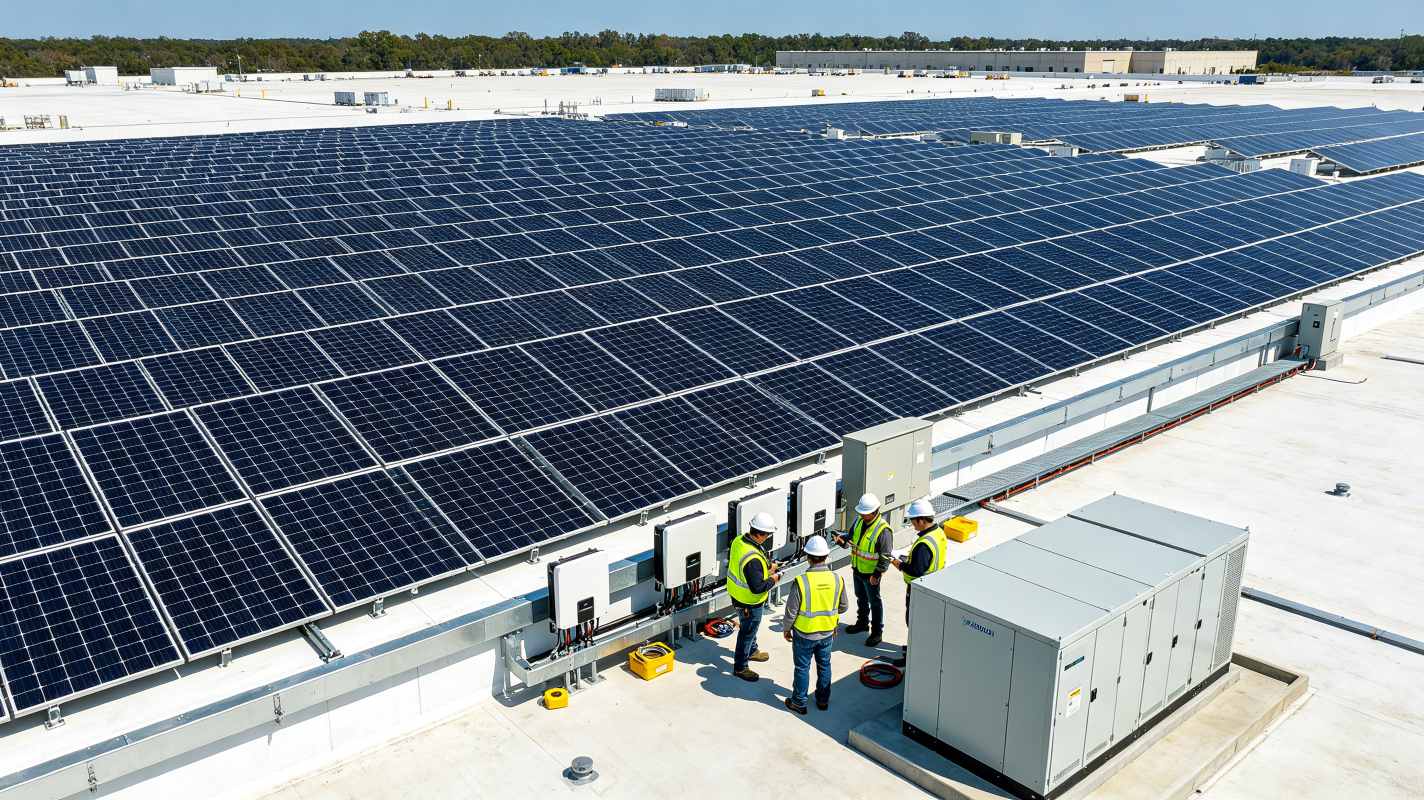
Let's consider a simplified warehouse project.
The warehouse has:
The project developer may consider a 100kW commercial solar system.
Assuming an estimated annual production of approximately 140,000 kWh, the PV system could potentially offset a substantial portion of the warehouse's annual electricity consumption.
Using 700W solar modules:
100,000W ÷ 700W ≈ 143 modules
The final system design would then determine:
If battery storage is included, the battery capacity should be determined separately based on the warehouse's load profile and energy management requirements.
This example demonstrates why commercial PV sizing should be treated as a complete system design rather than simply selecting a number of solar panels.
A large roof does not necessarily mean the business needs a large solar system.
Electricity consumption, utility regulations, system economics and future energy requirements should be considered first.
The lowest equipment price does not always result in the lowest overall project cost.
Businesses should also compare:
The total cost of ownership is often more important than the initial equipment price.
Commercial buildings with high daytime electricity demand can potentially consume a large portion of their solar generation directly.
Understanding the load profile is therefore an important part of system sizing.
Businesses may expand their operations in the future.
New production equipment, HVAC systems, EV chargers, refrigeration equipment, or additional buildings can increase electricity consumption.
Future energy demand should therefore be considered when designing a long-term PV system.
If battery storage may be added in the future, the initial PV and electrical system design should allow sufficient flexibility for later integration.
This can help reduce unnecessary redesign and equipment replacement.
Before requesting a quotation from a solar supplier or EPC contractor, businesses should prepare the following information.
Providing this information can help suppliers and EPC contractors develop a more accurate preliminary system design.
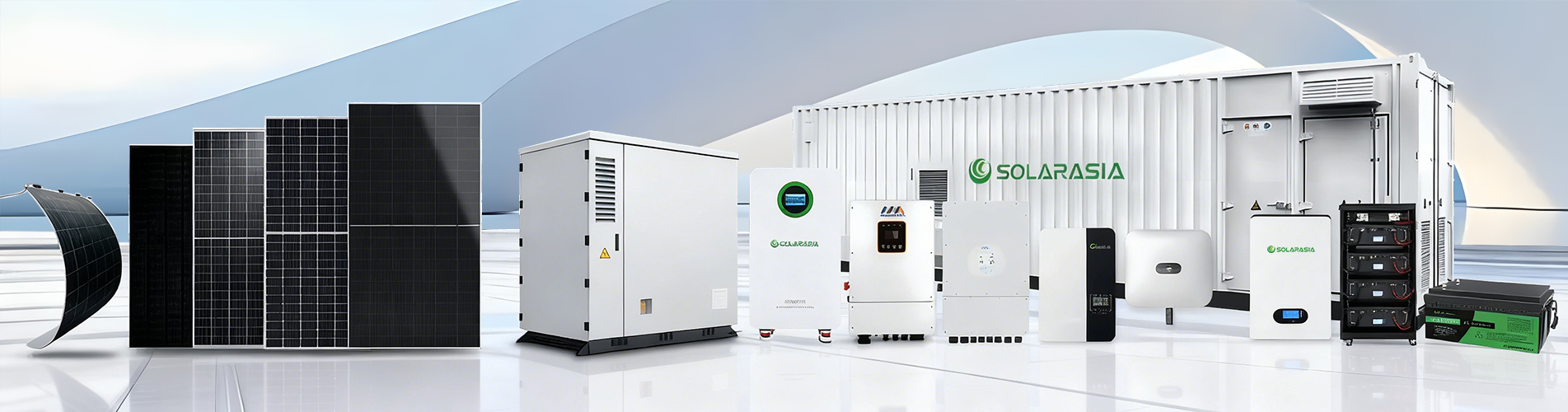
Anhui Solarasia Energy Technology Co., Ltd., operating under the SolarAsia Power brand, provides solar energy products and solutions for international customers.
Our product portfolio includes:
For distributors, wholesalers, EPC contractors, installers and commercial project buyers, selecting compatible components is an important part of successful PV system design.
SolarAsia Power can support customers in evaluating suitable solar panels, inverters and battery storage configurations according to project requirements.
Whether you are planning a 50kW, 100kW, 250kW or larger commercial solar system, selecting the right equipment and system configuration can help improve energy production, reliability and long-term project value.
Sizing a commercial solar system requires more than dividing electricity consumption by panel wattage.
A proper design should consider:
Electricity consumption + solar resource + roof area + solar panels + inverter capacity + electrical infrastructure + battery storage + utility requirements.
For preliminary planning, businesses can use annual electricity consumption and estimated local solar production to determine an initial system capacity.
However, the final system should be verified through a professional site assessment, load analysis and engineering design.
For companies planning a commercial solar power system, choosing the right equipment supplier is equally important. High efficiency solar panels, reliable inverters and appropriately sized energy storage can work together to create a practical and scalable PV solution.
Anhui Solarasia Energy Technology Co., Ltd. (SolarAsia Power) supplies solar panels, solar inverters, batteries and energy storage solutions for international commercial and renewable energy projects.

Address : Room 908-909, Building 2, No. 469 Huatuo Lane, Shushan District, Hefei City, Anhui Province


Please read on, stay posted, subscribe, and we welcome you to tell us what you think.
Copyright 2026 @ Anhui Solarasia Energy Technology Co.,Ltd .All Rights Reserved. Sitemap | Blog | XML | Privacy Policy
 Network Supported