In the selection of energy equipment, the type of inverter directly affects the stability and efficiency of power supply. Understanding the differences between different types of inverters is crucial for choosing a suitable product. This article will deeply explore the classification of inverters, focus on comparing the characteristics of hybrid inverters and ordinary inverters, and extend the analysis of relevant types of solar inverters to help you make a better decision. Meanwhile, through practical application cases, you can have a more intuitive understanding of the value of inverters in different scenarios.
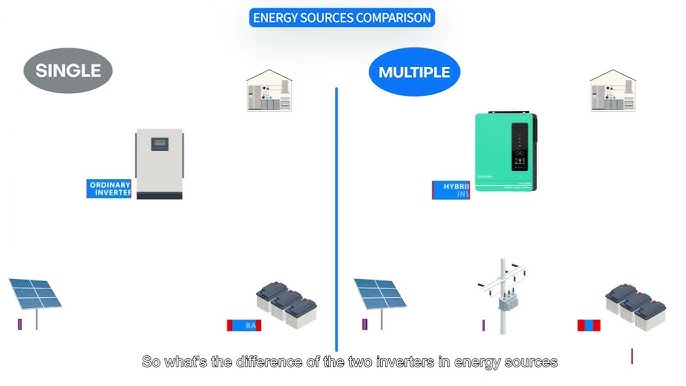
I. Basics of Inverters: Core Differences between Solar Inverters and Ordinary Inverters
The core function of an inverter is to convert direct current (DC) output from power sources such as batteries and solar panels into alternating current (AC) to meet the power consumption needs of household and commercial appliances. Based on different application scenarios, inverters are mainly divided into solar inverters and ordinary inverters.
- Differences in Built-in Controllers
Solar inverters are specifically designed for solar systems and usually have built-in components such as a maximum power point tracking (MPPT) controller. The MPPT controller can track the maximum power output point of the solar panel in real-time. By dynamically adjusting the voltage and current, it ensures that the solar panel operates at high efficiency. Ordinary inverters are independent devices, lack a built-in controller, and have no hybrid grid connection function. They are mostly applied to power supply systems that do not involve solar panels. In addition, solar inverters are also known as off-grid inverters or hybrid inverters. With functions such as battery charging and grid connection, they can be flexibly applied in residential and commercial scenarios.
- Comparison of Efficiency Performance
Efficiency is an important indicator distinguishing the two types of inverters. Solar inverters can fully tap the power generation potential of solar panels with the help of the MPPT algorithm, ensuring their continuous and efficient operation and increasing the overall power generation. In contrast, ordinary inverters are prone to energy loss during the conversion from DC to AC due to the lack of such optimization technology, reducing the power utilization rate.
- Cost and Benefit Trade-off
In terms of price, solar inverters are usually more expensive than ordinary inverters, but the environmental value and long-term economic benefits they bring cannot be ignored. Using solar inverters can significantly reduce carbon emissions, which is in line with the concept of green development. Over time, the electricity costs saved can gradually offset the higher upfront equipment investment. From a long-term perspective, it is a choice that combines environmental protection and economic efficiency.
II. In-depth Analysis: Hybrid Inverters VS Ordinary Inverters
After clarifying the differences between solar inverters and ordinary inverters, a further comparison between hybrid inverters and ordinary inverters can more clearly show their advantages and disadvantages in practical applications.
- Efficiency and Energy Flexibility
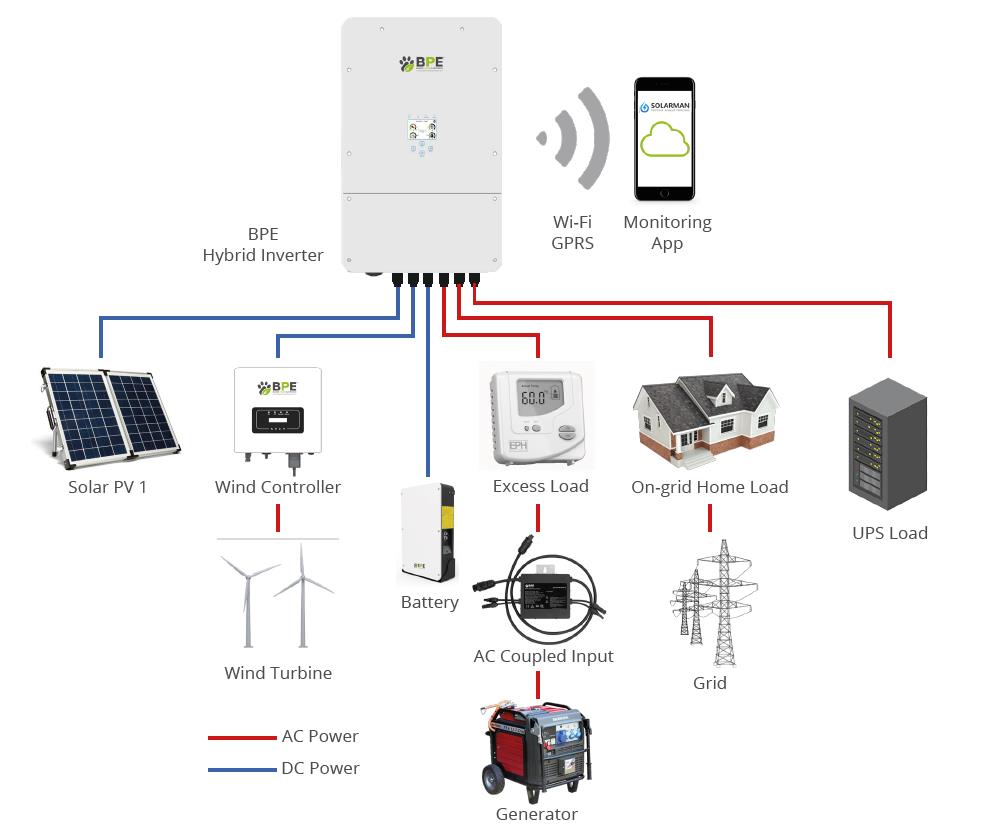
The greatest advantage of hybrid inverters lies in the diversity of energy utilization. They can integrate multiple energy sources such as solar energy, batteries, utility power, and generators. With a built-in MPPT controller, they can intelligently optimize the energy configuration, effectively reducing the dependence on the traditional power grid. In terms of efficiency, hybrid inverters can usually reach 90% - 98%, while the efficiency of ordinary inverters is mostly in the range of 80% - 90%. The high efficiency of hybrid inverters is obvious.
Battery energy storage is another major difference between the two. Hybrid inverters are equipped with a multi-functional battery energy storage system, which can store surplus electricity from solar power generation and grid power for use at night or during power outages. Moreover, hybrid inverters integrated with an MPPT controller support different operating modes with or without a battery, providing users with flexible battery configuration solutions and helping to control costs. Ordinary inverters not only require an additional battery energy storage system but also have shortcomings in battery charging efficiency.
- Intelligent Monitoring Function
Modern hybrid inverters generally have a remote monitoring function, allowing users to grasp the energy production and usage in real-time through mobile phones or other terminals. This function is convenient for timely discovery of system problems and optimization of energy efficiency. In contrast, ordinary inverters usually do not have a remote monitoring capability and are somewhat insufficient in intelligent management.
III. Extended Analysis: Comparison and Analysis of Various Solar Inverters
Solar inverters include types such as off-grid inverters, hybrid inverters, and grid-connected inverters, each suitable for different application scenarios.
3.1 Comprehensive Comparison of Grid-connected, Off-grid, and Hybrid Solar Inverters
- Grid Connection:Grid-connected inverters work in coordination with the public power grid and feed surplus electricity back to the grid; off-grid inverters operate independently and do not rely on the grid; hybrid solar inverters have both grid-connected and off-grid modes. When there is sufficient solar energy, they operate in grid-connected mode and automatically switch to off-grid mode during power outages to provide backup power.
- Backup Power: Grid-connected inverters stop working during power outages and cannot provide backup power; off-grid inverters rely on batteries to ensure continuous power supply; hybrid solar inverters can be configured with batteries as needed to flexibly meet backup power requirements.
- Cost: Grid-connected inverters have the lowest cost, off-grid inverters are the most expensive due to their complex systems, and the cost of hybrid solar inverters is between the two. However, their high flexibility and reliability also bring higher cost-effectiveness.
- Installation Difficulty: Grid-connected inverters are the easiest to install, off-grid inverters are complex to install due to their many components, and although hybrid solar inverters require professional installation, the installation difficulty is lower than that of off-grid systems.
3.2 Special Comparison between Off-grid Inverters and Hybrid Inverters
- Off-grid Inverters: They are suitable for remote areas without grid coverage. By connecting to a battery pack, they store surplus electricity during the day to achieve self-sufficient power supply. In the long run, they can save grid usage costs.
- Hybrid Inverters: In hybrid solar power systems, they coordinate the current between solar panels, battery packs, and the grid. They can both sell surplus power to the grid and store electricity for backup; the built-in MPPT or PWM controller integrates multiple functions, simplifies the system setup, and also supports remote monitoring; moreover, compared with off-grid systems, hybrid systems require a smaller battery pack, which is more cost-effective.
3.3 Detailed Comparison between Hybrid Inverters and Grid-connected Inverters
- Grid Connection Method: Grid-connected inverters are directly connected to the grid and feed surplus solar power to the grid without the need for battery energy storage; hybrid inverters work in coordination with the grid and battery backup systems. They store surplus electricity generated by solar panels in batteries for use during power outages. Hybrid inverters automatically switch between obtaining power from the grid and using the power stored in batteries to ensure uninterrupted operation. However, they cannot feed power back to the grid.
- Cost Consideration: Hybrid inverters have a higher upfront cost due to the battery backup function. However, they can be more cost-effective over time by minimizing the impact of power outages and reducing electricity bills. Grid-connected inverters have a lower initial cost but lack energy storage capabilities.
- Operating Time Difference: Grid-connected inverters only generate electricity during the day when there is sufficient sunlight; hybrid inverters can operate around the clock, providing a stable power supply both during the day and at night.
3.4 Similarities and Differences between Off-grid Inverters and Grid-connected Inverters
- Similarities: Both can convert DC power into AC power to ensure stable power output; both have protection functions such as overload protection and short-circuit protection; both can work with battery energy storage systems to achieve energy management; both can be integrated with intelligent systems and support remote monitoring through mobile devices.
- Differences: Off-grid inverters operate independently and rely on built-in charge controllers to manage batteries; grid-connected inverters are connected to the grid and feed surplus electricity to the public grid to obtain benefits.
In addition to theoretical analysis, practical application cases can more intuitively demonstrate the value of different inverters.
- Solar Power Generation Project of a Small Factory in Thailand: For a small factory in an industrial cluster area of Thailand, due to the old power supply system's inability to meet the growing electricity demand, production often comes to a halt due to unstable power supply. Hinton Power recommended a 50-kilowatt off-grid solar power generation system for it. The core device is the HDSX - 50kW three-phase solar inverter of Hinton. This inverter has the functions of three-in and three-out and UPS power supply, and can adapt to the configuration of various battery types. After the installation of the system in the factory, the production efficiency has been significantly improved, the number of production halts has been sharply reduced, the order delivery punctuality rate has been increased, and the production cost has been significantly reduced.
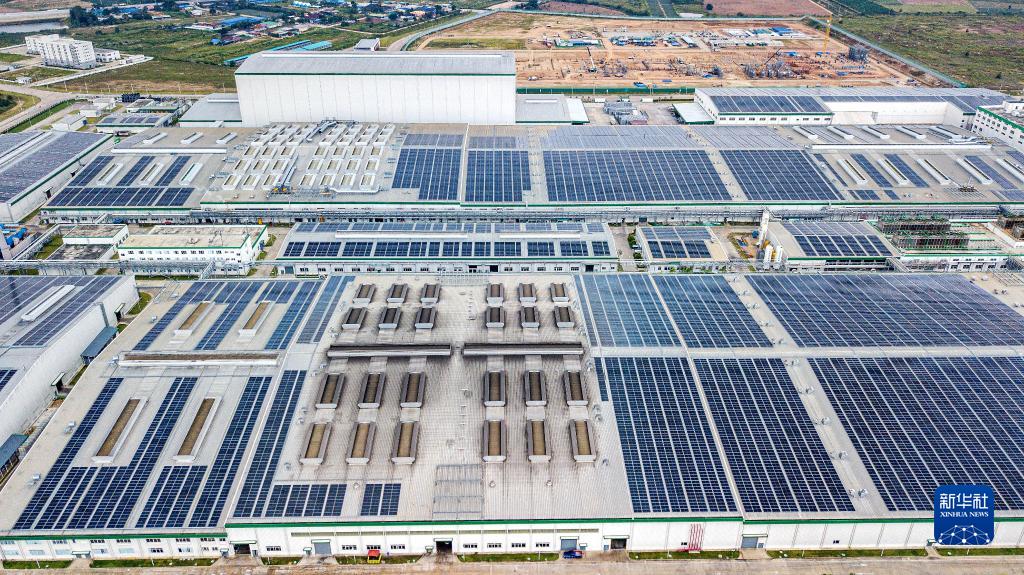
- Empirical Comparison Test of Photovoltaic Inverters in a Factory in Jiaozhou, Qingdao: In order to compare the performance of photovoltaic inverters of different brands, an empirical test was carried out on the roof of a factory in Jiaozhou, Qingdao. The 110kW photovoltaic inverter for industry and commerce of Sige New Energy and a 110kW photovoltaic inverter of a leading brand in the industry were selected for testing under the same external conditions such as illumination, temperature, components, and inclination. The Sige inverter has a lower starting voltage of 180V and an ultra-wide MPPT voltage range of 160 - 1000V, is equipped with a self-developed AI intelligent MPPT algorithm, and all products use high-efficiency silicon carbide (SiC) devices. The test results show that the average power generation of the Sige inverter has been significantly improved, achieving an average power generation gain of 0.41%, with the highest single-day increase reaching 2.12%, and the equipment has operated stably throughout the process without abnormal fluctuations or performance degradation.
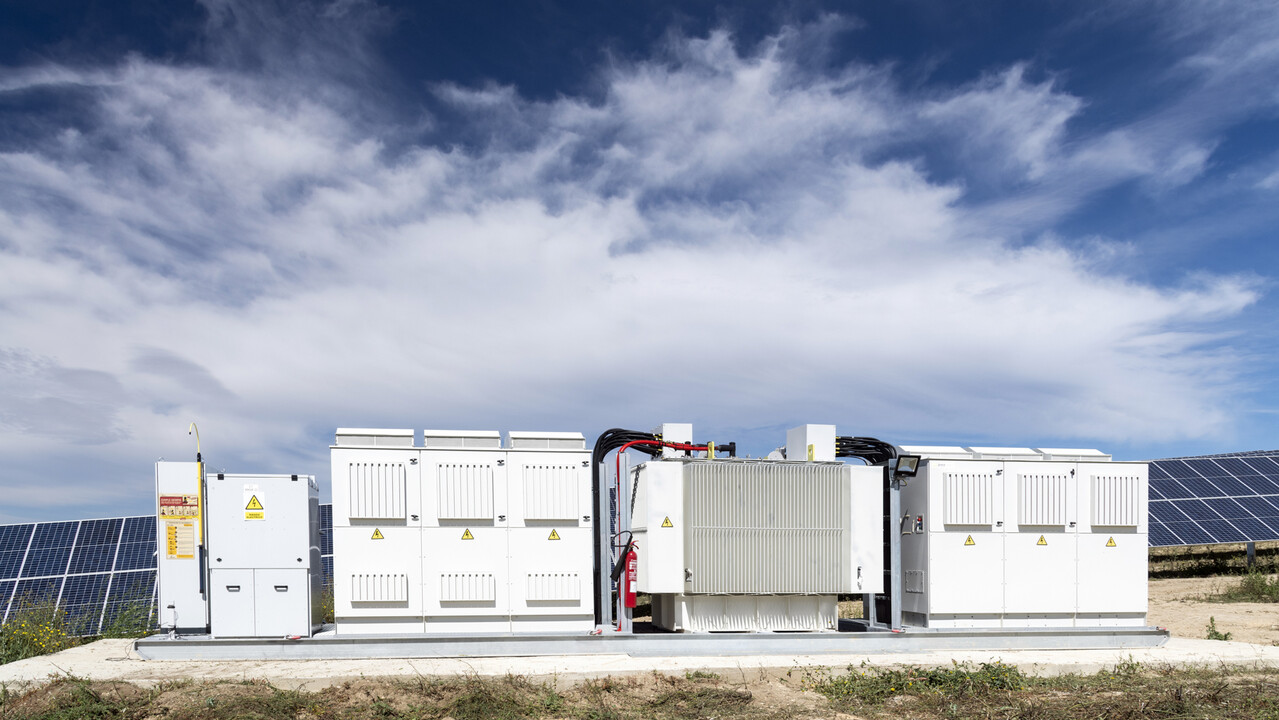
Through a comprehensive comparison of different types of inverters and practical case analysis, it can be found that hybrid inverters show stronger applicability in most scenarios with their advantages such as energy flexibility, efficient energy storage, and intelligent monitoring; ordinary inverters are suitable for scenarios with relatively simple functional requirements. When making an actual selection, users should comprehensively evaluate and choose the most suitable inverter product according to their own power consumption needs, usage scenarios, and budget.






 Network Supported