How to Size a Solar System: Step-by-Step
Mar 13, 2026
Embrace a future of smart living, starting with a high efficiency solar system. The latest photovoltaic technology not only makes energy harvesting incredibly simple and convenient but also, with its exceptional reliability and self cleaning, low maintenance design, empowers homes to effortlessly achieve energy independence and step into a green, low carbon modern lifestyle.
Getting the most from your grid tie system doesn't have to be complicated. It starts with getting the size right: a perfect match for your energy habits, not an oversized expense. Follow our straightforward guide to estimate your needs, calculate your usage, and choose the perfect panels—ensuring you harness every ray of sunshine efficiently.
Getting Started with Solar System Sizing
Before diving into the technical details of sizing your solar system, you must first establish your project's primary driver. This fundamental choice will shape every decision that follows. Typically, homeowners start with one of three core priorities:
adhering to a strict financial budget.
maximizing output within limited roof space.
achieving a specific reduction in their electricity bills.
Getting the size right for your solar system isn't just about running basic numbers. A handful of real world factors will ultimately determine whether your installation performs as expected or falls short. The amount of sun your location actually gets throughout the year matters a lot. So does the angle and direction your panels will face. Maybe you're thinking of adding more panels a few years down the line. That's worth building into your plan now. Different panels also come with different efficiency ratings, which directly impact how much power you can pull from limited roof space. And here's something people often overlook: all panels slowly lose a bit of their output over time, right from day one. That gradual decline is baked into the warranty, so you'll want to account for it upfront.
Once you've worked through your energy needs and settled on your main priority, whether that's sticking to a budget, making the most of limited space, or hitting a specific energy savings target, you're ready to get into the nitty gritty of system design. The steps below will walk you through sizing a grid tied solar array that fits your situation.
Estimating of Your Energy Usage
Before you begin to size a solar system, follow these steps to determine your home’s average electricity consumption and PV needs:
1. Calculate Your kWh Usage
Start by looking at your electric bill. Find the kilowatt-hours, or kWh, usage. You need a full 12 months of bills. This lets you see how your usage changes throughout the year. Usage often goes up in summer and winter. That's when you run your A/C and heating more.
Next, calculate your average monthly usage. Add up all 12 months of kWh usage. Then divide that total by 12. This gives you your average monthly consumption. Keep in mind that a grid-tied system usually produces more power in summer. That's when sun exposure is at its peak.
Then figure out your daily usage. Take your average monthly kWh and divide it by 30. That number is your average daily kWh usage.
For a more accurate picture, check our home appliances power consumption table. It shows how many kWh common appliances use per month.
Also, look into your utility company's net metering policy. Some companies let you bank the extra energy your system produces. They give you credits you can use later. But not all utilities offer this. You'll need to check with your local provider.
2. Look Up Your Peak Sun Hours
Average peak sun hours depend on where you live. Your local climate also plays a role. You need to know your peak sunlight hours. This helps you get the most from your solar system.
Start by looking up your peak sun hours. Use a sun hours chart to find this information. The chart shows how many hours per day the sun produces peak sunlight.
Find the city closest to you on the chart. Then write down its daily average of peak sun hours.
3. Calculate the Size of Your Solar System
Now you're ready to size your solar system. Start with your daily kWh energy requirement. Divide that number by your peak sun hours. This gives you the kW output you need from your system.
Then look at your solar panels. Each panel has an efficiency rating. Divide your kW output by that efficiency number. The result is the estimated number of panels you'll need.
(Daily kWh ÷ average sun hours) x 1.15 efficiency factor = DC solar system size
Let's look at an example. Imagine you live in New Mexico. You get about six peak sunlight hours each day. Here's how the math works:
Start with your daily energy use. Let's say you use 33 kWh per day. Divide that by 6.1 sun hours. Then multiply by 1.15 for the efficiency factor. The result is 6.2 kW. That's the size of the DC system you need.
Now you can figure out how many watts of solar panels that means. Take your 6.2 kW system size. Multiply it by 1,000 to convert to watts. You get 6,200 watts. That's the total solar panel wattage required.
Fine Tuning the Estimated System Design
To get the most accurate sizing estimate, a few more things matter. Think about what type of roof mount you need. Consider which direction your panels will face. Also pick panels that are the right size for your design. All these factors affect how your system performs.
1. Select Your Mount Type
A roof mount is the easiest and most affordable option. It costs less than other types of mounting systems. But not every roof can use one. Here's how to check if a roof mount works for your home.
Start by opening Google Maps. Type in your address. Look at your roof. Check if you have a south facing side that can hold solar panels. South is the best direction in the Northern Hemisphere. If you live in the Southern Hemisphere, look for north facing options instead. That's because panels should point toward the equator.
If your roof doesn't face the right direction, don't worry. You can still go solar. You'll just need to add more panels to make up for it. The good thing about a roof mount is that your roof slope is often already set up for sun exposure. Also, the panels sit close to your inverter and electrical panel. This means less wiring and better efficiency.
But maybe a roof mount won't work for you. That's okay. You have other options. Look into a ground mount or a pole mount. With these, you put panels on flat ground. You can face them in any direction you want. This gives you more control over sun exposure compared to a slanted roof.
2. Choose the Right Solar Panels
Sometimes your roof is small. Or maybe it has an odd shape. When that happens, panel size really matters. You need to think carefully about what fits.
Here's what to consider.
If you have plenty of open roof space, you have options. You can buy larger panels. They usually cost less per panel. You just need enough of them to meet your energy goals.
But maybe your roof space is tight. Or parts of it are shaded. In that case, go with smaller panels. But make sure they are high efficiency. This costs more upfront but works better in the long run. You get more power from less space. And you can always add more panels later if your energy needs grow.
3. Calculate Solar System Output
Now you have all the key information. You know how much roof space you have. You know the angles and direction of your panels. The next step is simple. Use a PV watts calculator. It will show you how much power your system will produce each month.
1.Enter the address and hit the orange arrow to the right.
2.Once you are on the System Info page, enter the DC system size from the previous section.
3.Choose a standard module.
4.For array type, select “fixed” for roof mounts, or “open” for ground mounts.
5.Leave the system losses at around 15%.
6.Enter the slope of your roof in degrees, and the azimuth. Azimuth is the degrees relating to north and south, with north being zero and south being 180. (Click here to learn how to fine-tune your angle and azimuth values.)
Click the arrow on the right. Your monthly system output will appear. Now you have two important numbers. You know what size system you need. You also know how much power it will produce. Look back at your available roof space. Compare everything. This helps you fine tune your assessment and get the sizing just right.
Choosing Grid Tie Solar Equipment
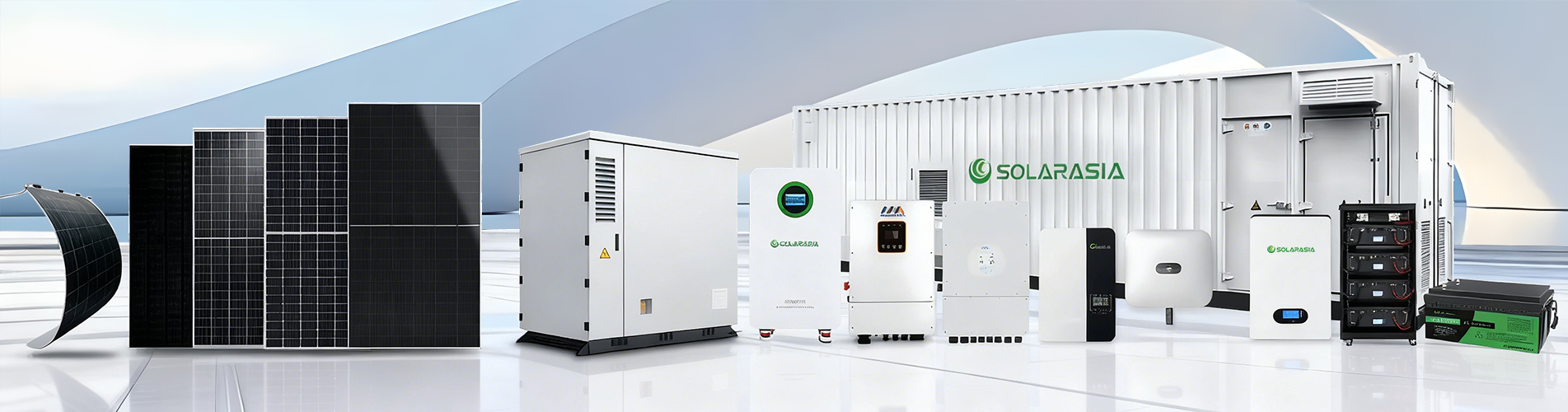
Need help picking your grid tie system? Check out our grid tied solar packages. They make the process fast and easy. Once you've sized your system, take a look. You'll find several good options to choose from.
Here's something worth noting. The imported panels cost less. That means you get more for your money. For the same price, you get about 10% more power production.
If you have trouble deciding which products to choose, you can also refer to the related products below:
Best solar panels
Best grid tied solar inverters
Get a thorough evaluation of your solar needs fast by calling us at 17730022793 to speak with one of our designers. We can help you design the perfect grid tied system to meet your requirements, or you can click the image below to leave a message and contact us directly!






 Network Supported